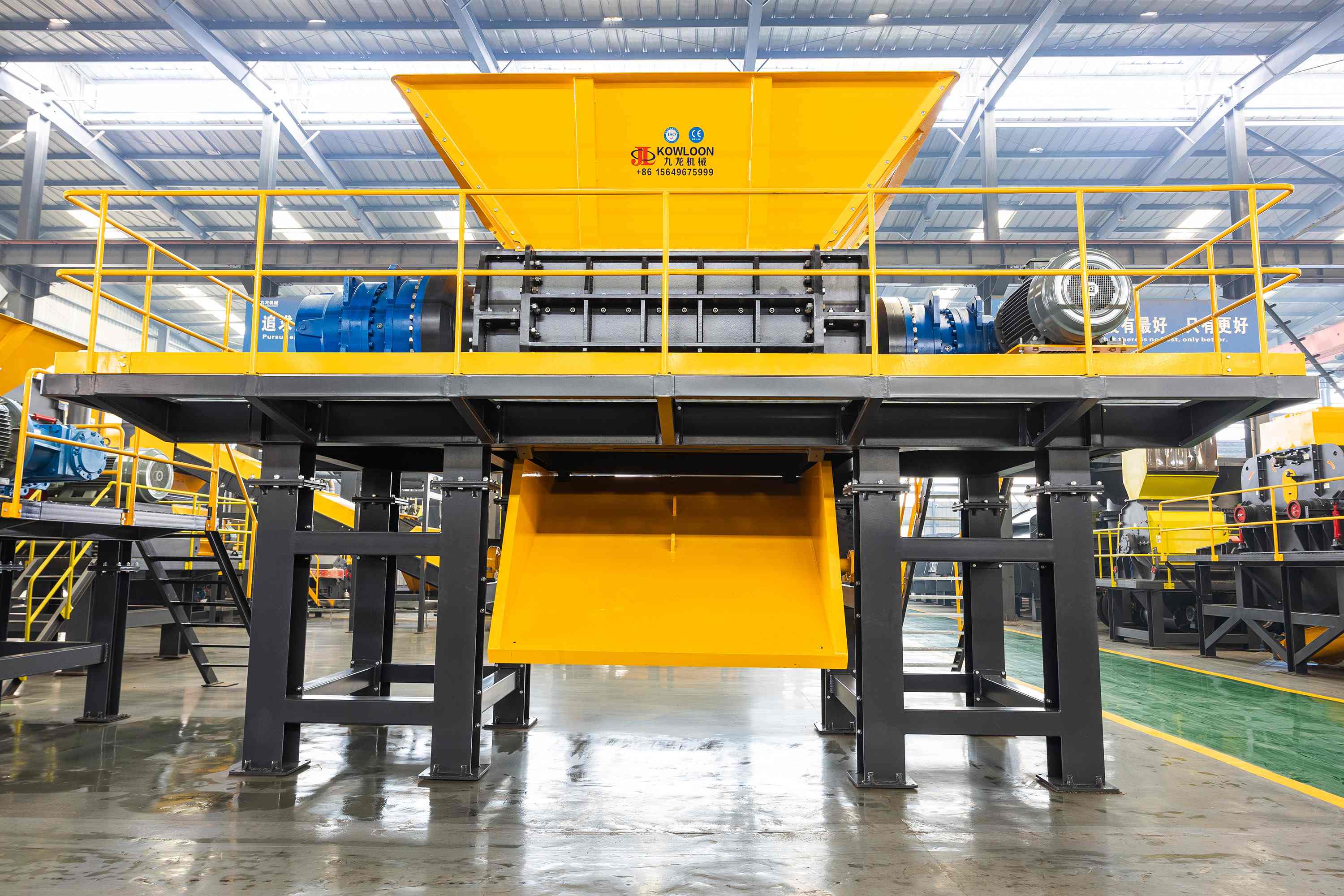

Waste Shredder Supplier Questions to Ask Before You Commit
2026-11-17
Choosing a waste shredder supplier isn’t just about horsepower and price—it’s about avoiding expensive downtime, hidden service gaps, and equipment that can’t handle your material stream. Before you sign a purchase order, the right questions can save you from a costly mismatch. In this guide, we’ll walk through the supplier vetting points that matter most, including what to look for from experienced manufacturers like Kowloon Machinery.
Will It Keep Up With the Awkward Materials You Actually Throw at It?
A pile of mail rarely arrives clean. Window envelopes with plastic film, staples buried in the corner of a memo, the occasional credit card that should have been destroyed years ago—most of us aren’t sorting any of that out before it goes in. This shredder doesn’t make you sit there with a staple remover; it takes the mixed stack and keeps pulling sheets through without hesitating.
The real test is what happens after the first few passes. Adhesive residue and plastic bits collect on the cutters, and that’s when plenty of machines start to whine or slow down. This one keeps its grip steady, so a laminated tag or a folded cardboard mailer doesn’t turn into a half-shredded clog you have to dig out by hand.
You shouldn’t have to baby a machine just because the material is a little awkward. The way it handles those odd, mixed items says more about how it’ll hold up than any sheet-count rating ever will.
How Do Blades Hold Up When the Feed Is Far From Clean?
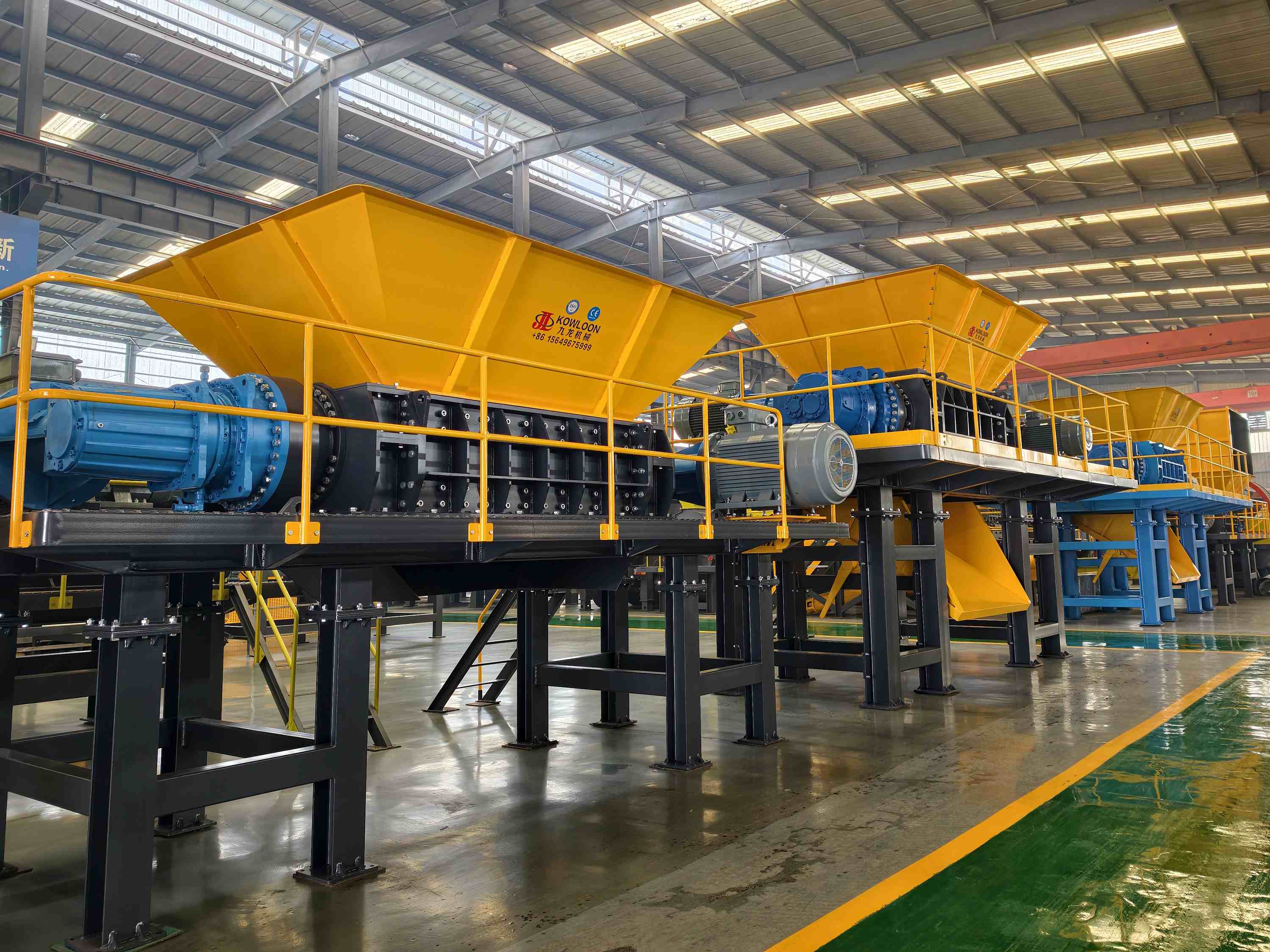
Anyone who has ever tossed a load of scrap wood, mixed plastics, or metal-tinged waste into a grinder knows the uneasy sound that follows. Blades rarely fail from doing honest work on clean material. They fail because the feed is full of surprises—nails hidden in pallets, stones caught in root balls, or a stray piece of angle iron mixed into demolition debris. In those conditions, the cutting edge no longer slices through uniform stock. It slams, deflects, and sometimes stalls against objects that were never meant to be processed. What looks like premature wear is often the blade absorbing impact energy that the machine was not designed to handle, and the result can range from micro-chipping along the edge to a full fracture that sends fragments through the housing.
The real test is not just hardness, but how the steel reacts when it meets an unexpected inclusion. A very hard tool may resist abrasive wear beautifully on clean wood or plastic, yet it can be brittle enough to lose a corner when it hits a buried bolt. Tougher alloys tend to roll or deform slightly instead of snapping, but they may dull faster in normal service. That trade-off explains why operators in dirty feed streams often choose blades with a slightly lower Rockwell rating but higher impact toughness, and why some replaceable-tip designs have become popular. If a tip gets destroyed by a hidden chunk of concrete, only the tip is discarded. The blade body stays straight, the cost is lower, and the machine returns to work without a full re-tooling.
There is also the quieter, insidious damage that happens over time. Fine grit, sand, and metal dust in the feed act like a slow lapping compound. They round off the cutting edge so gradually that throughput drops before anyone notices a visible defect. In these conditions, blade life is less about dramatic failures and more about the cumulative loss of clearance and sharpness. Regular inspection becomes the difference between a planned edge change and an emergency shutdown. Feeding a machine far from clean material does not have to mean accepting constant blade failures, but it does demand a different way of thinking—one that respects both the impact shock and the abrasive slurry that come with real-world waste streams.
Who Answers When the Rotor Jams After Hours?
A rotor that refuses to move at 2 a.m. doesn’t care about your scheduled maintenance window. The first person you actually reach is rarely a receptionist. More often it’s a rotating on-call technician or a regional dispatcher who can pull up the equipment history, listen to the bearing noise over a video call, and decide within minutes whether the machine can be locked out for the night or needs a truck roll before sunrise.
In many contracts, that after-hours answer depends on something decided months earlier: the escalation path. If the emergency line leads only to a pager that nobody carries, the response time on paper means nothing. Ask for a named contact, a backup number, and a clear handoff between shifts. The goal isn’t just someone picking up the phone; it’s reaching a person who can authorize a repair, locate the spare rotor assembly, and send a crew that already knows the site layout.
Are Critical Spare Parts Close By or Stuck in Another Time Zone?
When a production line halts, the distance between you and the right spare part isn't measured in miles alone. It's measured in response emails that arrive after your shift has ended, in warehouse handoffs that wait for someone else's morning, and in the quiet hours when a machine sits idle because a small component is sitting on a shelf eight time zones away. The real question isn't whether the part exists somewhere in your supply network. It's whether that part can reach your floor before the cost of downtime quietly overtakes the cost of the repair.
Many maintenance teams discover the hard way that inventory visibility doesn't equal inventory access. A regional hub might show three units in stock, but if the only person authorized to release them works a schedule that doesn't overlap with your emergency, those three units might as well be in another hemisphere. The gap between "available" and "reachable" gets filled with phone tag, approval chains, and the kind of waiting that no CMMS dashboard ever captures. Over time, teams learn to map not just what they hold, but who holds it, when they sleep, and how to get a yes at 2 a.m. without burning a relationship.
There's a quieter skill underneath all of this: designing for the inevitable moment when the nearest part is not near at all. That means staging critical items with local courier partnerships instead of centralized distribution. It means documenting alternate part numbers that a night-shift technician can actually source from a nearby distributor. And it means accepting that some downtime cannot be prevented by geography, only shortened by people who already know what to do when the map says the part is close but the clock says otherwise.
What Does Ownership Really Cost After the Quote Is Forgotten?
The invoice price fades from memory within a few weeks, but the real ledger keeps running. Fuel, insurance, routine servicing, and the occasional unexpected repair quietly add up to more than most buyers ever penciled into their initial budget. A machine that looked affordable on the dealer's lot starts to reveal its true temperament only after a few thousand miles, or a few dozen operating hours.
Depreciation is the silent line item nobody likes to discuss. Two identical models can wear very differently depending on usage, storage, and maintenance history. By the time the first major component needs replacement, the gap between a well-kept asset and a neglected one shows up in resale value and downtime, not in the original purchase agreement.
Smart owners stop asking what a unit costs to buy and start asking what it costs to run, park, insure, and eventually sell. The quote may be forgotten, but the monthly outflows never are.
Can You See a Running Shredder Handling Material Like Yours?
A spec sheet can tell you the rotor diameter and horsepower, but it won't show how your specific scrap behaves when it hits the cutting chamber. Watching a shredder run with material that closely matches yours gives you a real sense of feed rate, particle size, and whether the machine struggles or stays steady. Without that, you're buying on assumptions.
Ask for a recorded run or a live demonstration using your actual material, not a generic stand-in. Notice how the shredder pulls in uneven pieces, whether the operator has to intervene, and what the discharge pile looks like. Those details rarely show up in marketing shots and matter more than peak output numbers.
If a manufacturer can't show you a comparable material running through the exact model you're considering, treat that as a signal. A short video of the machine handling your type of waste gives you a practical baseline for what will show up at your facility, not what works under ideal conditions.
FAQ
Any supplier that hesitates on this should make you pause. A test with your exact waste stream, not their demo samples, shows how the machine handles moisture, contamination, and unexpected objects.
Ask for a line-by-line breakdown. Some quotes leave out conveyors, control panels, wear parts, or installation support, and those extras can add up faster than you would expect.
If they give you one generic number, dig deeper. Blade life depends on material type, feed rate, and abrasive content. A supplier who asks about your waste composition is usually more trustworthy than one who promises a universal figure.
Downtime is expensive. Find out if parts are local or need to be shipped from overseas, what the typical lead time is, and whether they offer emergency air freight options.
Clarify whether the price includes on-site commissioning and hands-on training for your crew. A machine is only as good as the people running it, and a rushed handover leads to avoidable mistakes.
Instead of just reading case studies, ask to speak with a reference. Listen for specifics about breakdowns, support response, and whether the machine met throughput expectations after six months.
Ask about daily, weekly, and monthly tasks, plus typical wear items and their replacement intervals. You want to know if the machine needs an in-house technician or if a general maintenance team can handle it.
Get clear terms in writing, including what is covered, for how long, and what actions or materials could void it. Vague warranty language often becomes a problem when you need it most.
Conclusion
Before you commit to a waste shredder supplier, drag the conversation past brochure specs and ask what happens when the machine meets the awkward, dirty waste stream you actually handle. Wet films, bundled textiles, metal strapping, and lumpy purges behave nothing like clean sample plastic. If the supplier cannot explain how the rotor geometry, hook angles, and feed ram cope with those materials, walk away. Blade life is another early test. Dirty feed brings grit, tramp metals, and high-moisture scrap that eat knives and bearings. Ask for real wear data and rebuild intervals from sites running comparable loads, not just polished lab numbers. Also pin down who responds when the rotor jams after hours. A local service crew that can arrive the same night matters more than a global brand with a voicemail queue.
Then get blunt about spare parts and total ownership cost. If critical knives, screens, and seals sit in another time zone, a single failure can stretch into days of downtime. Ask which parts are stocked locally and how fast replacements clear customs. The quoted price is only the start; power draw, blade replacements, screen wear, and labor for clearing jams often shape long-term cost more than the initial figure. Finally, insist on seeing a running shredder handle material like yours, or better, send your own waste for a trial. A supplier that stalls on that test is telling you something. The answers you get before signing will feel less expensive than the surprises you would otherwise own for the next ten years.
Contact Us
Contact Person: Ray
Email: [email protected]
Tel/WhatsApp: +86 13733817580
Website: https://www.zzkowloon.com/