

Tissue Packaging Machine Company Checklist for Choosing the Right Supplier
2026-11-16
Finding a tissue packaging machine supplier can feel like guessing until something goes wrong on the line. This checklist cuts through the sales talk and focuses on what actually separates a dependable partner from an expensive mistake. Whether you are comparing frame materials, servo systems, or service response times, the details matter more than the brochure. DAXIN keeps coming up in these conversations for a reason, and the points below will help you judge that for yourself.
How the Sealing Jaws Hold Up on Thin Embossed Film
Thin embossed film brings a real challenge to sealing jaws because the raised pattern reduces the contact surface while also making heat transfer less predictable. Rather than pressing against a flat web, the jaw faces meet only the high points of the embossing, so the film can cool unevenly along the seal area. Over time, this uneven contact tends to create micro-leaks or weak spots that do not show up in a quick visual check but fail once the package is handled or shipped.
The jaws themselves usually hold up well if the pressure is kept moderate and the temperature is tuned to the film structure instead of relying on a generic setting. Harder jaw faces resist wear from the textured surface, but they also transmit heat faster, which can thin out the film around the raised dots. Softer faces conform a little more and give a more forgiving seal, though they may need replacement sooner. The real difference comes from watching how the embossed pattern flattens under heat; once that pattern starts to disappear only at the seal, the jaw alignment and dwell time need a slight correction.
In practice, many lines settle into a narrow operating window where the seal looks slightly glossy but still holds its texture at the edges. Occasional checks with a peel test or a light box reveal whether the jaws are still sealing through the valleys of the embossing rather than just bridging across the peaks. That kind of routine attention usually extends jaw life and keeps thin embossed film from becoming a frequent source of leakers.
Changeover Timings Measured With Your Own Roll Widths
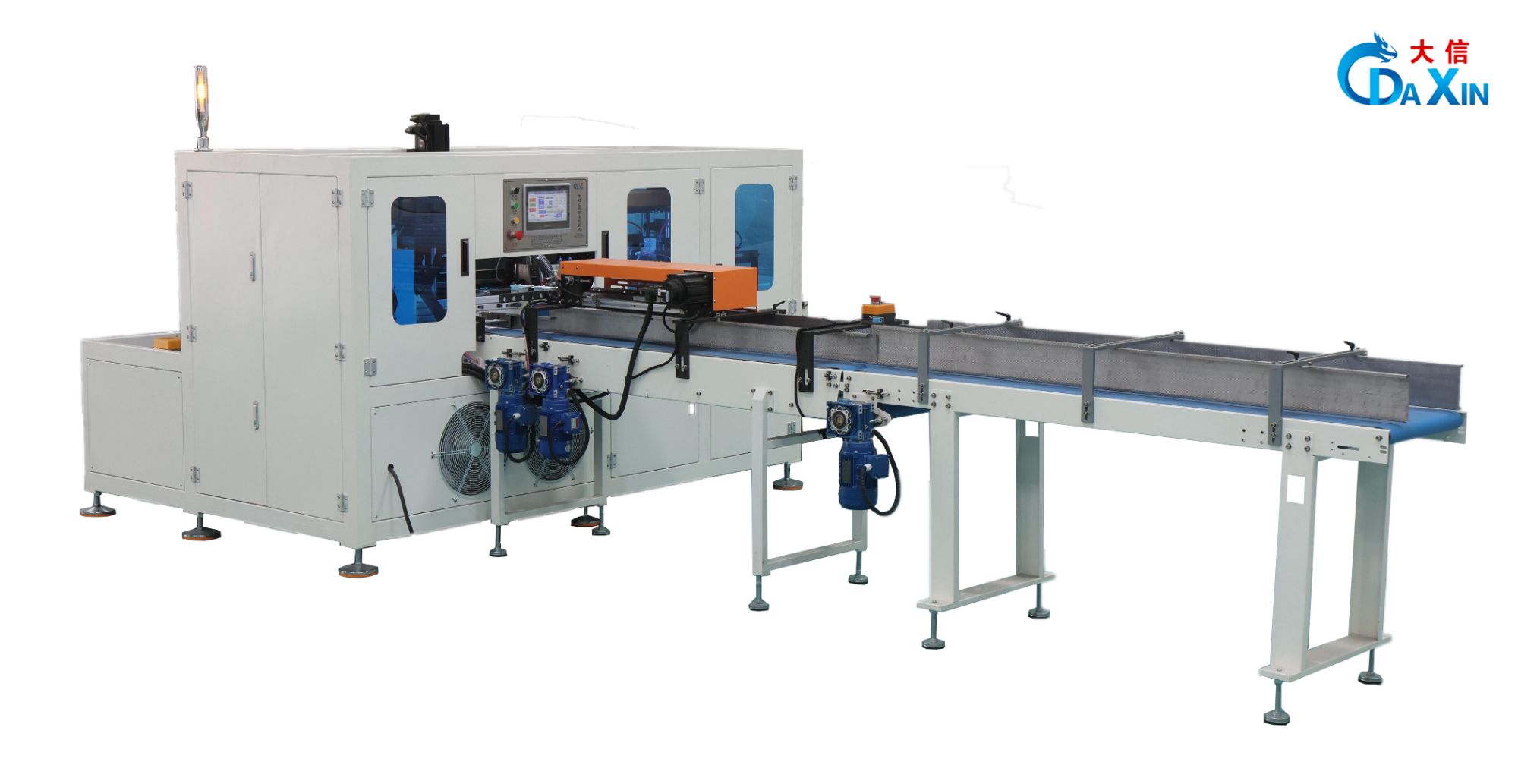
Nobody runs the exact same roll width forever, and changeover times add up faster than most teams admit. Instead of relying on generic benchmarks, record the actual minutes lost when you switch from one roll width to another on your own lines. Watch where the delay really happens: alignment, tension adjustments, or waiting for a forklift. These measurements often reveal a pattern that standard time studies miss.
Once you have a few changeovers logged, average the times by width difference rather than by product. A jump from 800 mm to 1200 mm may cost four extra minutes compared to a 50 mm step. Operators tend to remember the worst case, so having your own numbers keeps planning honest. Share a simple one-page log near the line and let crews note the start and end of each change—no stopwatch required.
Use those timings to sequence production. Group similar roll widths back to back when possible, or adjust your cleaning schedule to fall naturally between the biggest switches. Small changes in how you order jobs can save an hour per shift without buying anything new. That is the point: measure what actually happens, then let the schedule work with the reality of your equipment.
Spare Parts Coverage Beyond the First Year
Once your initial warranty lapses, genuine spare parts remain readily available through our dedicated support network. We maintain a deep inventory of components for extended coverage, so unexpected repairs never leave you waiting. This approach helps protect your investment and keeps equipment running at its intended performance level.
Our spare parts program covers a wide range of wear items, electronic modules, and mechanical assemblies beyond the first year. Each part is manufactured to the same specifications as the originals, ensuring a precise fit and reliable operation. Because we monitor demand patterns, commonly needed items are typically in stock and can be dispatched without lengthy delays.
For added peace of mind, we offer flexible restocking options and technical guidance when replacing components. Whether you manage a single unit or a whole fleet, the availability of authentic parts well past the first year reduces downtime and helps maintain consistent output. You can order directly through your account, and our team will verify compatibility before shipment.
What Reference Plants Say About Unplanned Downtime
Reference plants rarely broadcast their downtime stories in polished case studies, but if you walk through enough control rooms and maintenance shops, a pattern starts to emerge. The plants with the strongest uptime records don't treat unplanned outages as isolated equipment failures. They treat them as gaps in how people, data, and schedules interact. A pump that seizes on a Tuesday morning often traces back to a vibration trend someone dismissed three weeks earlier, or a lubrication route that quietly fell behind after a shift change.
What makes these facilities different isn't a bigger maintenance budget or a fancier CMMS. It's that they use past failures as an honest mirror. Instead of asking "which part broke," they ask "what allowed this part to break without warning." That shift in questioning changes everything: operators log small anomalies instead of ignoring them, planners stop overloading shutdown weekends, and managers stop rewarding heroic repair work over boring prevention. Over time, unplanned downtime stops being a surprise and starts being a signal that someone ignored.
The lesson from reference plants is uncomfortable for teams seeking a quick fix. There is no single sensor, software module, or training seminar that removes unplanned downtime. There is only the slow, unglamorous work of closing the loop between what the equipment is telling you and what the organization actually does with that information. Plants that accept this truth run quieter, stop less, and spend fewer nights wondering what will fail next.
Hidden Charges Inside the Service Contract
Service contracts rarely show their true cost on the first page. The monthly rate or annual fee is only the surface, and beneath it sit add-ons that quietly inflate the total. Some providers fold administrative charges into line items like setup fees, priority response, or routine maintenance visits that were described as complimentary during the sales call. If you compare only the headline price, you may end up paying more for less actual coverage.
One of the most common hidden costs appears in the fine print around parts and labor. A contract may promise full support, but then exclude specific components, charge extra for after-hours calls, or bill travel time separately. In other cases, the provider caps the number of service requests per term, so anything beyond that becomes an unplanned invoice. These clauses are easy to miss when the language is deliberately vague and spread across multiple pages.
Before signing, ask for a line-by-line breakdown of what the contract covers and what it treats as an exception. Push for written confirmation of any promise made verbally. A reputable provider will have no problem listing every possible charge in plain terms, while a vague answer often signals costs waiting to surface later.
Field Support When a Line Stops Mid-Shift
A mid-shift line stoppage rarely comes with much warning. The first priority on the floor is to confirm the exact nature of the stop; field support steps in to separate mechanical faults from material flow issues or operator-side triggers before anyone starts swapping parts. That quick read keeps the response focused instead of turning into a broad, time-consuming reset.
Once the likely cause is narrowed down, support works alongside the shift lead to clear the immediate blockage or fault, then checks upstream and downstream stations for knock-on effects. Small adjustments at the point of stoppage often prevent the same line from tripping again ten minutes later, especially when sensors, guides, or feed timing have drifted out of sync.
After running a short test cycle, field support logs what was found and what was changed, then stays close enough to catch any repeat signal during the next few cycles. The goal is not just restart speed but a clean restart, leaving the crew with a clear note on what to watch if the line hesitates again.
FAQ
Look for installations in factories that run similar pack sizes and film materials. Ask for line speeds, downtime logs, and the names of maintenance staff at those sites. A supplier that hesitates to share operator-level contacts usually has something to hide.
Ask how their machines handle film tension with lightweight tissue stacks, how they prevent edge damage during folding, and what changeover procedure looks like for different pack counts. The depth of their answers tells you more than a glossy brochure.
It should be one of the biggest factors. Confirm response time guarantees in writing, whether remote diagnostics are included, where spare parts are stocked, and who pays for technician travel after the warranty period. Cheap machines become expensive quickly when support is weak.
Ask to see the machine run your actual film and your actual tissue stack, not a pre-optimized sample. Check weld consistency, count rejects over a full hour, and talk to the operator away from the sales team. That is where the real performance shows.
Some suppliers build to order with imported components; others keep standard modules in stock. A shorter lead time can be useful, but only if it does not mean rushed assembly or skipped testing. Always ask what exactly is included in the quoted delivery window.
Request a detailed cost breakdown: crating, freight, installation, training, first-year spares, and software licenses. Also ask about charges for design changes after approval and whether the quoted output rate assumes ideal film and labor conditions.
It depends on your support needs and part logistics. A local supplier may offer faster visits and easier communication, but an overseas manufacturer with a strong regional partner can provide better technology. Judge the local service network more than the headquarters location.
Conclusion
A supplier visit tells you far less than a few targeted questions about the sealing jaws. Thin embossed film punishes weak jaw alignment quickly, so ask how the machine handles that exact material rather than accepting a demo on smooth, forgiving stock. Bring your own roll widths for changeover tests too; if the crew cannot switch sizes in the time they claim while you watch, the published figure means nothing. Beyond the first year, spare parts pricing and availability often shift, so pin down what stays covered and what becomes a recurring cost before you sign.
Reference plants are where the checklist gets real. Ask specifically about unplanned downtime, not just output speed. A line that stops mid-shift needs field support that can respond without dragging through layers of escalation, so test their emergency response promise against what current customers actually experienced. Read the service contract for hidden charges around travel, software updates, or after-hours calls. These details rarely appear in a brochure, but they decide whether a tissue packaging machine stays productive or becomes an expensive bottleneck.
Contact Us
Contact Person: Sam Xie
Email: [email protected]
Tel/WhatsApp: 86-18938538530
Website: https://www.daxin321.com/