

Slate Flexible Stone Veneer: Partnering with a Powerful Manufacturer for Superior Results
2026-09-11
Real slate brings undeniable character, but its weight and fragility often slow projects down. That’s where slate flexible stone veneer changes the conversation—especially when it comes from a manufacturer that refuses to cut corners. Magic Stone has built its reputation on exactly this: pairing authentic textures with the practical performance installers actually need. In this post, we’ll look at what separates a truly powerful manufacturing partner from the rest, and why that difference shows up in every finished wall.
Why Flexible Slate Veneer Beats Traditional Stone on Weight and Handling
Anyone who has moved full-thickness stone slabs knows the strain: bulging forearms, a friend with a bad back, and a prayer that the substrate won't crack under the load. Flexible slate veneer flips that equation. A single panel typically weighs under 2 kilograms per square meter, compared with 30 to 60 kilograms for quarried stone. That means one installer can carry a dozen panels up a ladder without assistance, and the structural demands on the wall drop dramatically. No extra framing, no reinforced backing, no heavy lifting equipment. The savings show up not just in labor hours but in the freedom to use it on curved surfaces, ceiling drops, and modular furniture where traditional stone would simply be impractical.
The handling advantage goes beyond mere weight. Traditional stone tends to be brittle and unforgiving—one wrong tilt and a corner snaps off, a slab cracks along a hidden vein, or the cut edge needs specialized tools. Flexible slate veneer rides a different wave: it bends, rolls, and yields to pressure without fracturing. Because the natural stone is peeled into thin layers and bonded to a polymer backing, it can be scored with a utility knife, wrapped around columns, and even folded over outside corners. Installers don't need wet saws or diamond blades; a pair of tin snips or heavy scissors handles most cuts. That reduces setup time, mess, and the skill barrier that often pushes stone projects toward expensive specialists.
What often gets overlooked is how this lightweight, forgiving product reshapes design decisions. With traditional stone, an accent wall might be abandoned because the floor can't take the point load, or a kitchen backsplash gets skipped because the cabinet depth can't accommodate a thick veneer. Flexible slate removes those constraints. It can go over drywall, plywood, cement board, even painted surfaces with the right adhesive—no masonry expertise required. For renovation work, that's a quiet revolution: you keep the existing wall, skip the demolition, and still get the tactile, irregular surface of real stone. The weight and handling advantages aren't just about convenience; they unlock applications that heavier materials price out of reach.
Inside a High-Output Factory: How Consistency Gets Built In
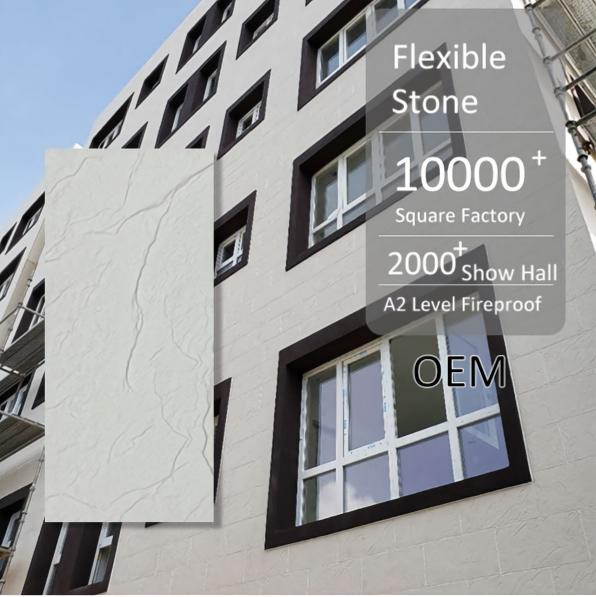
Walk the floor of a high-output factory and the first thing you notice isn't speed—it's rhythm. Every station has a measured cadence, every handoff a defined trigger. Operators don't chase the line; the line moves with them. This rhythm isn't accidental. It's engineered through standard work that gets refined weekly, not shelved in a binder.
Consistency here lives in the details most visitors miss. Torque settings are checked at shift change, not just during audits. Raw material batches are qualified before they reach the floor, not after a defect appears. When a deviation does occur, the response follows a practiced sequence: stop, contain, trace, correct. The goal isn't to blame a person but to change the condition that allowed the error.
What keeps this system alive is feedback from the people closest to the work. Line leads huddle for ten minutes at midday to review the last hundred units. A small adjustment—a fixture clamp moved two centimeters, a label rolled upside down—gets tested that same afternoon. Over time, these micro-corrections compound into a process that produces the same result on Tuesday as it does on Friday, regardless of who is running the machine.
Matching Slate Textures and Colors Across Multiple Batches
Slate rarely gives you the same face twice. Even two pallets from the same quarry can carry different undertones, cleft depths, and metallic flashes depending on which seam they came from. The trick across multiple batches is to stop chasing a single exact color and start shaping a repeatable range that still feels like one material.
Before you set anything in place, wet a few tiles from each batch and look at them under the same light you expect on the finished surface. Dry dust can hide green, plum, or rust notes that jump out later once the stone is cleaned or sealed. Move pieces around until the dominant background tone shifts gradually rather than in patches, and reserve the loudest veining for corners, closets, or areas where the eye naturally pauses less.
When a new delivery lands, bring a few pieces from the previous batch over and lay them side by side. If the difference leans warm or cool, weave the new material in from the center of the field rather than starting it at a doorway. Snap a quick photo of the dry layout in both morning and artificial light, then compare it to your earlier set before you commit. Small adjustments at this stage prevent an otherwise well-cut floor from reading as two separate quarries.
The Contractor's Playbook for Faster Installations Without Callbacks
Speed matters on the job site, but not when it costs you a second trip. The real trick isn't working faster with your hands—it's working smarter with your prep. Before you even load the van, walk the job mentally: confirm measurements, review the spec sheet, and check that every part, fastener, and fitting is in the box. A missing washer or a wrong-size anchor turns a two-hour job into a two-day headache. Ten minutes of staging at the shop saves an hour of scrambling on site.
Next, build your installation sequence around the finish, not the start. Many callbacks come from rushing the final adjustments—misaligned trim, a door that binds, a fixture that wobbles. So install in reverse: set your anchors and brackets first, then hang the main piece, and leave all leveling, shimming, and tightening for a dedicated pass. Use a small notebook or a voice note to flag anything that feels slightly off. If you catch a quarter-inch gap now, you won't hear about it later from an unhappy client.
Finally, make the last ten minutes non-negotiable. Walk the finished work with a flashlight and a rag. Run your hand along every edge, open and close every moving part, and test each connection under load. Wipe down surfaces, vacuum the dust, and snap three photos—close-up, mid-range, and full room. This doesn't just prevent callbacks; it builds a reputation for clean, finished work. Contractors who leave a site looking better than they found it don't get called back for fixes—they get called back for the next job.
Weatherproofing Details That Separate Durable Veneers from Disappointments
The first place veneers fail isn’t the face you see but the hidden gap behind it. A ventilated rainscreen detail—typically a 10–15 mm air space created by vertical battens over a weather-resistive barrier—lets bulk water drain and air circulate, so the back of the veneer never sits in trapped moisture. Skip this cavity and even a “weatherproof” board will wick dampness from incidental leaks, leading to warping, staining, and rot within a few seasons.
At every horizontal break, window head, or penetration, the detailing has to force water outward, not just block it. Durable installations use metal flashings with upturned end dams, kickout diverters at roof-to-wall junctions, and sealant joints designed as two-stage barriers rather than relying on a single bead of caulk. The best details also isolate the veneer from standing water: a minimum 150 mm clearance above grade, drip edges at the bottom course, and stainless or powder-coated clips that hold the board without creating a capillary path.
Edge and end-grain treatment separates the long-term performers. End cuts, notches, and any field-drilled holes are sealed with a penetrating silane-siloxane primer before installation, and concealed edges are back-primed or factory-finished. For wood-based veneers, a UV-stable penetrating oil or opaque coating with a film thickness that breathes but sheds liquid water keeps the surface from checking; for fiber cement or high-pressure laminate, it’s about keeping cut edges sealed so moisture can’t swell the core.
Questions to Ask Before You Commit to a Slate Veneer Supplier
When you're comparing slate veneer suppliers, don't let a polished brochure or a quick response time pull you in too fast. Dig into the details that affect how the material will actually perform on your project. Ask where the stone is quarried, how it's split, and whether the thickness and color range are consistent across batches. If a supplier can't walk you through the sourcing and processing steps, that's often a sign their stock may shift from order to order.
It's also worth checking how they handle packaging and freight. Slate veneer can arrive chipped or faded if it's not crated with care, and some suppliers won't take responsibility once the pallet leaves their yard. Ask about their breakage policy, lead times for replacement pieces, and whether they'll send you physical samples from the lot your order would come from. A supplier who is willing to put those promises in writing before you sign is usually a safer bet than one who only offers reassurances over the phone.
FAQ
It combines the authentic texture of natural slate with a thin, lightweight backing that bends around corners and curves. That flexibility removes the need for heavy masonry work, so remodels move faster and leave less structural load on existing walls.
A reliable manufacturer controls the slicing and bonding process closely, which keeps the stone layer even and prevents peeling or cracking later. You also get consistent color batches and thickness, so a large facade doesn't show patchy variations.
Yes, the flexible backing lets the veneer follow gentle arches, columns, and rounded edges. Sharp folds can stress the surface, but with proper adhesive and a patient install, most interior and exterior curves hold up well.
Ask for a physical sample set instead of relying on photos. Check the backing type, the thickness of the stone layer, and whether the manufacturer offers batch-matched lots. Also confirm the adhesive and sealant recommended for your specific climate.
It is far less labor-intensive. Traditional cladding often requires reinforced substrates and skilled masons. Flexible veneer can be cut with basic tools, applied with adhesive, and grouted or left dry-stacked, which speeds up the job and lowers labor costs.
The reduced weight opens up options for feature walls, furniture fronts, and ceilings that would be impractical with rigid stone. Designers also value the natural cleft texture without the bulky edge profile of conventional panels.
Sourcing from a single quarry or controlled region helps maintain uniform mineral composition. Manufacturers that document their batches can supply matching lots for future add-ons, which is critical for large projects or phased builds.
Some people assume flexible veneer is a plastic imitation, but it is real stone with a polymer backing. It does not need special cleaning beyond occasional rinsing, and a properly sealed installation can last as long as conventional stone facing.
Conclusion
When you handle slate flexible stone veneer side by side with traditional quarried stone, the difference is immediate — lighter sheets that one person can maneuver without heavy equipment, reducing both labor strain and project timelines. Beyond the jobsite ease, what separates a reliable product from a mediocre one happens upstream in the factory. High-output production lines don't have to sacrifice consistency: advanced batching systems and calibrated mixing ensure each sheet carries the same slate texture and color profile, batch after batch. That repeatability matters when a wall spans multiple pallets, because visible shifts in tone or pattern can ruin an otherwise clean installation.
For contractors, the real payoff shows up in fewer callbacks. Properly manufactured flexible veneer comes with built-in weatherproofing details — hydrophobic treatments, UV-stable pigments, and flexible acrylic binders that resist cracking through freeze-thaw cycles. Before committing to any supplier, ask the uncomfortable questions: How do they test adhesion after thermal cycling? Can they provide reference projects in your climate? A powerful manufacturer will welcome those questions, because they know their product survives real-world abuse, not just a showroom mockup.
Contact Us
Contact Person: Vito
Email: [email protected]
Tel/WhatsApp: 86 13088879266
Website: https://www.magicstonemcm.com