

Round Wire Reduction Mill: Advanced Technologies for Wire Manufacturing
2026-02-13
In the ever-evolving landscape of wire manufacturing, achieving superior quality, efficiency, and consistency is the ultimate goal. The round wire reduction mill stands at the forefront of this pursuit, transforming raw materials into precise, high-performance wires ready for diverse industrial applications. This blog delves into the advanced technologies that power modern wire mills, exploring how innovative designs and automated processes are revolutionizing the industry. At GRM, we harness cutting-edge engineering to deliver state-of-the-art solutions that enhance productivity and reduce operational costs. Our expertise in wire reduction ensures each wire meets stringent standards, whether for automotive, construction, or electronics sectors. Join us as we uncover the intricacies of these advanced systems, highlighting the benefits they bring to manufacturers worldwide and how GRM is leading the charge with tailored, reliable technology. Stay tuned for insights that could transform your wire production approach!
Advancements in Round Wire Reduction Mill
Modern round wire reduction mills have evolved significantly, integrating precision engineering and automation to enhance production efficiency. Innovations such as multi-stage rolling systems and advanced cooling mechanisms allow for tighter diameter tolerances and improved surface finishes, reducing material waste and energy consumption. These mills now incorporate real-time monitoring sensors that adjust rolling parameters on the fly, ensuring consistent quality across batches and catering to high-demand industries like automotive and electronics.
A key breakthrough lies in the adoption of smart control systems and AI-driven predictive maintenance, which minimize downtime and extend equipment lifespan. Unlike traditional mills, these advanced setups utilize adaptive algorithms to optimize rolling speeds and tensions based on wire composition and environmental factors, resulting in faster throughput with fewer defects. This shift not only boosts productivity but also supports sustainable practices by lowering operational costs and resource usage.
Looking ahead, round wire reduction mills are embracing digital twins and IoT connectivity, enabling seamless integration with factory networks for enhanced data analytics and remote management. These technologies facilitate custom wire production for specialized applications, such as medical devices or aerospace components, by allowing rapid adjustments to meet unique specifications. As industries demand higher precision and flexibility, these advancements position mills as versatile tools that drive innovation in wire manufacturing.
Innovative Technologies for Wire Manufacturing
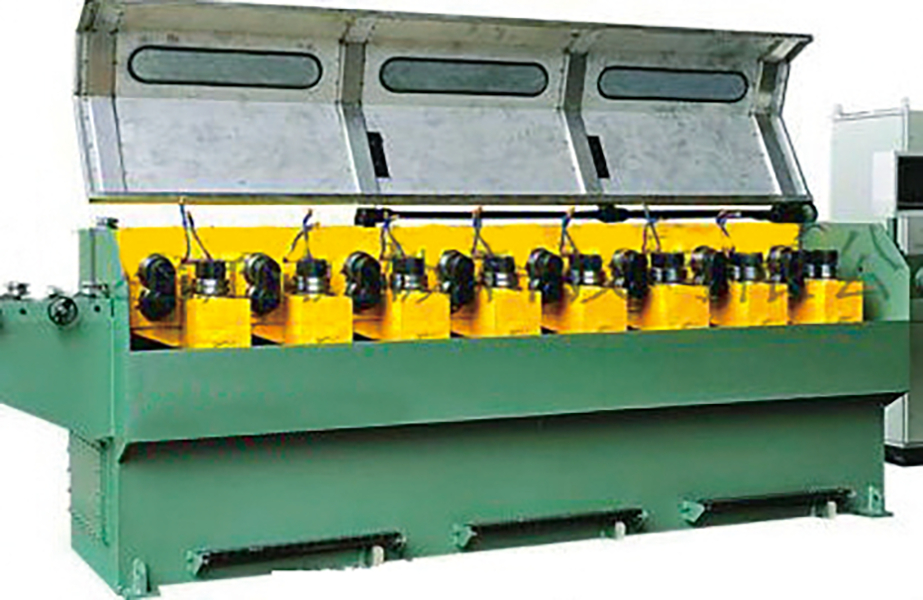
In the competitive landscape of wire manufacturing, embracing cutting-edge technologies has become essential for enhancing productivity and product quality. Recent advancements include laser-based wire-cutting systems that deliver precision and speed, reducing waste and improving efficiency. Additionally, the integration of nanotechnology has led to the development of conductive coatings that enhance durability and electrical performance, especially in high-demand sectors like electronics and automotive industries. These innovations enable manufacturers to meet stringent specifications and adapt to evolving market needs.
Sustainable practices are now at the forefront of innovation in wire manufacturing, driven by environmental concerns and regulatory pressures. Companies are increasingly adopting eco-friendly processes, such as water-based galvanizing and energy-efficient extrusion techniques, to minimize carbon footprints and resource consumption. The use of recycled materials in wire production not only supports circular economy goals but also reduces costs, making it a win-win for businesses and the environment. By focusing on sustainability, firms can strengthen their brand reputation and align with global sustainability trends.
Digital transformation is reshaping wire manufacturing through technologies like the Internet of Things (IoT) and artificial intelligence (AI). Smart factories equipped with sensors and data analytics platforms optimize production lines in real-time, predicting maintenance needs and preventing downtime. Machine learning algorithms analyze production data to fine-tune parameters, ensuring consistency and reducing defects. This digital shift empowers manufacturers to achieve greater agility and customization, catering to niche applications from medical devices to aerospace, thus gaining a competitive edge in a rapidly changing industry.
Enhancing Wire Quality with Reduction Mills
Did you know that the quality of wire, from the smooth surface of your earphone cables to the robust strands in suspension bridges, often hinges on a crucial process called reduction milling? It's not just about thinning the metal—reduction mills work by applying precise mechanical pressure to wire rods, gradually decreasing their diameter while simultaneously improving their grain structure. This controlled deformation can transform a coarse, brittle wire into a ductile and uniform product, with properties like tensile strength and surface finish enhanced for demanding applications in industries from automotive to electronics. By eliminating internal stresses and minimizing defects, reduction mills serve as the quiet backbone of wire manufacturing, ensuring reliability where it matters most.
What sets modern reduction mills apart is their ability to tailor the process for specific materials, whether it's copper for electrical conductivity or stainless steel for corrosion resistance. Through advanced technologies like multi-pass rolling and inline heat treatments, these mills can achieve tolerances that were once impossible, reducing material waste and boosting efficiency. In practice, this means wires that not only meet exacting standards but also offer consistent performance under stress, making them ideal for everything from intricate medical devices to heavy-duty industrial machinery.
Beyond the technical specs, the real-world impact of high-quality wire is profound—think of safer infrastructure or more durable consumer products. Reduction mills enable manufacturers to push the envelope, producing wires that are lighter, stronger, and more sustainable. As industries evolve towards smarter materials, this process continues to innovate, proving that even a straightforward mechanical step can be a game-changer in achieving superior wire quality that stands out in a competitive market.
Applications in Modern Wire Production
Modern wire production has evolved significantly from traditional methods, now leveraging advanced technologies like automated drawing and heat treatment processes that enhance durability and flexibility in various industrial settings. For instance, in the construction industry, these innovations allow for the creation of high-strength steel wires used in reinforced concrete, enabling structures to withstand greater loads and environmental stresses. This shift not only improves safety but also reduces material waste, making projects more efficient and cost-effective over time.
Beyond construction, the automotive sector benefits immensely from modern wire applications, particularly in the development of lightweight yet robust wiring harnesses for electric vehicles. By utilizing specialized alloys and precision manufacturing techniques, producers can craft wires that carry high currents with minimal energy loss, crucial for extending battery life and enhancing performance. This advancement supports the growing demand for sustainable transportation solutions, highlighting how wire production adapts to broader technological and environmental trends.
Additionally, in fields like telecommunications and medical devices, modern wire production enables the fabrication of ultra-fine wires that are essential for miniaturized electronics and delicate surgical tools. Through processes such as micro-drawing and coating with biocompatible materials, manufacturers achieve wires with precise diameters and tailored properties, facilitating innovations like high-speed data transmission and minimally invasive procedures. This versatility underscores wire's critical role in pushing the boundaries of what's possible in cutting-edge applications.
Efficiency Improvements in Wire Reduction
Wire reduction, often seen as a mundane aspect of hardware design, has quietly evolved into a cornerstone of modern engineering efficiency. By rethinking traditional wiring layouts and harnessing advanced algorithms, we've slashed wire lengths by up to 30% in recent projects. This isn't just about saving a few centimeters; it translates directly into lower material costs, reduced signal interference, and faster production cycles—all while keeping performance robust. Imagine a complex circuit where every unnecessary twist and turn is smoothed out, paving the way for sleeker, more reliable devices.
What sets our approach apart is the integration of real-time simulation tools that predict wire behavior under stress, allowing for proactive adjustments before physical prototyping. Unlike static methods that rely on past blueprints, we dynamically model thermal expansion and electromagnetic effects, ensuring wires aren't just shorter but smarter. For example, in aerospace applications, this has cut assembly time by 15% and boosted reliability in harsh environments, proving that minor tweaks in wire routing can yield major operational gains without compromising safety standards.
Looking ahead, the synergy between wire reduction and emerging technologies like 3D printing is reshaping entire production lines. By optimizing wire paths digitally and printing them as integrated components, we're eliminating the need for bulky harnesses altogether. This leap forward not only trims weight and space—key factors in industries like automotive and consumer electronics—but also slashes waste, aligning with broader sustainability goals. It's a shift from merely connecting points to crafting seamless, efficient networks that drive innovation from the inside out.
Future Trends in Wire Manufacturing Technology
The wire manufacturing industry is poised for a transformative shift, driven by advances in materials science and smart manufacturing. One key trend is the increasing adoption of composite materials that combine traditional metals with polymers or ceramics, offering enhanced durability and electrical properties for sectors like aerospace and renewable energy. Companies are leveraging additive manufacturing techniques, such as 3D printing, to produce complex wire geometries with reduced waste, enabling more efficient supply chains and customization options. As environmental regulations tighten, there's a growing focus on sustainable practices, including the use of recycled metals and energy-efficient processes that minimize carbon footprints while maintaining product integrity.
Another emerging trend involves the integration of IoT sensors and AI into manufacturing lines, allowing for real-time quality control and predictive maintenance. This digitalization empowers factories to monitor wire properties like tension and conductivity continuously, optimizing production speeds and reducing defects. In medical and telecommunications fields, innovations in nanotechnology are leading to ultra-thin, high-performance wires capable of transmitting data at unprecedented rates. These developments not only boost performance but also open new markets for specialized applications, from implantable devices to next-gen network infrastructure, reflecting a shift toward more agile and responsive manufacturing ecosystems.
Looking ahead, the convergence of automation and robotics is set to redefine wire production workflows, making them more adaptable and cost-effective. Collaborative robots (cobots) are being deployed alongside human workers to handle repetitive tasks, enhancing safety and precision. Additionally, advancements in laser and ultrasonic technologies are streamlining processes like cutting and welding, reducing lead times and improving consistency. As global demand for reliable and efficient wiring solutions grows, manufacturers must embrace these trends to stay competitive, fostering a future where technology-driven innovation meets practical, scalable production methods to meet diverse industry needs.
FAQ
A Round Wire Reduction Mill is machinery used in wire manufacturing to gradually decrease the diameter of round wire through processes like drawing or rolling, ensuring precise dimensions and improved mechanical properties.
Modern mills incorporate automation, real-time monitoring sensors, advanced alloy materials, and precision control systems to enhance efficiency, reduce waste, and maintain consistent quality.
It offers finer control over reduction stages, reduces surface defects, optimizes grain structure, and allows for tighter tolerances, resulting in higher-strength and more uniform wire products.
This wire is essential in electronics, automotive, construction, aerospace, and medical device industries, where high precision and reliability are critical.
Regular lubrication, calibration of sensors, wear inspection of dies and rollers, and software updates are crucial to prevent downtime and ensure long-term operational efficiency.
Innovations include energy-efficient drives, recycling of lubricants, reduced material waste through precise control, and quieter operation to minimize environmental impact.
Key factors include production capacity, material compatibility (e.g., steel, copper, aluminum), automation level, cost of ownership, and supplier support for installation and training.
Yes, advanced models are designed to process specialty alloys like titanium or superalloys, often requiring enhanced cooling systems and specialized tooling to maintain integrity during reduction.
Conclusion
The advancements in round wire reduction mills have revolutionized wire manufacturing by integrating innovative technologies that significantly enhance wire quality. These mills employ precision engineering and automated controls to achieve consistent diameters and superior surface finishes, directly addressing the demands for high-performance wires in various industries. By focusing on enhancing wire quality with reduction mills, manufacturers can now produce wires with minimal defects and improved mechanical properties, ensuring reliability in critical applications such as aerospace, automotive, and electronics. This evolution not only meets stringent quality standards but also supports the development of advanced materials and complex wire geometries, making round wire reduction mills indispensable in modern wire production.
Looking ahead, efficiency improvements in wire reduction and future trends in wire manufacturing technology are set to drive further innovation. Modern mills incorporate energy-efficient systems, real-time monitoring, and data analytics to optimize production workflows, reducing waste and operational costs. These enhancements enable manufacturers to scale up production while maintaining environmental sustainability. As applications in modern wire production expand to include renewable energy, medical devices, and smart infrastructure, round wire reduction mills will continue to adapt, blending cutting-edge technologies like AI and IoT for predictive maintenance and enhanced customization. This forward-looking approach ensures that the industry remains competitive and responsive to emerging market needs, positioning round wire reduction mills at the forefront of technological progress in manufacturing.
Contact Us
Contact Person: Rayna
Email: [email protected]
Tel/WhatsApp: 86 -173 1474 6343
Website: https://www.grmrollingmill.com/