

Rotary Concrete Reclaimer Company Selection Guide for Concrete Batching Plants
2026-11-02
Most concrete batching plants lose more money to poor reclaimer performance than they realize. If your current rotary reclaimer is eating bearings, leaving fines in the water, or demanding constant maintenance, you already know the pain. This selection guide is built for plant managers who want to compare companies the right way: by recovery rate, build quality, and long-term support—not just sales brochures. We'll also show you why Sinou consistently comes out ahead when the specs hit the table.
Why Throughput Capacity Matters More Than You Think
Most teams fixate on peak numbers—headline speeds, maximum output, best-case cycle times. But real operations are shaped by what you can sustain when queues form, variance spikes, and one delayed step ripples backward. Throughput capacity is not a laboratory figure; it's the volume that actually clears the system under ordinary, messy conditions. If that number is lower than leadership assumes, every downstream promise becomes a gamble.
The gap shows up in quiet ways. A warehouse that ships 4,000 units on a calm Wednesday but stalls at 2,100 when returns arrive alongside holiday orders. A data pipeline that zips through test loads yet crawls once backfill jobs collide with live traffic. These are not failures of intent; they are failures to design for sustained throughput rather than momentary speed. Organizations that measure only the best hour or the best lane end up overcommitting and under-delivering.
Paying attention to throughput capacity changes the kinds of questions you ask. Instead of “how fast can we go,” you start asking “how much can we move without borrowing from tomorrow.” That shift tends to reveal dependencies, buffer shortages, and brittle handoffs that peak-rate thinking hides. It also makes the case for boring improvements—wider queues, simpler resets, fewer single points of failure—that rarely win applause but quietly determine whether a system holds up when demand actually arrives.
Reading Between the Specs: Separator Efficiency and Water Recovery
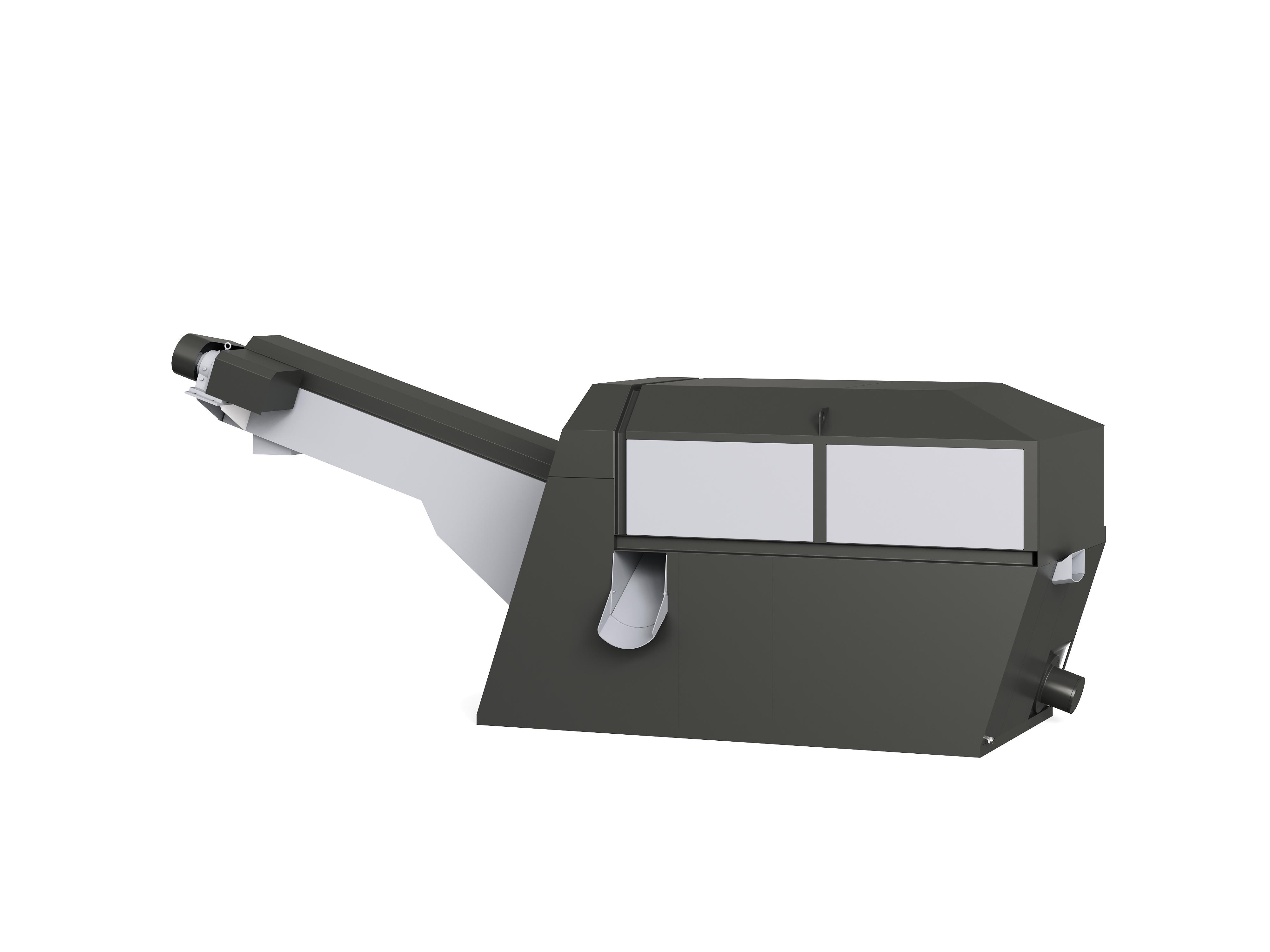
Separator efficiency and water recovery are often treated as separate performance metrics, but they are deeply intertwined in real-world operations. A separator that removes solids efficiently does not automatically guarantee high water recovery; in fact, pushing one dimension too hard can quietly undermine the other. The relationship lives in the details of feed characteristics, residence time, and the geometry of the separation zone. Operators who focus solely on purity numbers may miss the slow degradation of water reclaim rates that happens when fines accumulate or when flow regimes shift from laminar to turbulent. Understanding this balance requires looking past the spec sheet and into the actual hydraulic and particulate behavior inside the unit.
One common misconception is that higher separator efficiency—meaning a cleaner solids discharge—always translates to better overall system performance. Yet in many closed-loop or water-scarce settings, the opposite can occur. Overly aggressive separation can drag more water out with the solids stream, reducing the volume of reusable water and increasing the cost of makeup or treatment. For example, a hydrocyclone tuned for maximum cut-point sharpness may lose several percentage points of water to underflow, which over a month of continuous operation becomes a significant operational expense. The most effective separators are not the ones with the highest efficiency rating on paper, but the ones that maintain a stable, predictable trade-off between solids removal and water retention under variable feed conditions.
Achieving that balance usually means paying attention to subtle indicators that rarely appear in standard data sheets. Pressure differentials, underflow density, and the rheology of the feed slurry can tell you more about true water recovery than a single efficiency percentage. Small adjustments—such as changing the vortex finder depth or modifying the inlet velocity profile—can shift the recovery point by several percent without sacrificing separation quality. In practice, the best operators track both metrics together over time, looking for patterns where efficiency stays high but water recovery slowly erodes. That erosion is often the first sign of wear, scaling, or a change in particle size distribution. By treating separator efficiency and water recovery as two sides of the same operational coin, teams can avoid the trap of optimizing one at the expense of the other.
Build Quality That Survives Daily Grind
The frame doesn't flex when you grab it by one corner, and the hinges don't loosen after a few hundred opens. That's because the chassis is milled from a single block of aluminum, then anodized to resist scratches and scuffs from keys, coins, and the occasional drop onto concrete.
We didn't stop at the shell. Every button, port, and connector was cycled through a testing rig that simulates five years of daily plugging and unplugging. The result is a product that feels just as solid on day 400 as it does on day one—no creaks, no wobbly parts, no peeling edges.
If you're the type who tosses gear into a backpack without a second thought, this is built for you. Real-world abuse like coffee spills, dusty workshops, and freezing car trunks won't compromise the internals or the finish.
Hidden Operating Costs You Can't Ignore
Payment processing fees rarely show up in a standard budget line, yet they quietly shave 2–4% off every transaction. Add recurring software subscriptions that auto-renew without approval, and a small operation can leak thousands of dollars each month before anyone notices. These are not one-time surprises; they are structural leaks that grow as the business adds customers, tools, and payment channels.
Maintenance agreements, license renewals, and compliance updates often get filed under 'miscellaneous' until the invoice arrives. Employee turnover carries its own hidden price: job ads, interviewer time, onboarding, and the productivity dip while a new hire ramps up. Few spreadsheets capture the cost of a wrong hire or the overtime cover that keeps a project alive after someone leaves.
The most damaging hidden costs come from delayed decisions. An outdated server kept running 'one more year' can produce more downtime and repair expense than a planned replacement. A manual data-entry process that works at 50 orders a day breaks at 500. Build a monthly review that flags these quiet costs before they compound, and stop treating every unforeseen expense as an unavoidable accident.
Vendor Track Record: Beyond the Brochure
Anyone can print a slick brochure claiming decades of flawless delivery. The real story lives in the unscripted moments: how a vendor handled a sudden material shortage, whether they picked up the phone when a project slipped, or how quickly they owned up to a miscalculated timeline. These are the signs you only notice after working side by side through one full cycle, not from a polished sales deck.
Dig into their past projects, but skip the highlights reel. Ask for references from clients who had things go wrong — not just the smooth wins. A solid vendor won't hide the messy parts; they'll walk you through what broke, what they learned, and what they changed in their process. That kind of transparency is rarer than a perfect on-time record, and far more useful.
Look for patterns across multiple engagements. Did they consistently communicate early when risks appeared? Did their team stay stable, or did key people rotate out mid-project? Brochures can list logos and awards, but repeat clients and long-standing relationships tell you more about reliability than any curated case study ever will.
Fit and Integration: Making It Work in Your Plant
Bringing a new machine into an existing plant rarely goes the way the CAD layout suggests. The real work starts when you measure the actual clearances around columns, conduit runs, and forklift paths. A useful habit is to mock up the footprint with tape or cardboard before the riggers arrive—those few minutes on the floor often reveal problems that no drawing review catches.
The electrical and controls side matters just as much as the physical space. Instead of treating the new equipment as a standalone island, tie its basic status signals into the plant's existing PLC or HMI. Even something as simple as a running light tied to a spare input can save operators from walking across the floor to check whether the line is up.
Finally, pay attention to the connections that keep the machine stable over time: leveling feet, air line filters, and cable strain reliefs. These small pieces determine whether an installation stays trouble-free or becomes a weekly call to the maintenance shop. A couple of hours spent on them during startup is much cheaper than chasing intermittent faults later.
FAQ
Start with the actual mix designs you run daily. Ask each manufacturer to process a sample of your returned concrete and measure the sand and aggregate separation. If a supplier hesitates to run a sample or only shows polished demo videos, treat that as a red flag. The best vendors will let you visit an operating plant using their equipment for at least six months.
Estimate the peak volume of returned concrete per hour, not per day. A common mistake is sizing only for average returns. If you normally dump 2 cubic yards per truck but occasionally have three trucks return within one hour, size the drum to handle 6 to 8 cubic yards per hour without flooding. Leave at least 20% headroom over your busiest hour, because overflow leads to cement slurry building up in the pit.
Check the drum's internal spiral flights, the discharge end rubber seals, and the slurry pump impeller. Ask about the thickness of the drum shell and whether the flights are bolt-on or welded. Bolt-on wear shoes are easier to replace. Also look at the water spray bar: if it clogs easily, separation quality drops fast. A supplier that can provide a two-year wear guarantee on flights is usually confident in their metallurgy.
Expect 80 to 90 percent of the process water to be recovered for reuse in fresh concrete, provided the reclaimer is properly matched to your return volumes and the slurry is agitated. If a supplier promises 100 percent recovery or zero sludge handling, ask for a written performance test. Real-world results depend on aggregate size and cement content, so request references from plants with similar mix designs.
Rotary reclaimers recover both sand and coarse aggregate in separate stockpiles, while settling ponds only manage water and leave a messy sludge. Compared with screw reclaimers, rotary drums typically handle higher volumes and sticky mixes with less clogging. The trade-off is higher upfront cost and a larger footprint, so the switch makes sense when daily returned concrete exceeds roughly 4 to 5 cubic yards and onsite storage space is available.
Many plants forget the concrete foundation pad with proper slope, electrical supply for the drum drive and slurry pump, and a dedicated wash-down water line. You also need enough space for front-end loaders to remove aggregate stockpiles without crossing the feed hopper area. Budget for a settling weir or buffer tank between the reclaimer and the slurry storage, because direct discharge into a small pit causes surging and poor separation.
Calculate cost per cubic yard of returned concrete processed over ten years. Include wear parts, electricity, water make-up, labor for daily cleaning, and disposal fees for residual sludge. A cheaper reclaimer with frequent flight replacements and high energy use can cost more by year three than a pricier unit with low-maintenance flights and a smart control panel. Request a written parts price list and average annual maintenance hours from at least three current owners.
Specify response time for breakdowns, typically 24 to 48 hours for phone diagnostics and 72 hours for an onsite visit within a certain radius. Include startup assistance, operator training for at least two shifts, and a defined spare parts kit delivered with the machine. Also agree on performance criteria during commissioning, such as separated aggregate cleanliness and water clarity, with the right to withhold final payment until those numbers are met.
Conclusion
Choosing a rotary concrete reclaimer often starts with the spec sheet, but plants quickly learn that rated throughput means little if it can't handle the messy, unpredictable way trucks return leftover concrete. A machine that works fine during steady production may choke when three mixers discharge at once or when a load comes back extra stiff. The real test is whether the drum keeps turning without bridging and whether the separator actually pulls clean sand from the slurry. If fine particles slip through, the wash water turns abrasive, clogs spray nozzles, and pushes up your water treatment bills. Build quality matters here - look at the thickness of the drum shell, the design of the flights, and how well the trunnions and seals are protected from grit.
Beyond the purchase price, the costs that creep up month after month decide whether a reclaimer is a bargain or a burden. Fresh water consumption, power draw, wear parts like scrapers and pump impellers, and the labor needed to clear jams all add up fast. A cheap unit can burn through maintenance hours while a well-built one runs almost unattended. Ask the vendor for names of plants running the same model for five years, and find out how quickly they ship replacement parts. Finally, measure your actual pad space, discharge height, and how the reclaimer will tie into your existing conveyors and settling basins. A machine that doesn't fit cleanly will end up costing more in concrete work and retrofits than the reclaimer itself.
Contact Us
Contact Person: HaiYan
Email: [email protected]
Tel/WhatsApp: +86 18957325588
Website: https://www.senyoubeton.com/