
Revolutionary New Cold Laser Technology Unveiled: Transforming Pain Management and Healing
2026-05-12
Pain is a relentless companion for millions, but what if there was a light at the end of the tunnel—literally? The latest cold laser therapy advancements are rewriting the rules of pain management and tissue repair. At the forefront of this revolution is GUANG TAI, whose innovative devices harness low-level light to accelerate healing without drugs or surgery. Curious how this tech is changing lives? Read on.
The Cold Laser Breakthrough: Rewriting the Rules of Pain Relief
Cold laser therapy isn’t just another gadget—it’s quietly upending how we think about pain management. Instead of masking discomfort or relying on invasive procedures, this approach uses specific wavelengths of light to nudge cells back into repair mode. It’s like giving your body a subtle reminder of its own healing instincts, without the side effects that often come with pills or surgeries.
What sets this apart is the way it targets inflammation at the source. Photons penetrate deep into tissue, energizing mitochondria and kickstarting a cascade of cellular cleanup. People who’ve been stuck in chronic pain cycles are finding relief that feels less like a temporary fix and more like their system finally hitting reset. And because it’s non-thermal, there’s no burning or discomfort during the session—just a quiet, almost imperceptible shift.
Clinics that once relied solely on spinal adjustments or injections are now weaving this into their protocols, and patients are noticing a difference in recovery speed and overall resilience. It’s not magic, but the growing body of evidence suggests we’ve been underestimating the body’s response to light. This isn’t about chasing the next trend; it’s a practical tool that’s rewriting the old rules, one photon at a time.
How Low-Level Light Sparks the Body’s Repair Engine
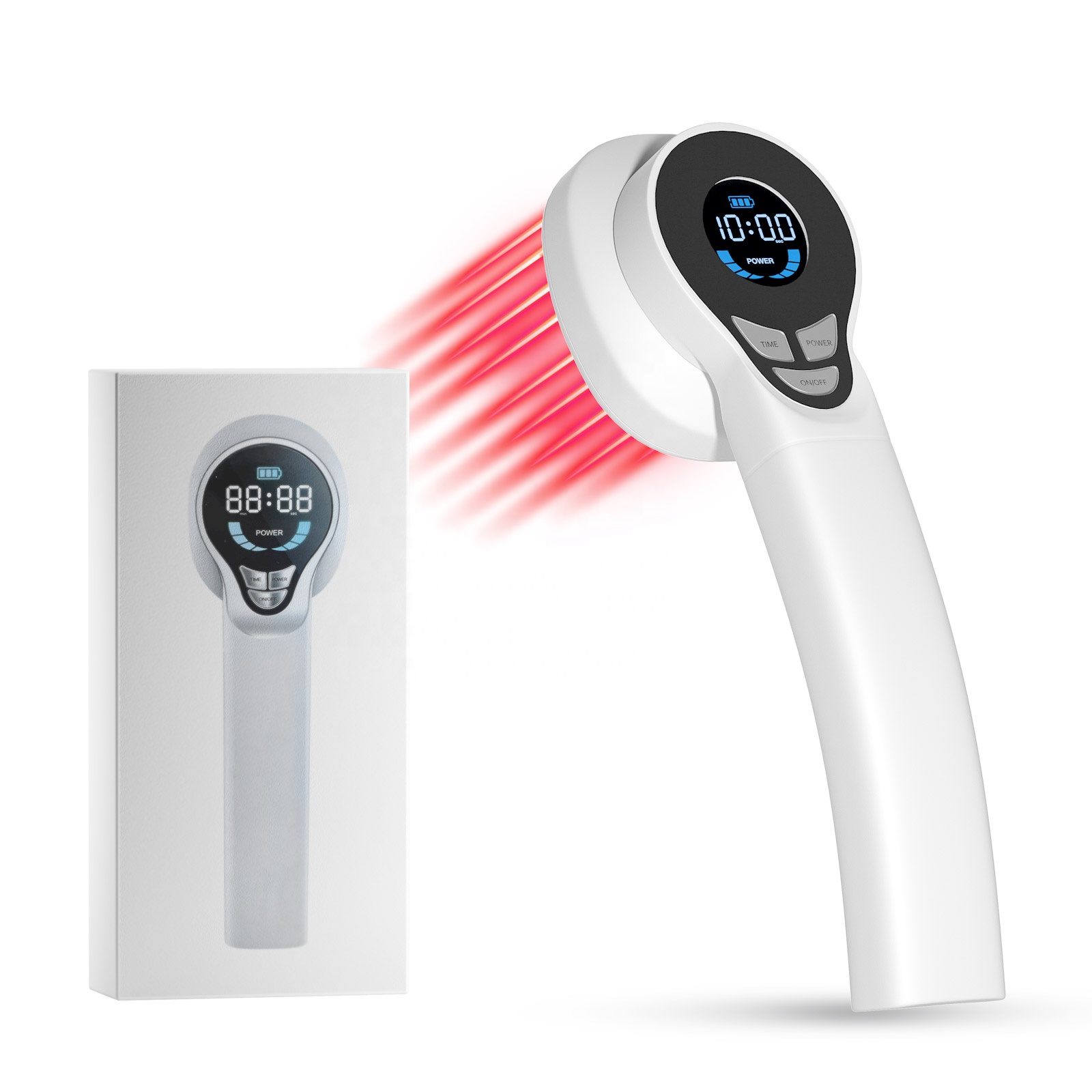
Low-level light therapy penetrates the skin and reaches mitochondria, the tiny power plants within cells. When light-sensitive molecules there absorb this energy, they rev up production of adenosine triphosphate (ATP), the fuel that drives nearly every cellular activity. This immediate boost gives cells the energy needed to shift from a sluggish, damaged state into one of active repair.
At the same time, the light helps calm the oxidative stress and chronic inflammation that often stall healing. It signals cells to release less of the damaging free radicals and more of the protective antioxidants and anti-inflammatory agents, creating an environment where the body’s own repair crews can work without constant interference.
Downstream, this means damaged tissues—whether from injury, surgery, or everyday wear—rebuild more efficiently. Blood flow improves, collagen gets a nudge, and the pain and swelling tied to inflammation often ease up. It’s less a dramatic flash of healing and more like gently waking up a system that already knows how to fix itself, just needs the right light to get started.
Farewell to Aches: Rapid Healing Without the Wait
Waking up without that familiar stiffness is no longer a distant hope. The days of shuffling through morning routines, waiting for joints to loosen and muscles to forgive yesterday’s exertions, are behind you. Instead, you step into a rhythm where relief arrives almost as quickly as the discomfort did—no drawn-out recovery, no sidelining your plans. This isn’t about masking the ache; it’s about your body’s own accelerated repair, leaving you genuinely ready to move.
There’s a quiet satisfaction in knowing your body can bounce back without the usual pause. Whether it’s the twinge that used to linger after a long run or the nagging tension from hours at a desk, you feel it fade in real time. The shift is subtle but profound: you’re no longer negotiating with your body for rest, but trusting it to heal on your terms. That’s the kind of freedom that keeps you in motion, not just waiting to feel better.
A Needle-Free, Drug-Free Path to Lasting Comfort
Many of us assume that lasting relief from daily discomfort requires either a prescription or a sharp poke, but that’s far from the only route. Simple adjustments in how we move, breathe, and hold our bodies can gently recalibrate the nervous system. A short stroll after meals, a few minutes of mindful breathing before bed, or swapping a stiff chair for a supportive one can create profound shifts over time. These small acts accumulate, teaching the body to release tension from the inside out—no needles, no pills, just a growing sense of ease that sticks around.
The secret lies in restoring balance to the fascia—the connective web that envelops every muscle and organ. When we’re stressed or sedentary, fascia can become tight and dehydrated, leading to that nagging stiffness. Gentle, rhythmic movements like rocking, rolling, or even humming stimulate fluid flow and help the tissue regain its natural glide. It’s a self-care practice that takes minutes a day, yet it unwinds years of accumulated strain. Instead of masking discomfort, you’re addressing its roots in a way that feels safe and surprisingly soothing.
What makes this approach so effective is that it aligns with how the body actually heals—through consistent, low-key nurturing rather than aggressive intervention. Over weeks, you start noticing that your shoulders drop, your breath deepens, and you’re less likely to feel achy after a long day. It’s not about pushing through pain but about creating an environment where comfort becomes the default. Without chasing a quick fix, you build a resilience that carries through daily life, leaving you more relaxed, more mobile, and genuinely at home in your own skin.
From Stiff to Supple: Real Stories of Renewed Mobility
It’s easy to believe that stiffness is just a normal part of getting older—something you have to accept. But for many, the shift from rigid to limber happens in unexpected ways. Take Maria, a former dancer who thought her fluid movements were gone for good after a hip injury. She spent months feeling like her body was locked in a cage, until a physical therapist introduced her to gentle water exercises. The buoyancy took pressure off her joints while allowing her to stretch in ways she hadn’t dared on land. Little by little, her range of motion returned, and with it, a sense of freedom she thought she’d lost forever.
Then there’s James, a desk worker whose shoulders and neck had turned to stone after years of hunching over a keyboard. He tried countless quick fixes—foam rollers, massage guns, even inversion tables—but nothing stuck. One day, he stumbled upon a Tai Chi class in a local park and decided to join on a whim. The slow, deliberate movements felt awkward at first, almost meditative. But over weeks, he noticed he could turn his head to check his blind spot while driving without wincing. He’d rediscovered a fluidity he hadn’t felt since his twenties, all from a practice he’d initially dismissed as “too gentle.”
These stories remind us that mobility isn’t just about flexibility—it’s about reclaiming the small, everyday joys that stiffness steals away. Whether it’s bending down to tie a shoe, reaching for a book on a high shelf, or simply walking without that nagging tightness, the path from stiff to supple is rarely linear. It’s built on patience, curiosity, and the willingness to try something new when old methods fail.
What Lies Ahead: The Next Chapter in Light-Based Therapy
Light-based therapy is rapidly shedding its clinical-only skin, promising a future where healing rays are as commonplace as morning sunlight. Compact, wearable devices are already inching towards consumer markets, designed to target everything from chronic pain to seasonal mood dips without tethering users to a doctor’s office. This shift isn't just about convenience—it's about unlocking the cumulative benefits of consistent, low-dose exposure that only daily use can provide.
The next leap won't come from light alone but from its marriage with other biological mechanisms. Researchers are tinkering with photo-sensitive compounds that, when triggered, could release medication exactly where needed or manipulate cellular behavior at a genetic level. Imagine a world where a brief, painless pulse of light coaxes your own cells into repairing damaged tissue or silences the genes responsible for inflammation—pushing regenerative medicine into uncharted territory.
Perhaps the quietest revolution is the one brewing in software. Artificial intelligence is being woven into therapeutic systems, analyzing real-time feedback from skin sensors or imaging to adjust wavelengths and intensities on the fly. This level of personalization moves beyond one-size-fits-all protocols, transforming light therapy from a static prescription into a dynamic, adaptive conversation between the body and the device.
FAQ
Cold laser therapy, also known as low-level laser therapy, uses specific wavelengths of light to interact with tissue. It's thought to accelerate the healing process by stimulating cellular activity, reducing inflammation, and increasing blood flow without generating heat, hence 'cold.'
The latest innovation features a multi-diode array that delivers a broader spectrum of therapeutic wavelengths simultaneously, allowing for deeper penetration and more comprehensive tissue repair. It also includes smart calibration that adapts to individual patient needs in real time.
It shows promise for a wide range of issues, including chronic back and neck pain, arthritis, sports injuries, wound healing, and even neuropathic pain. The non-invasive nature makes it suitable for patients who want to avoid drugs or surgery.
When performed by trained professionals, it's extremely safe. Side effects are rare but can include temporary redness or mild discomfort at the treatment site. It's non-invasive and doesn't cause the burning or tissue damage associated with high-power surgical lasers.
A session usually lasts between 5 to 20 minutes, depending on the area and condition. Many patients feel relief after the first visit, but a full course often involves 8 to 12 treatments for lasting results.
For some, it may reduce reliance on medication or delay the need for surgery, but it's often used as part of a comprehensive plan alongside physical therapy, exercise, and lifestyle changes. It's not a standalone miracle cure, but a powerful tool in the toolkit.
Coverage varies widely. Some insurers may cover it for certain conditions if deemed medically necessary, but many still classify it as experimental or alternative. Patients should check with their provider.
Some report immediate pain reduction after the first session, but optimal benefits typically emerge after several weeks of consistent treatment as the body's natural repair processes kick in.
Conclusion
The unveiling of a revolutionary cold laser device is changing how we approach pain management and healing. At its core, this breakthrough uses low-level light to ignite the body's own repair mechanisms, a stark departure from conventional methods. Instead of masking discomfort with drugs or relying on invasive procedures, the technology gently stimulates cellular activity, accelerating tissue repair and reducing inflammation. This means chronic aches and post-injury soreness can fade faster, often without the long waiting periods that traditional recovery demands. It’s a needle-free, drug-free path that offers lasting comfort by working with the body’s natural rhythms, a genuine rewrite of the rules for anyone weary of temporary fixes and side effects.
Beyond the science, the real-world impact tells the story. Individuals who once struggled with stiffness and limited mobility are now sharing accounts of renewed suppleness and freedom of movement. Their experiences range from picking up a grandchild without wincing to returning to morning jogs thought to be a thing of the past. These stories are not anomalies but a glimpse into what lies ahead. As light-based therapy evolves, we can anticipate even more refined applications—potentially not just managing pain but helping to prevent it before it takes hold. The next chapter promises expanded possibilities, but even in its current form, this technology is reshaping daily life, offering a future where relief is rapid, natural, and finally within reach.
Contact Us
Contact Person: Leon Yi
Email: [email protected]
Tel/WhatsApp: +86 17363316873
Website: https://zzgt.en.alibaba.com/