
Private Label Cheese Sauce Is the Secret to a Standout Menu
2026-11-16
Most menus blur together after the third basket of fries. The difference is rarely the main dish—it’s the sauce. A private label cheese sauce gives you that quiet advantage: familiar enough to sell, distinct enough to remember. HONGBURG FLAVORMAKER helps operators turn a simple cheese sauce into a signature reason to come back.
Why the Same Cheese Sauce Makes Every Menu Feel Forgettable
Walk into enough gastropubs, sports bars, and hotel lounges and you'll spot it immediately: the same pale yellow drizzle clinging to nachos, pretzels, burgers, even broccoli. It's not that the cheese sauce is bad. It's that it's nowhere. It arrives with the same viscosity, the same salt-to-fat ratio, the same vague cheddar whisper, until every appetizer starts to blur into one anonymous opener.
Menus start to feel forgettable when the kitchen treats cheese sauce as a utility instead of a point of view. Sharp cheddar, smoked gouda, a splash of fermented hot sauce, a lager reduction, pickled jalapeño brine—any of these could give the sauce a memory. Instead, most places reach for a food-service bag, warm it, and call it done. Customers might not be able to name what's missing, but they'll remember that nothing on the plate asked them to pay attention.
That sameness has a way of flattening the whole experience. If the cheese sauce is interchangeable, what else is? Guests notice when the kitchen stopped making decisions. A distinctive sauce doesn't need to be complicated; it just needs to belong to the dish, the room, or the region. Without that, the menu becomes a list of familiar shapes in the same yellow blanket.
How Private Label Cheese Sauce Turns a Shared Recipe into a Signature
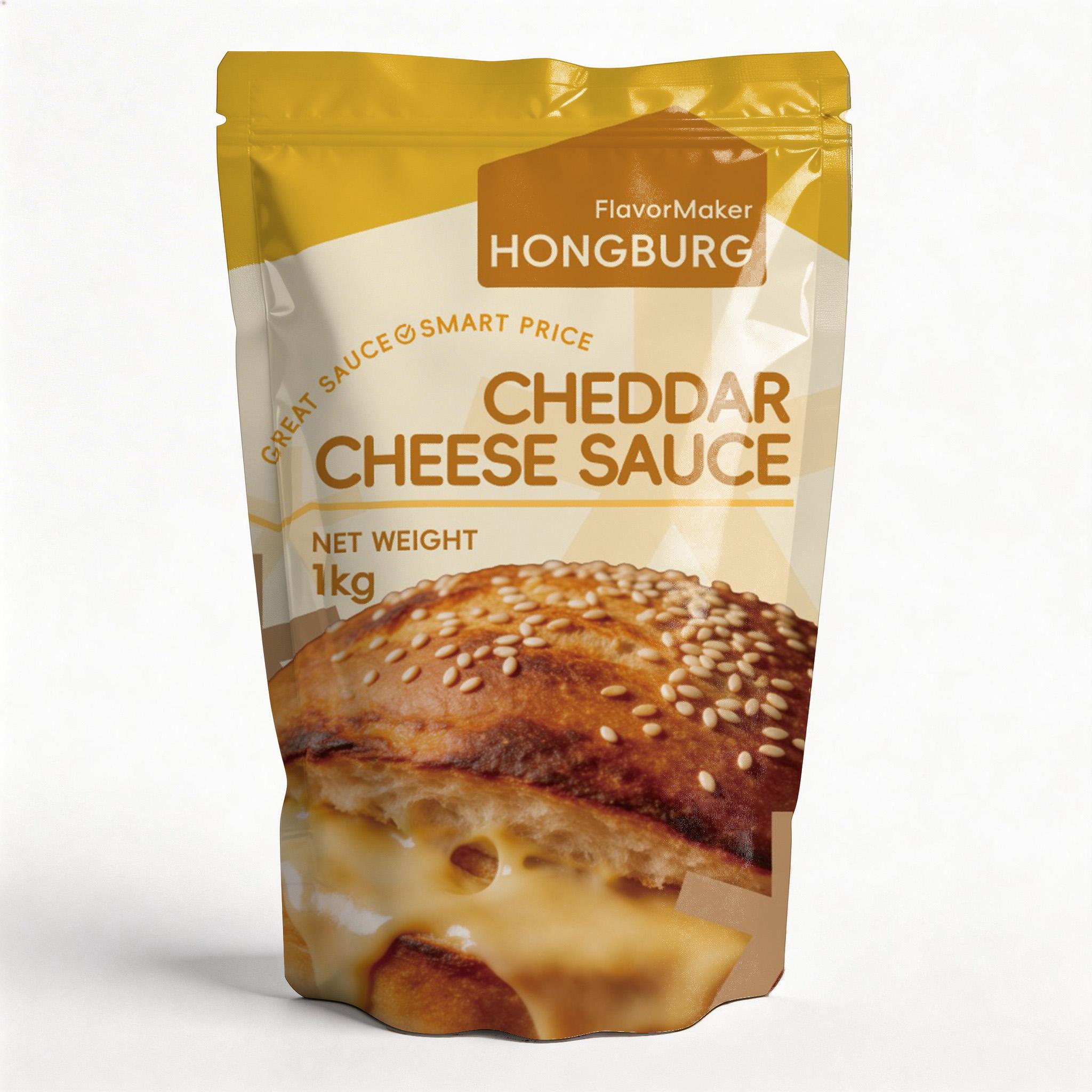
A shared base recipe can feel like a blank canvas, but the moment a private label cheese sauce is poured over it, the dish starts to speak with a different accent. The same cheddar blend that fills dozens of restaurant supply drums takes on a distinct warmth when a brand tweaks the aging time, folds in a touch of smoked paprika, or lets the roux darken just past golden. These small, deliberate choices don't rewrite the formula; they bend it until the sauce carries a fingerprint no one else can quite duplicate. Regular customers might not name the difference, but they notice when a competitor's version lands flatter or sharper on the tongue.
What often gets overlooked is how much the packaging and portioning shape that signature. A private label sauce isn't just about flavor additives; it's also about viscosity, salt curve, and how the cheese clings to a fry or a chip under a heat lamp. One brand might push for a looser, glossier pour that feels indulgent in a diner basket, while another wants a thicker cling that holds up in a delivery container. Those choices get locked into the production run, so every batch from the co-packer arrives with the same slouch and stretch. Over time, the sauce stops being a generic companion and starts functioning like a quiet brand ambassador—familiar, consistent, and just off-center enough to be remembered.
The real shift happens when a kitchen stops treating the sauce as a commodity and starts using it as a signature layer. A private label cheddar sauce might show up on a loaded nacho platter, then get thinned with beer for a pretzel dip, then get spiked with jalapeño brine for a burger spread. Each use reinforces the same underlying profile, but the flexibility lets the brand claim the sauce across multiple menu moments. Diners begin to associate that specific cheesy warmth with the restaurant itself, not with the generic base it came from. That's the quiet magic of private label: the recipe was shared, but the signature belongs to whoever bothered to make it their own.
The Most Overlooked Lever on Your Menu Is the Condiment Cup
Most operators spend their energy chasing obvious leaks—protein prices, fryer oil, labor hours—while the condiment cup sits there doing quiet damage. A little extra ranch in every cup looks harmless on one order, but across a week it turns into tubs of dip thrown away half-eaten. Trimming the fill or moving to a slightly smaller cup won't invite complaints; it just pulls the food-cost line down without anyone noticing.
The cup also decides whether the last few bites feel put-together or annoying. A lid that snaps on tight but cracks under pressure, sauce pooling in a takeout bag, a cup that tips over in the car—these moments rarely get mentioned. Guests simply don't reorder the item that came with the messy dip. A sturdier, easy-open cup is a low-effort fix that lands directly in someone's hand.
There's a quieter effect, too. A printed cup, a sauce-matched color, or a small notch that keeps the cup attached to a sandwich box tends to show up in photos more often than expected. It's cheap to test and far less disruptive than reworking a menu or overhauling packaging. Before chasing a bigger redesign, watch what a better condiment cup does to repeat orders.
Batch Control That Finally Matches Your Kitchen's Ambition
Most batch cooking tools assume you're running a diner from 1987—fixed portion trays, clunky timers, and zero feel for how a real kitchen breathes. This one takes a different route. It maps your prep load, your cook times, and your plating rhythm without treating every dish like it belongs on an assembly line. The result is a system that flexes when your sauce needs ten more minutes and when your grill guy is suddenly two tickets behind.
What sets it apart is the way it handles the messy middle of service. You're not locking recipes into rigid steps. Instead, you build a live flow: par-cook this, hold that, fire the other when the pass calls for it. Small adjustments ripple through the batch without forcing you to rewrite the whole plan. It feels less like software and more like a capable sous who just gets your pace.
For kitchens running tight covers with ambitious menus, that flexibility matters more than any dashboard metric. You stop babysitting the batch and start trusting the rhythm. Portions land consistent, waste drops because you're only firing what the room actually needs, and the line stops fighting the clock. That's the ambition—not more controls, but the right ones, working the way your crew already moves.
What Guests Notice When the Sauce Stops Tasting Borrowed
The first thing people notice is how the sauce sits differently in the pan. When a cook leans on a borrowed flavor profile, there is a mechanical sameness to the simmer—the bubbles pop at the same rhythm, the sheen looks almost lacquered, and the aroma stays polite even as it reduces. But once that borrowed taste wears off, the sauce starts to speak in small, unexpected ways. A guest might not name it outright; they simply pause mid-bite, tilt the spoon, and ask what changed. Usually it is not one ingredient. It is the absence of that borrowed confidence, the moment the sauce becomes a little more uneven and a lot more honest.
Then comes the texture. Borrowed sauces tend to coat everything with a uniform silkiness, which is pleasant but forgettable. When the borrowed taste fades, the sauce reveals its grain—tiny flecks of toasted spice, a rough edge where tomato skin refused to dissolve, a patch of oil that separates just enough to catch the light. Guests feel this before they understand it. Their fork moves slower. They dip bread twice instead of once. The sauce stops being a background actor and becomes the reason they lean forward.
Finally, there is the finish. A borrowed taste usually trails off into something predictable: sweet, then salty, then gone. A sauce that has stopped borrowing lingers unevenly. Heat arrives a beat late. A sour note flickers at the sides of the tongue. Bitterness shows up without apology. Guests notice because it disrupts the neat little arc they were expecting. That disruption is not a flaw. It is the moment the sauce becomes particular—tied to one kitchen, one hand, one deliberate decision to stop imitating.
A Standout Menu Doesn't Need More Dishes, Just a Better Base
Most menus don't suffer from a shortage of ideas. They suffer from a shaky foundation. Every dish is built on a handful of core preparations — stocks, sauces, doughs, dressings, pickles — that quietly determine whether the final plate feels sharp or forgettable. When the base is weak, chefs compensate by stacking more components, more garnishes, more novelty. But adding complexity rarely solves a problem that starts at the bottom.
The real competitive edge comes from obsessing over those unseen layers. A chicken stock simmered with just the right bones and aromatics will lift a dozen different soups, braises, and pan sauces without shouting for attention. A vinaigrette balanced with a touch of brine or a hint of fermented fruit can make three salads feel entirely distinct while sharing one reliable backbone. That invisible consistency is what turns a long menu into a manageable one — and a good one into a great one.
Cutting dishes isn't the goal. Strengthening the base is. When you stop treating base preparations as background labor and start treating them as the menu's nervous system, you can serve fewer plates while tasting like you're offering far more. The standout menu doesn't need another showstopper. It needs a better foundation under the showstoppers it already has.
FAQ
It comes down to control. You can choose a sharper cheddar, adjust the salt and acidity, or add a subtle smoked note so the sauce matches a specific dish instead of tasting like it was pulled from a generic foodservice tub.
Often yes, because cheese sauce is tied to comfort foods people already crave. When the sauce has a distinct texture and flavor, it gives familiar items like fries or burgers a specific reason to stay in someone’s mind after the meal.
They treat it like a recipe, not an off-the-shelf product. Small shifts help: a longer roux for nuttiness, a blend of two or three cheeses for depth, or a touch of fermented chili that makes the finish less flat.
It can be, since the product arrives ready to heat and hold. That saves the labor of making sauce from scratch every shift while still giving the kitchen a flavor profile that doesn’t feel borrowed from a national chain.
Loaded fries, smash burgers, nachos, and breakfast burritos tend to benefit first because the sauce is a major part of the bite. Pasta and vegetable sides also work when the sauce is built with a little more body so it clings instead of pooling.
There can be a higher upfront commitment or minimum order, but the tradeoff is less waste and a sauce that moves consistently because it fits the menu. Many operators find the per-portion cost ends up close to premium foodservice options once that volume is accounted for.
Start by attaching it to one or two high-turnover items rather than rewriting every section. Let it show up on a signature fry or burger first, then expand based on what customers actually order.
Overcomplicating the flavor is a big one. A sauce with too many competing notes can tire people out, and a formula that breaks during holding or reheating will hurt more than the recipe itself. Keep the profile focused and test it under real service conditions.
Conclusion
The moment a kitchen reaches for the same cheese sauce every other operator pours over fries, tacos, or nachos, it quietly decides that the menu will be forgettable. That shared flavor sits in the background, doing nothing to define the plate, and guests leave without a reason to remember the meal. Private label cheese sauce changes this by turning a common recipe into something that belongs to one brand. The difference is rarely the cheese itself; it is the texture, the sharpness, the way the sauce clings to a fry without breaking, and the finish that lingers just long enough. The condiment cup, often treated as an afterthought, carries more weight than most menus admit. When the sauce stops tasting like a borrowed product, the entire dish starts to feel intentional.
Batch control becomes part of that story. With private label production, the kitchen no longer has to adjust for inconsistent heat, salt, or thickness from one delivery to the next. That consistency supports a more ambitious menu because the base no longer shifts under the cook's feet. What customers notice is subtle: the cheese sauce finally tastes like it was designed for that specific burger, that particular pretzel, that house-made tot. A standout menu does not need more dishes stacked on top of a weak foundation. It needs a better base, and a private label cheese sauce gives the kitchen a quiet, reliable way to make every familiar item feel like it belongs nowhere else.
Contact Us
Contact Person: Peter Song
Email: [email protected]
Tel/WhatsApp: +86 18920189778
Website: https://www.hongburg.com