

ODM Shaving Gel Supplier Guide to Private Label Success
2026-11-02
Launching a private label shaving gel line can feel like walking a razor's edge—between standing out and blending in. This guide from Wilson cuts through the guesswork, revealing how to turn a simple grooming staple into a brand-defining product that customers reach for every morning.
How to Spot a Reliable ODM Partner Before You Send a Deposit
Before you wire any money, dig into the factory's track record beyond the polished website. Ask for at least two recent client references in your product category, then actually call them. If the ODM hesitates to share contacts or offers only generic testimonials, treat that as a warning. A short video tour of the production floor during working hours can reveal more than a photo gallery—look for organized stations, proper safety gear, and real workers, not a staged showroom.
Pay close attention to how the sales team handles technical questions. Send a detailed spec sheet with tolerances, material grades, and expected output, then see what comes back. A partner worth trusting will push back on unrealistic tolerances or suggest cheaper alternatives that won't compromise function. If every answer is "yes, no problem" without asking a single clarifying question, you're likely talking to a trading company, not the actual manufacturer.
Finally, read the contract like a lawyer, even if you're not one. The deposit clause should tie payments to concrete milestones—tooling start, first samples, pre-production run—not just a lump sum before anything happens. Spell out who owns the molds and design files if the project dies. And insist on a third-party inspection clause that lets you reject a batch before final payment. A factory that fights these points isn't worried about fairness; it's worried about accountability.
The Real Cost of Private Label Shaving Gel Beyond the Unit Price
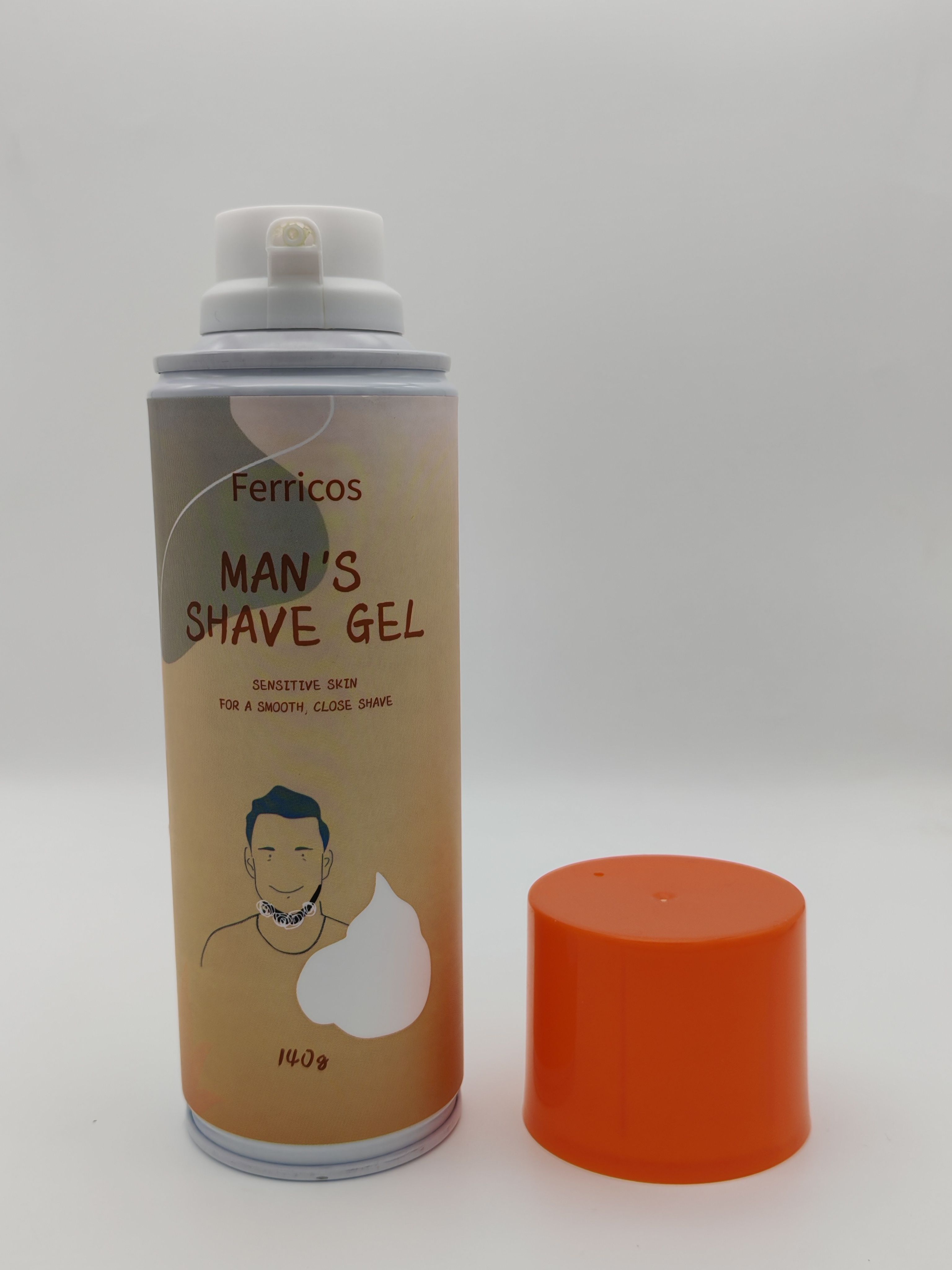
Store-brand shaving gels often lure shoppers with a price tag that undercuts national brands by a dollar or more. That upfront saving feels like a win in the checkout line, but the real calculus starts the moment you press the nozzle. Many private label formulas are thinner and less lubricating, which means you end up using nearly twice as much product to cover the same shave area. A can that promised four weeks of mornings is empty in two, and suddenly you are back in the aisle, buying another one. The per-shave cost quietly climbs, eating away at that initial bargain.
Beyond the quantity you burn through, there is the matter of what happens between the razor and your skin. Cheaper gels tend to skimp on cushioning agents like glycerin or aloe, so the blade drags rather than glides. More passes, more nicks, more irritation. That means you reach for aftershave balm, maybe a hydrocortisone cream for the razor burn, perhaps a new blade sooner than planned because the dulling friction is worse. Each of those is a hidden line item, added to the true cost of a product that was supposed to be the smart, frugal choice.
What rarely shows up on the shelf label is the repeat purchase cycle private label gels can trap you in. If the scent is harsh or the lather collapses mid-shave, you may find yourself abandoning the can before it is even finished, tossing a half-used product in the trash and reaching for something else. That is not just money wasted; it is the quiet frustration of a shave that never feels quite right. The real cost is not in the unit price printed under the hook. It is in the extra cans, the extra blades, the soothing balms, and the mornings you spend fighting your own razor instead of simply shaving.
Custom Formulas That Don't Just Smell Like the Market Leader
When you pop the cap on most fragrance oils, you already know the story: the same top notes, the same dry-down, the same vague familiarity that makes you wonder if every supplier shares one master blend. Our custom formulas break that cycle. We start with raw aromatics that rarely make it into commercial catalogs—think overripe fig leaf, smoked vetiver root, or the dust caught in old library pages—and build scents that drift sideways instead of following the well-worn path. No clone requests, no 'type' oils. Just a composition that smells like a place you've never been but somehow remember.
The difference isn't just in the ingredient list; it's in the balance. Where market leaders lean on predictable sweetness or a heavy musk base, we push the middle notes into odd, beautiful territory. A candle might open with cold concrete after rain, then settle into warm beeswax and trampled mint. A room spray could carry the bitterness of green walnut husk softened by a faint, salty breeze. Each formula is built through small-batch trials, adjusting until the scent feels less like a product and more like an accidental discovery in someone's workshop.
What you won't find here is a replica of whatever is trending on the shelf. Instead, you'll get a bottle that asks a little more from your nose—and gives back a scent with a memory of its own. Whether you're pouring candles for a tiny apothecary or developing a signature line for a boutique hotel, these formulas give you an edge that can't be copied by simply reading the label. Because when a customer says 'this doesn't smell like anything else,' that's not a complaint. It's the whole point.
Designing Packaging for Repeat Purchases, Not Just First Impressions
Most brands obsess over shelf appeal—the bold colors, the tactile finishes, the unboxing moment that photographs well. But that initial spark fades fast. Packaging that drives repeat purchases works differently: it earns a permanent place in the buyer's routine. Think of the coffee bag with a one-handed resealable zip that actually works after thirty uses, or the supplement bottle with a label that doesn't peel when stored in a humid bathroom. These small, functional details become the quiet reasons a customer reaches for the same product again without considering alternatives.
Repeat purchase packaging also needs to respect the user's environment. A box that's slightly too tall for a standard pantry shelf gets stored sideways and eventually forgotten. A pouch that can't stand upright spills product and creates resentment. By designing for the spaces where products live—kitchen counters, medicine cabinets, desk drawers—brands turn their packaging into a reliable fixture rather than a one-time novelty. The goal isn't to be noticed every time; it's to never be in the way.
Finally, the real test of repeat-purchase design is whether the packaging communicates ongoing value after the first open. A refill system that requires no scissors or funnel, a measuring cap that doubles as a storage lid, a label that includes a simple reorder reminder—these features quietly reinforce that the brand understands how the product is actually used over time. When packaging consistently solves small problems, customers don't just tolerate it. They come to depend on it, and that dependence is what turns a single sale into a lasting habit.
Managing Compliance Without Letting It Stall Your Launch
You don't need a perfect compliance sign-off to ship—you need a process that removes surprises. Pull your legal or regulatory team into the initial scoping session, not the final launch checklist. Ask them to flag which planned features touch data residency, payments, accessibility, or safety certifications. Write those flags next to the relevant user stories so engineers see the constraints before writing a single line, and product managers can adjust scope while it's still cheap to change.
Create a small library of reusable compliance notes for the recurring rules your product actually faces—things like GDPR data export, PCI card handling, or FTC disclosure requirements. Instead of waiting for a formal review each sprint, a designated product owner can run a five-minute self-check against these notes and raise only genuine deviations. That keeps routine updates moving without treating every release like a regulatory first contact.
Set a strict response window for compliance feedback, such as three working days, and agree on an escalation path if that window slips. Invite a compliance reviewer to attend sprint demos as an observer, not a gatekeeper, so they can catch risky changes while the code is still easy to unwind. The goal is to make compliance a parallel track that informs the launch, rather than a tollbooth that stops it.
Finding a Niche in a Saturated Grooming Aisle
The mistake most brands make is staring at the same shelf data as everyone else. If beard oil sales are flat, they assume the category is done. But walk the aisle with fresh eyes and you'll notice gaps hiding in plain sight: products for men who shave their heads, not just their faces. Scalp-specific shave gels, mattifying moisturizers for bald skin, and post-shave treatments that address razor bumps along the neck are rarely given dedicated shelf space. That's where the room is.
Another angle is to stop selling gender and start selling routine. A guy who travels twice a month doesn't need another 100ml beard balm; he needs a solid shampoo-and-shave bar that won't leak in a carry-on. Products designed around real habits—gym bags, small apartments, early shifts—automatically stand apart from a wall of near-identical amber bottles. Pay attention to how people actually use the aisle, not just what they buy from it.
Finally, niche isn't always about a new ingredient or a louder label. Sometimes it's about removing barriers. A fragrance-free line with shorter ingredient lists can capture customers who've quietly given up on grooming because everything irritates their skin. If you can name the specific person who feels overlooked, and build for them without turning the product into a parody, you've found a niche that doesn't need to shout to be seen.
FAQ
Look for a partner that offers flexible batch sizes, clear documentation on ingredient sourcing, and a willingness to share samples from recent production runs. A supplier that asks about your target market before quoting is usually thinking beyond a one-off sale. Check if they can handle fragrance adjustments without long delays and whether their stability testing covers the climates you plan to sell in.
Focus on texture and scent layering. Instead of the standard thin foam, request a gel that transforms into a dense, low-drag lather with a cooling agent that peaks a few seconds after application. Add a subtle undernote like cedar, vetiver, or sea salt to the fragrance profile. Small tweaks to the after-shave feel—like adding witch hazel or allantoin—can make the product memorable.
Beyond the per-unit price, watch for charges tied to label changes, rush orders, and storage before shipping. Some suppliers quote a low base cost but require you to buy pre-printed tubes in large quantities. Ask for a line-item breakdown of tooling, filling, and secondary packaging. Also clarify who covers the cost of failed batch tests or reformulation rounds.
Request a pilot batch of 500–1,000 units with your chosen fragrance and packaging. Ask for retain samples from three points in the run—beginning, middle, and end—to check consistency. If possible, visit during a production day or ask for a live video walkthrough. Send a few samples to a third-party lab for pH, viscosity, and microbial testing before committing to a larger order.
Matte-finish aluminum tubes with a wide shoulder feel more upscale than plastic laminates. For a modern look, consider a stand-up pouch with a precision nozzle. If you want to emphasize sustainability, use a sugarcane-based tube or a refillable glass jar with a pump. Keep the label uncluttered—one strong visual element plus the product name usually outperforms a busy design.
Come prepared with your annual volume projection, not just the first order. Offer to commit to a rolling forecast in exchange for a lower per-unit price or free label setup. Ask about off-season production slots—many suppliers discount runs scheduled during their slow months. Be direct about competing quotes, but avoid aggressive bluffing; long-term relationships matter more than a one-time discount.
Include the target skin types, preferred lather density, fragrance direction, and any ingredients you want to avoid—like parabens or synthetic dyes. Specify the pH range you expect and whether you need a clear gel or an opaque cream-gel. Mention any certifications you're aiming for, such as vegan or cruelty-free, since those affect raw material choices.
Plan for 4 to 7 months from initial conversation to finished product in your warehouse. Sampling and fragrance approval usually take 4–6 weeks. Lab stability testing adds another 6–8 weeks. Production scheduling can take 3–5 weeks, and shipping depends on your location. Rushing the stability phase is the most common cause of a product recall, so build in buffer time.
Conclusion
Sending a deposit to an ODM shaving gel supplier without first checking their track record is how private label launches quietly go sideways. Ask for batch documentation, samples from recent runs, and the names of clients who have shipped into your target market. A dependable partner will also walk you through total landed cost: freight, warehousing, labeling, minimum order penalties, and the cost of reformulation if a sample fails stability testing. That second part matters because the quoted unit price rarely reflects what you actually pay to get a shelf-ready product. Once the basics are solid, push for a fragrance and texture that stand apart. Most suppliers can copy a market leader, but the ones worth keeping will suggest modifications based on skin feel, lather density, and post-shave residue rather than just adding a different top note.
Packaging should be treated as part of the product experience, not a one-time visual trick. A can that is easy to grip, with a label that survives bathroom humidity and a cap that doesn't crack after three uses, encourages the next purchase better than a trendy font. At the same time, don't let compliance slow you down unnecessarily. Build a simple checklist with your supplier from the outset: ingredient restrictions by region, label warnings, batch coding, and any aerosol transport requirements. Handle those in parallel with design instead of waiting until the end. Finally, in a crowded grooming aisle, a narrow angle works better than trying to please everyone. Whether that means a hard-water friendly formula, a matte finish for oily skin, or a travel-sized line with refillable options, the goal is to be the obvious choice for a specific buyer rather than a vague alternative to established brands.
Contact Us
Contact Person: Simon
Email: [email protected]
Tel/WhatsApp: +86 13267966849
Website: https://www.wilsoncosmetic.com