
Modacrylic Fabric Supplier: Your Guide to Quality and Reliability
2026-07-08
When sourcing modacrylic fabrics, quality and reliability aren’t just buzzwords—they’re the difference between a project that excels and one that falls short. Whether you’re crafting flame-resistant apparel, protective gear, or high-performance textiles, the supplier you choose sets the tone for everything that follows. That’s where DROTEX steps in, redefining what it means to deliver consistent, top-tier modacrylic solutions. In this guide, we’ll peel back the layers of what makes a supplier truly dependable, sharing insights that help you make informed decisions without the usual industry jargon.
Understanding Modacrylic: More Than Just Flame Resistance
Modacrylic fibers are widely recognized for their excellent flame resistance, but their value extends well beyond this single attribute. These synthetic fibers, composed of acrylonitrile with various comonomers, offer a unique combination of softness, chemical stability, and comfort. Unlike many technical textiles that feel stiff or plastic-like, modacrylic has a wool-like hand, making it highly desirable for garments that stay in close contact with the skin. This inherent softness, paired with its low thermal conductivity, provides a gentle, insulating feel that enhances wearer comfort in both hot and cold environments.
Another overlooked strength of modacrylic is its resistance to acids, alkalis, and solvents, which allows the fiber to maintain integrity in harsh industrial settings. It also resists mold, mildew, and insects, making it a practical choice for long-term applications where hygiene and durability matter. Furthermore, modacrylic can be easily dyed in bright, lasting colors, offering design flexibility that many flame-resistant materials lack. Rather than compromising on aesthetics for safety, designers can achieve vibrant, fade-resistant hues that hold up under repeated washing and exposure.
Additionally, modacrylic fibers excel in blending with other materials. When combined with cotton, wool, or aramid, they enhance the overall fabric’s performance without sacrificing the innate properties of the partner fibers. This versatility means modacrylic can be engineered for use in diverse fields—from protective apparel for electricians and welders to cozy home textiles like blankets and upholstery. It is this adaptability, not just its fire-retardant nature, that makes modacrylic an indispensable modern fiber.
Decoding Quality: What Sets Premium Modacrylic Apart
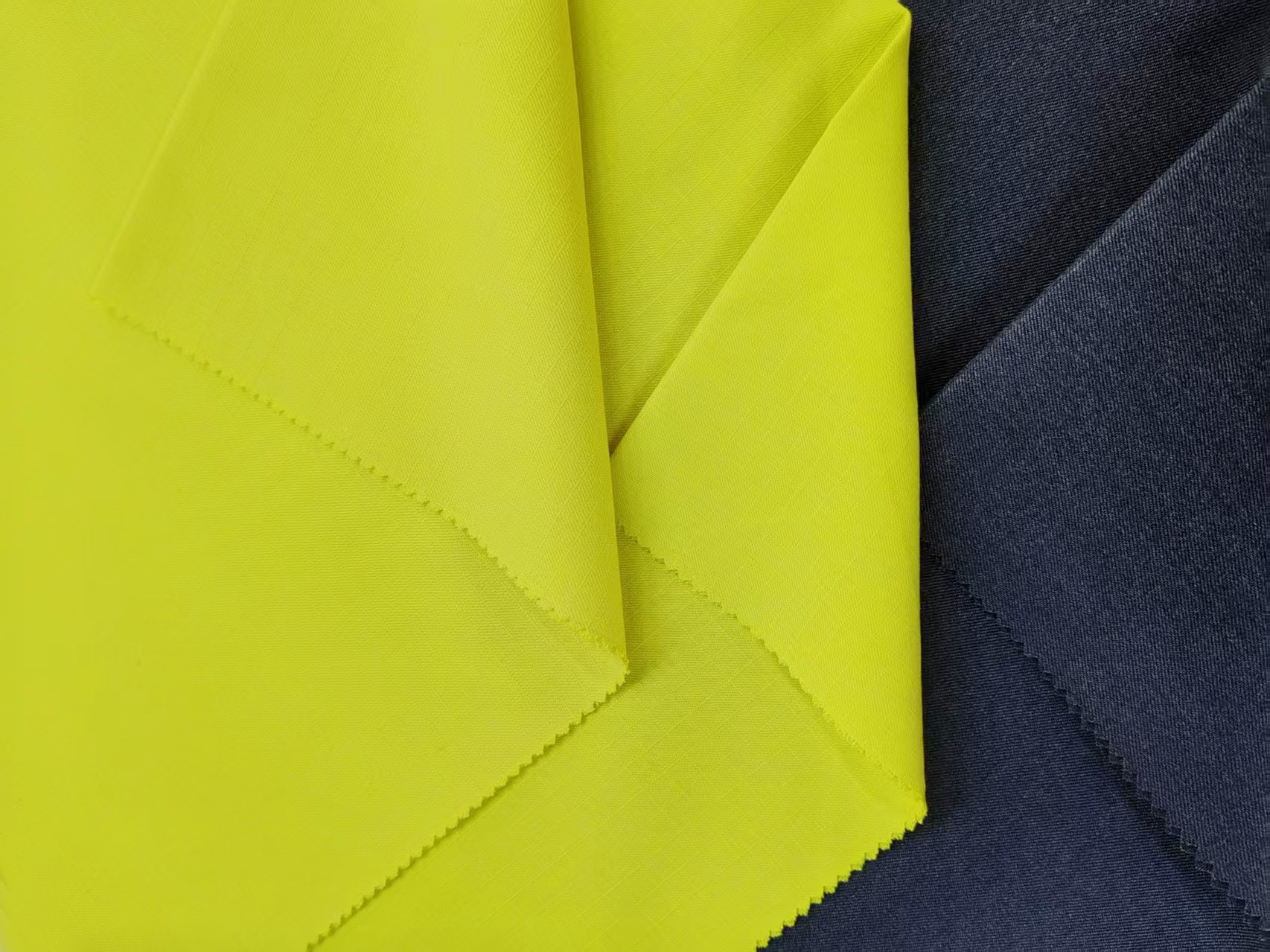
Not all modacrylic is cut from the same cloth. Premium variants start with tighter polymerization controls, yielding fibers that resist heat and flame more uniformly. You can spot the difference in how the material ages—it doesn't develop that telltale brittleness after repeated exposure to industrial laundering, nor does it lose its inherent softness under harsh UV light.
Blending is where the art meets the science. High-tier modacrylic integrates seamlessly with companion fibers like wool or aramid without compromising the fabric's drape or breathability. The real hallmark, though, is the color fastness: where economy grades fade to a chalky hue, premium modacrylic holds deep, vivid shades, even after multiple chemical baths and thermal cycles.
Beyond the lab specs, there's an elusive hand feel that separates the exceptional from the merely compliant. It’s a tactile balance—neither waxy nor overly dry—that signals thoughtful fiber engineering. This nuance translates directly into garments that wearers reach for instinctively, in environments where protection can't come at the cost of comfort.
Supplier Reliability: Beyond the Certificate
A supplier's certificate might shine on paper, but true reliability is forged in the day-to-day grind of real operations. It’s not just about passing an audit once a year; it’s about the consistent, often uncelebrated discipline of meeting deadlines when supply chains buckle and raw materials run late. The difference between a certified supplier and a reliable one often surfaces in how they handle the unexpected—a sudden design change, a spike in demand, or a quality hiccup that slips through a final check. Those moments reveal a partner who takes ownership rather than pointing to a clause in a contract.
Beyond the framed credentials, you’ll find reliability in the depth of a supplier’s communication and their willingness to share what’s not working. A truly dependable partner doesn’t just send a shipment notification; they flag potential disruptions early and offer solutions before you even ask. They invest in their own workforce so that skilled operators aren’t just passing through but are committed to your product’s success. When trust is built on transparent problem-solving rather than glossy brochures, it creates a resilience that no certificate—however thorough—can guarantee on its own.
Ultimately, supplier reliability is a living thing, grown from shared values and mutual accountability. It thrives in the informal check-ins, the collaborative troubleshooting, and the willingness to adapt processes without adding layers of cost. Companies that recognize this move beyond checklist-style compliance and start seeking evidence of a long-term mindset: continuous improvement tracks, unfiltered feedback from their shop floor, and a genuine curiosity about how their outputs perform in the field. That’s the kind of reliability that stays solid long after the audit team has left the building.
Industry-Specific Solutions: Tailoring Modacrylic for Your Needs
Modacrylic fibers aren’t one-size-fits-all, and we know that. Different industries face unique challenges—whether it’s extreme heat in foundries, arc flash hazards in electrical utilities, or chemical exposure in laboratories. That’s why we work closely with manufacturers to engineer modacrylic blends that align perfectly with the specific protective requirements of each sector. From adjusting the fiber’s inherent flame resistance to enhancing its comfort and durability, every parameter is fine-tuned. The result is protective apparel that feels tailor-made, not just a generic safety solution.
In the oil and gas industry, for instance, modacrylic blends are optimized for high-visibility and anti-static properties, crucial for workers navigating risky environments. For military and tactical applications, we prioritize infrared stealth, durability under abrasion, and lightweight breathability without compromising thermal protection. Meanwhile, in the automotive sector, the focus shifts to weld spatter resistance and long-term colorfastness, ensuring workwear withstands thousands of industrial wash cycles. It’s not about a single fiber doing everything—it’s about the right fiber doing exactly what you need.
Beyond technical specs, we also consider the human factor: comfort drives compliance. A garment that’s stiff or irritating won’t be worn properly, no matter how safe it is. So we engineer modacrylic with a soft, cotton-like hand and moisture management that keeps wearers cool and dry, even in demanding conditions. This balance of protection and wearability is what makes industry-specific modacrylic solutions truly effective—designed not just for regulations, but for the people who rely on them every day.
The Hidden Costs of Compromise: Why Quality Matters
Choosing a cheaper option might feel like a win in the moment, but the true price often surfaces later—through frequent repairs, replacements, or missed opportunities. When quality takes a backseat, the initial savings evaporate quickly, leaving behind a trail of frustration and unexpected expenses. It’s not just about money; it’s the time lost dealing with failures and the disappointment of underperformance that compound the real burden.
Beyond the immediate setbacks, compromising on quality erodes trust and tarnishes reputation. Whether it’s a product that falters when needed most or a service that crumbles under pressure, the ripple effects can alienate customers, strain relationships, and invite a cycle of damage control. The invisible cost is the erosion of confidence—once lost, it takes immense effort to rebuild.
In a landscape where short-term gains are often glorified, prioritizing quality is an investment in longevity and peace of mind. It shields you from the domino effect of failures, ensuring that what you deliver stands firm against challenges. Quality isn’t a luxury—it’s the foundation that prevents a patchwork of compromises from becoming an expensive liability.
Building a Long-Term Partnership: Vetting Your Modacrylic Source
Finding a modacrylic supplier isn’t just about checking boxes on a list—it’s about identifying a partner who genuinely understands your production rhythm and quality demands. Look beyond glossy certifications and dig into how they handle the unexpected: a late shipment, a sudden spike in demand, or a subtle shift in fiber properties. A supplier worth committing to will have concrete examples of adapting to challenges without compromising your deadlines or standards. Conversations with their operational team, not just sales, often reveal the real story behind their reliability and problem-solving culture.
Consistency in modacrylic fiber is rarely a one-off achievement; it stems from how a supplier manages variables from raw material sourcing to finishing. Ask for batch-level data over time, not just a single sample report. A supplier that proactively shares trends and takes ownership of minor deviations—rather than explaining them away—shows a partnership mentality. Also, pay attention to their communication style: do they seek to understand why you need certain specifications, or do they simply quote what’s on the data sheet? That curiosity often translates into more responsive collaboration later.
Finally, assess whether your potential source views the relationship as a transaction or an evolving collaboration. A partner invested in your long-term success will suggest alternatives that might improve your end product or reduce hidden costs, even if it means less immediate profit for them. They’ll also be transparent about their own limitations, which is far more valuable than overpromising. Trust grows when both sides see each project as a shared goal, not just a sale—so spend time on site visits and informal discussions to see if that mutual commitment is truly there.
FAQ
Modacrylic is inherently flame-resistant, meaning the protection doesn't wash out or wear away. It also offers good chemical resistance, thermal insulation, and won't melt or drip when exposed to high heat, making it reliable for workwear in hazardous environments.
Ask for certifications like OEKO-TEX or specific flame-resistance test reports. Request samples to feel the hand, check for consistent color and weight, and perform a simple burn test. A trustworthy supplier will have no issue sharing these details.
Inconsistent blends can cause weak spots in finished products, affecting safety and durability. A reliable supplier uses strict quality control so every batch meets your specifications, avoiding production delays or compliance failures.
Inquire about their production capacity, lead times, and minimum order quantities. Ask about their experience with your specific application, whether they provide technical support, and how they handle quality disputes or returns.
Yes, many suppliers offer custom blends, weights, widths, and colors. For example, you might need a soft hand for linings or a stiff finish for outer shells. Clear communication about your end-use helps the supplier tailor the fabric to your needs.
A reliable supplier maintains steady inventory, ships on time, and communicates proactively about any issues. This lets you plan production without interruptions, meet your own deadlines, and build trust with your clients.
Watch for vague certifications, unwillingness to provide samples, extremely low prices that seem too good to be true, poor communication, and a lack of references or industry presence. These red flags often lead to subpar fabric or order problems.
Focus on total value rather than just price per meter. A slightly higher upfront cost can mean fewer defects, longer fabric life, and better after-sales support. Compare multiple suppliers based on their track record and request detailed quotes to see what’s included.
Conclusion
Understanding the true value of modacrylic goes beyond its flame-resistant properties. Premium modacrylic fabrics are defined by consistent fiber blends, superior softness, and lasting colorfastness that don’t compromise protection over time. A reliable supplier doesn’t just hand you a certificate; they demonstrate batch-to-batch uniformity, low shrinkage, and resistance to industrial laundering. When you tailor these fabrics for specific industries—whether protective apparel, upholstery, or filtration—the material must meet distinct technical demands without hidden weaknesses. Compromising on quality might mean a slightly lower price upfront, but it often leads to premature failure, safety risks, and brand damage that far outweigh the savings.
Vetting your modacrylic source means looking for a partner who invests in R&D, understands your end-use, and can supply custom solutions as your needs evolve. A trustworthy supplier provides transparent documentation, technical support, and a stable supply chain—turning a simple transaction into a long-term collaboration. This partnership ensures that every yard of fabric delivers the promised performance, helping you build products that inspire confidence. By focusing on both quality and reliability, you secure a foundation for growth in any market that demands uncompromising safety and durability.
Contact Us
Contact Person: Sandy
Email: [email protected]
Tel/WhatsApp: 86150 8310 5120
Website: https://www.frdrotex.com