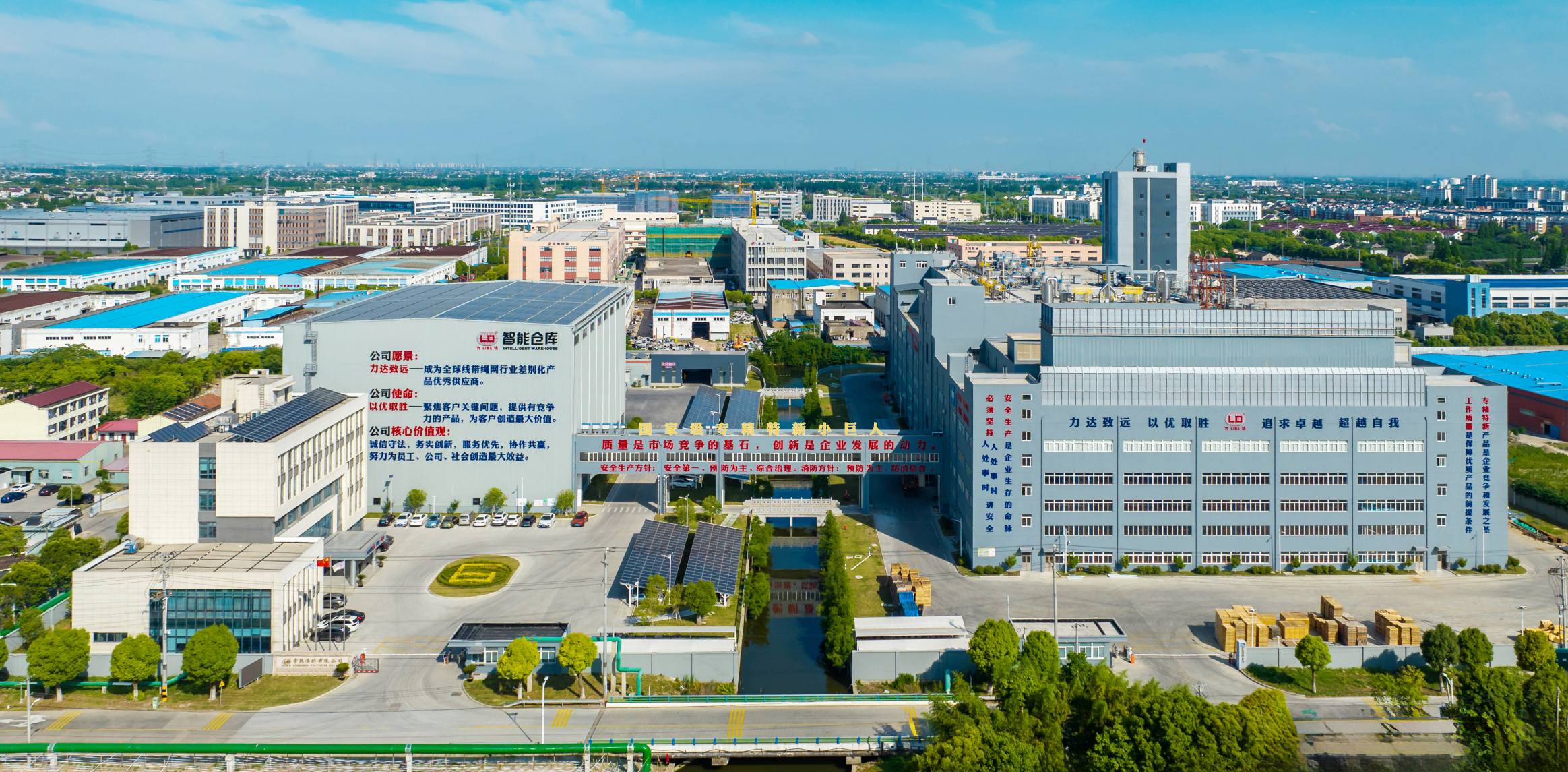

High Tenacity Anti-Fire Nylon 6 Filament Yarn Factory Production Insights
2026-07-08
Exploring the world of high-performance yarns, we turn our focus to the production of high tenacity anti-fire nylon 6 filament yarn—a material that's reshaping safety in textiles. At the heart of this innovation is Changshu Polyester, a factory where advanced engineering meets rigorous quality standards. But what really goes into making a yarn that can withstand extreme conditions without compromising on strength? Join us as we pull back the curtain on the factory floor, revealing the intricate processes and dedication behind every spool.
Inside Advanced Manufacturing of Flame-Resistant Nylon 6 Yarn
Developing flame-resistant nylon 6 yarn requires a delicate balance of chemistry and engineering. Unlike conventional nylon, which fuels combustion, this advanced material integrates halogen-free additives directly into the polymer matrix. During extrusion, precise thermal conditions ensure uniform dispersion of phosphorus-based flame retardants. The challenge lies in preserving the fiber's inherent strength and elasticity while achieving a limiting oxygen index above 30%. Manufacturers leverage twin-screw compounding to create a homogeneous melt, preventing reagglomeration that could compromise both flame resistance and mechanical integrity.
Innovations in melt spinning further refine the yarn's performance. The process employs high-shear spinnerets and controlled quenching to lock the molecular orientation, enhancing tenacity. A specialized drawing stage follows, where the partially oriented yarn is stretched at carefully calibrated ratios. This step not only improves crystallinity but also forces flame-retardant moieties to align along the fiber axis, creating a synergistic effect. The result is a product that chars rapidly upon flame exposure, forming an insulating barrier while maintaining structural stability under extreme heat.
Material Composition and Strength Attributes of High-Tenacity Nylon
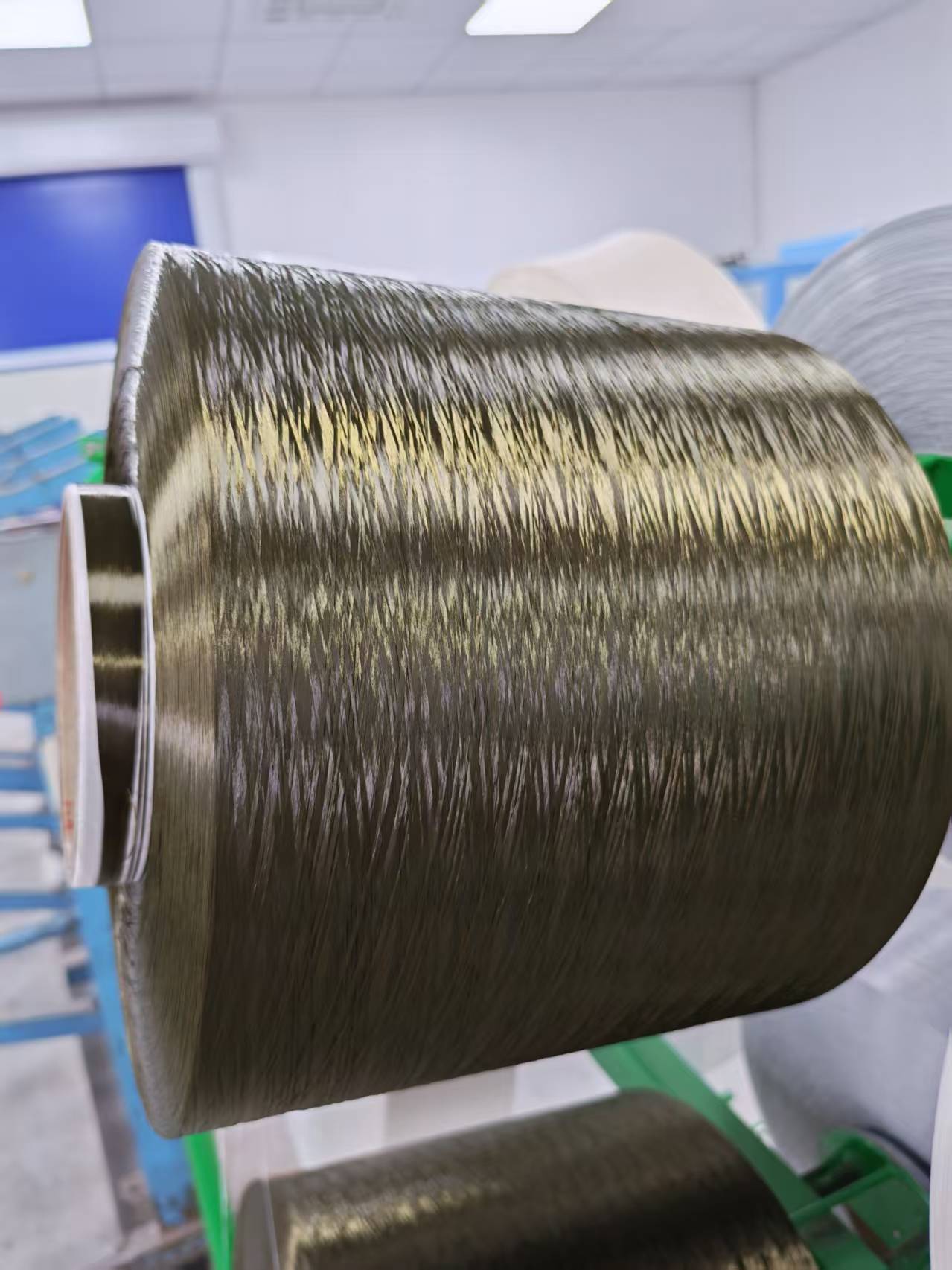
High-tenacity nylon begins with a carefully engineered molecular structure, typically built from polyamide 6 or 6,6 chains that have been oriented and crystallized through controlled drawing processes. This alignment of long-chain polymers results in a material that inherently resists deformation, offering a density of about 1.14 g/cm³ while achieving tensile strengths that can exceed 900 MPa in specialized grades. The composition often includes minimal additives, focusing on the pure resin to maximize intermolecular hydrogen bonding, which directly contributes to its exceptional load-bearing capacity and dimensional stability under stress.
What sets high-tenacity nylon apart is the balance it strikes between strength and suppleness—a trait that comes from a measured ratio of crystalline to amorphous regions in the fiber or sheet. The crystalline zones provide rigidity and high modulus, while the amorphous regions allow for energy absorption and flex without fracturing. This dual-phase structure translates into a material that can withstand repetitive impact and abrasive wear far better than standard polyamides, with elongation at break values often retained in the 15-25% range even as ultimate tensile strength climbs. Its resilience is further enhanced by the ability to maintain these properties across a broad temperature envelope, from sub-zero conditions to elevated service temperatures nearing 150°C.
Practical forms of high-tenacity nylon—whether as multifilament yarns, monofilaments, or molded components—exhibit strength attributes directly tied to processing conditions like draw ratio and heat setting. For example, a typical high-tenacity nylon 6 yarn might register a tenacity of 8.5-10 g/denier, outperforming the 4-6 g/denier range of standard variants. This roughly doubled strength per unit weight makes it a go-to choice for demanding applications such as parachute canopies, heavy-duty webbing, and reinforced industrial fabrics, where material composition is precisely tailored to squeeze maximal performance from every polyamide chain.
Quality Control Measures from Fiber Drawing to Final Spooling
Every stage from the drawing tower to the final winding demands constant monitoring to catch subtle variations before they harden into costly defects. Operators rely on in-line diameter gauges that trigger real-time alarms if the glass filament drifts outside the target range, while precision tension sensors placed just after the cooling tube adjust the draw speed to prevent necking or snapping. These feedback loops run silently in the background, logging thousands of data points per second and allowing the line to self-correct without human intervention.
During coating application, concentricity checks are performed every few minutes rather than waiting for off-line lab results. A high-resolution camera array scans the wet coating as it passes through the die, comparing the position of the core within the cladding against a digital template. Any shift beyond a couple of microns triggers an automatic purge cycle and alerts the shift lead to inspect the die alignment and fluid delivery system before resuming production.
Once the fiber reaches the spooler, proof testing eliminates weak sections that slipped past earlier checks. Instead of a simple tensile test, the latest setups apply a meticulously calibrated burst of stress while simultaneously tracking elongation with interferometric sensors. Spools that show even a hint of anomalous strain are sidelined for forensic analysis—a practice that has cut field failures dramatically. Throughout the process, temperature and humidity in the spooling room are held within a narrow envelope, because static discharge or condensation here can undo all the earlier care.
Performance Benchmarks Under Thermal and Mechanical Stress
Thermal and mechanical stress often act together in real-world applications, pushing materials to their limits. Evaluating performance under these combined conditions requires a careful orchestration of test procedures, ensuring that heat and force are applied in ways that mirror actual usage scenarios. Rather than simply ticking boxes on a datasheet, our benchmarks focus on capturing the subtle interactions that can accelerate degradation or trigger unexpected failures. By studying how thermal cycling affects structural integrity and how sustained loads influence heat dissipation, we gain a clearer picture of long-term reliability.
Standardized tests rarely tell the full story, so we design custom sequences that blend high-temperature soaking with cyclic mechanical loading. This approach uncovers failure modes that conventional methods might overlook—such as creep-fatigue interaction or thermally activated crack propagation. The data collected goes beyond pass/fail criteria, offering insights into how performance drifts over time, a crucial factor for components in automotive, aerospace, and energy systems. Observing these subtle shifts helps engineers refine material selection and design margins without relying on overly conservative assumptions.
One of the most revealing aspects of these benchmarks is the examination of recovery behavior after extreme events. A component might endure a sudden thermal spike coupled with impact loading, and its ability to return to a stable state can be more telling than its initial resistance. By instrumenting test specimens with high-speed sensors and imaging systems, we capture transient phenomena that build a richer narrative of durability. These findings are then distilled into practical guidelines, empowering design teams to make informed trade-offs between performance, weight, and cost while avoiding common pitfalls in accelerated life testing.
Sustainable Practices in Industrial Yarn Production
The shift toward sustainability in industrial yarn manufacturing begins with raw material selection. Many producers now prioritize recycled polyester and regenerated nylon derived from post-consumer waste, such as discarded fishing nets and plastic bottles. These inputs drastically cut energy consumption and greenhouse gas emissions compared to virgin synthetics. Natural fibers like organic cotton, hemp, and bamboo are gaining ground due to their biodegradability and reduced reliance on chemical pesticides. Some mills blend recycled and renewable fibers to balance performance with environmental responsibility, ensuring that strength and durability do not come at the planet's expense.
Water and energy efficiency have become cornerstones of eco-conscious yarn production. Advanced dyeing technologies, including dope dyeing and digital printing, integrate color at the filament stage, eliminating water-intensive post-spinning processes and curbing effluent discharge. Closed-loop water systems enable reuse of up to 95% of process water, while heat recovery units capture thermal energy for preheating or facility climate control. Renewable power sources, such as on-site solar arrays and biomass cogeneration plants, increasingly supply manufacturing energy, helping mills decouple output growth from carbon footprint.
Beyond the production line, yarn manufacturers are embracing circular economy models to tackle textile waste. Take-back programs collect pre- and post-consumer scraps, which are shredded, re-spun, or chemically recycled into high-quality yarns without degradation in properties. Traceability systems, often underpinned by blockchain, allow brands and consumers to verify the recycled content and ethical provenance of each yarn lot. These efforts are complemented by modular plant design that facilitates disassembly and material recovery at the end of machinery life, embedding sustainability into both product and infrastructure.
Real-World Applications Demanding Fireproof Textile Solutions
In industrial environments such as welding shops and foundries, the air is thick with sparks and spatter that can instantly ignite ordinary clothing. Workers in these settings rely on fireproof textiles not just for comfort but for survival. The fabric must withstand repeated exposure to high heat without degrading, offering a barrier that prevents burns even when direct flames lick at the surface. This goes beyond simple fire resistance—the material needs to be durable enough to handle the rough, physical nature of the job while staying breathable during long shifts.
Emergency responders face a different kind of challenge: a fire’s unpredictable fury coupled with toxic smoke. Their gear, from outer shells to moisture barriers, incorporates flame-resistant fibers that do not melt or drip when heated. This prevents the fabric from fusing to skin, a critical detail when every second counts. The inner layers, often overlooked, are just as vital—they wick away sweat while maintaining a thermal shield, allowing firefighters to operate in conditions that would turn standard textiles to ash in seconds.
Beyond personal protection, fireproof textiles shape the safety of public spaces. Consider the curtains in a theater, the upholstery in an airplane cabin, or the carpets in a hotel corridor. These materials must meet stringent building codes that demand they resist ignition and limit flame spread. A stray cigarette or an electrical fault should not cascade into a catastrophe. Here, the textile’s role is passive but profound: it buys precious time for evacuation and prevents a small accident from becoming a disaster. The integration of fireproof fibers into everyday environments remains an understated yet ever-present guardian.
FAQ
It combines exceptional strength with built-in flame resistance, so it doesn't melt or drip under extreme heat—that's a huge safety advantage in sectors like automotive, military, and construction.
They tightly control the polymerization and spinning parameters, run frequent on-line tests for denier and tenacity, and every batch goes through burn tests to confirm the flame-retardant performance is spot on.
Its balance of toughness, elasticity, and cost-effectiveness is hard to beat. Plus, adding flame retardants has become so refined that it often matches pricier options at a fraction of the cost.
The additives can cause spinneret clogging or affect the draw ratio. Factories combat this with optimized additive masterbatches, precise temperature profiles, and regular cleaning cycles to keep the line running smooth.
Absolutely. Most lines offer solution dyeing for deep, permanent colors, and you can tweak the draw ratio to hit anything from standard high tenacity up to super high tenacity specs for demanding uses.
Since the flame retardant is integrated into the polymer matrix rather than just a topical finish, it stays effective through repeated laundering and won't degrade easily under UV or moisture.
Look for ISO 9001 for consistency, along with specific flame-resistance certs like NFPA 701, FMVSS 302, or IMO standards, depending on the end use. A reliable factory won't hesitate to share test reports.
Yes, some advanced lines now use post-industrial or post-consumer recycled nylon 6 chips without sacrificing the flame-retardant or tenacity properties, which is a game-changer for eco-conscious brands.
Conclusion
The production of high-tenacity anti-fire nylon 6 filament yarn begins with a meticulous selection of raw materials, where polycaprolactam is engineered to achieve exceptional tensile strength and flame resistance. Inside state-of-the-art facilities, the polymerization process is tightly controlled to tailor the molecular weight distribution, directly influencing the yarn's durability. After extrusion, the filaments undergo a precise drawing process that aligns the polymer chains, boosting tenacity well beyond standard nylon. Every stage, from initial fiber formation to final spooling, is monitored by automated inspection systems that detect microscopic irregularities in linear density or flaws, ensuring only flawless yarn reaches the market. This strict regimen extends to testing each bobbin for consistent tension and uniform dye uptake, which are critical for downstream processing in textiles.
Under rigorous thermal and mechanical stress simulations, the yarn demonstrates remarkable resilience, retaining structural integrity even when exposed to direct flame or sustained loads. Its char-forming mechanism prevents melting and dripping, a vital safety feature for protective apparel. Moreover, the factory has integrated sustainable practices by recycling process water, recovering waste heat, and reprocessing off-spec material back into the production cycle. These efforts reduce the overall carbon footprint without compromising quality. End-users ranging from military gear manufacturers to industrial safety harness producers rely on this yarn for applications that demand uncompromising fire protection, such as firefighter uniforms, welding blankets, and aerospace insulation. The fusion of advanced engineering, stringent quality control, and environmental consciousness makes this filament yarn a cornerstone of modern fire-resistant textile solutions.
Contact Us
Contact Person: CONNIE
Email: [email protected]
Tel/WhatsApp: 86-0512-53671634
Website: https://www.lida-yarn.com/