

Fully Automatic Paper Bag Machine: Top Choices for High-Speed Packaging
2026-11-16
Speed is no longer a luxury in paper bag production—it's the baseline. As demand for eco-friendly packaging surges, processors are under pressure to deliver more bags per minute without sacrificing seal quality or dimensional accuracy. Fully automatic paper bag machines have stepped up to meet that challenge, but not all are built the same. ROKIN is one name that consistently appears in discussions of high-speed, high-precision bag making, and for good reason. In the sections ahead, we'll explore the key features that separate top performers from the rest, and how the right machine can transform your packaging line.
What Fully Automatic Actually Means on the Floor
Fully automatic on paper usually means press a button and walk away. On the floor, it means the machine has to deal with the chaos you didn't bother to pick up: a sock half under the sofa, a charging cable snaked across the hallway, crumbs scattered under the dining table. Most robots still choke here. The ones that don't aren't just following a map—they're reading the room in real time, adjusting suction or mopping pressure when they hit a sticky patch, and backing out of tight corners without dragging the cable along.
But real autonomy is less about fancy sensors and more about trust. You notice it when the robot empties its own bin, washes its own mop, and goes back to the dock without you having to flip it over. It's the difference between a gadget that still needs a babysitter and a tool that quietly finishes the week's floors while you're doing something else. On the floor, that's the only definition that matters.
Tuning Speed Without Breaking the Paper
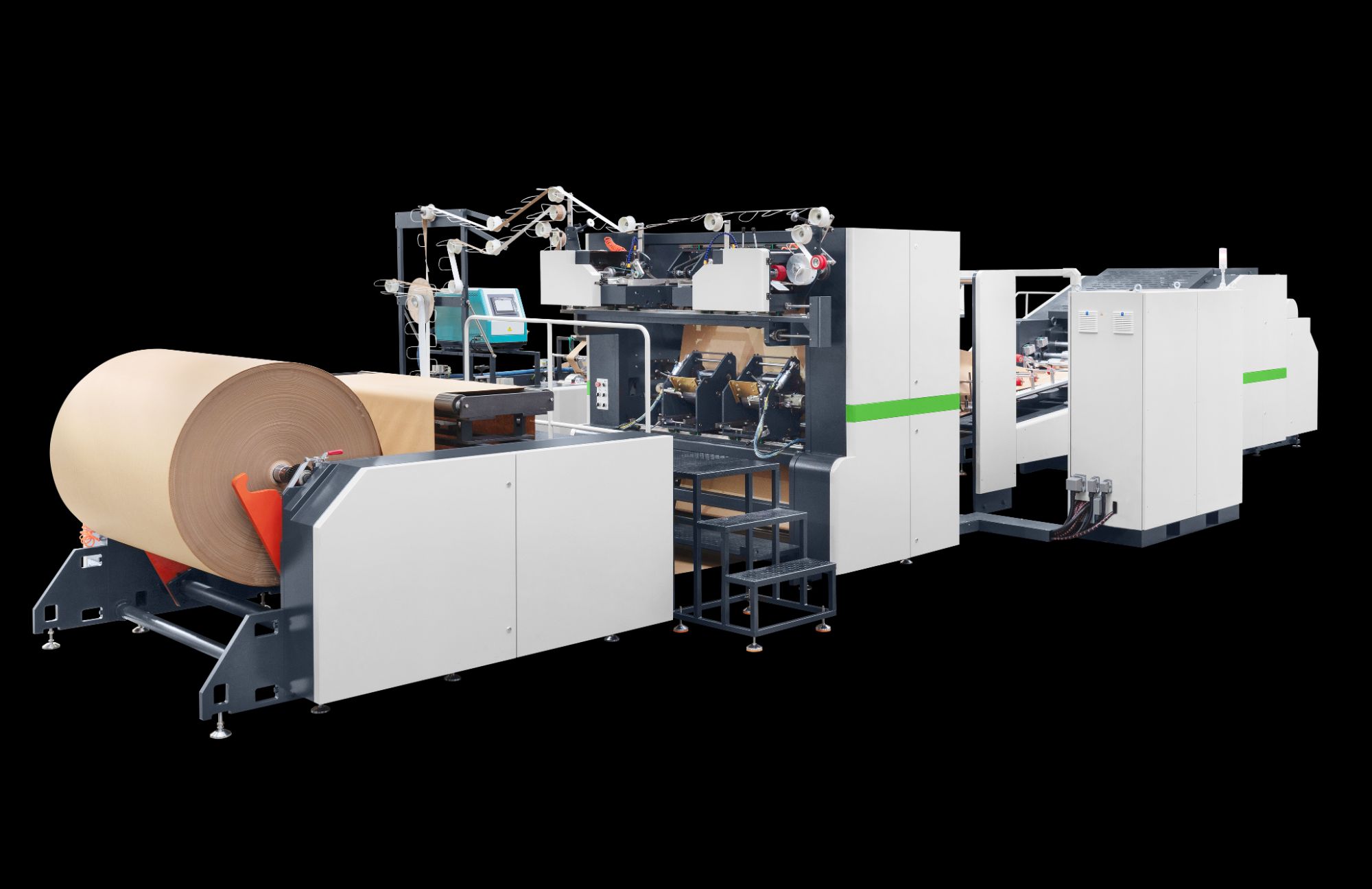
The usual trade-off people accept is that pushing a machine faster means more jams, more torn sheets, and more downtime. That assumption falls apart once you stop treating speed as a blunt setting. Instead of simply cranking up the feed rate, look at how the sheet enters the mechanism. A slight reduction in nip pressure on the intake rollers, combined with a more gradual acceleration curve, often lets you run the same paper stock at noticeably higher speeds without edge damage. The key is decoupling throughput from impact force.
Paper behavior changes with humidity, weight, and grain direction, so a fixed speed profile will always be a compromise. A better approach is to run a short calibration sequence after each stock change. Feed ten sheets at the current speed, then increase in small increments while watching the trailing edge. If you see micro-tears or hear a sharp snap as the sheet releases, back off by two or three percent. That margin usually eliminates breakage while keeping the cycle time close to the original target.
Another overlooked factor is the exit path. Many machines slow down not because of the printing or folding unit but because the output stacker can't clear sheets quickly enough. Adjusting the stacker's kicker timing or adding a slight downward angle to the output tray can prevent pile-ups that force the operator to reduce speed. Once the entire path—infeed, processing, outfeed—is tuned as a system, you'll find the real speed limit is often higher than the manufacturer's conservative default.
Cutting Waste with Precision Glue Application
On many packaging lines, adhesive waste hides in small excesses—overflow at flap edges, tail strings, broad swaths where a fine bead would do. Precision application starts by matching nozzle type, temperature, and pressure to substrate absorbency and line speed, so glue lands only where bonding actually happens. This shifts the goal from covering everything to placing just enough in the right spot, cutting grams per carton without weakening the seal.
A bigger source of waste is downtime caused by messy equipment. Poorly adjusted slot coaters smear glue onto conveyor belts, sensors, and cutting blades, leading to jams and frequent cleaning stops. Narrow-pattern tips or micro-dispensing valves, with pulse timing tuned to board pitch, keep adhesive inside the bond zone and off machine surfaces. The result is a cleaner line, less scrap, and fewer shutdowns that eat into production time.
Even small reductions compound quickly. Plants that trim 0.2–0.4 grams per package often cut adhesive spend by double digits while also lowering cleaning solvent use and rejected product. The real lever is not a more expensive glue but tighter control over where, when, and how much is applied.
Operator Training for High-Speed Lines
Training operators for high-speed rail isn't about memorizing a thick manual anymore. It's built around split-second decisions at 300 km/h, where the margin between routine and emergency can be under a second. Simulators now replicate everything from tunnel pressure waves to sudden crosswinds, so trainees feel the same physical jolt before they ever leave the classroom.
What surprises many newcomers is how much of the job hinges on reading the line ahead through instruments rather than eyesight. A signal can flash past in a blink. That's why instructor-led debriefs focus less on what went wrong and more on what the operator noticed, missed, or assumed. Those quiet moments of reflection often matter more than the hours spent in the seat.
The best programs avoid checklists that only test memory. Instead, they throw curveballs: a door fault combined with a late platform change, or degraded braking on a downhill stretch. Operators learn to prioritize, not just react. That shift in mindset is what separates a licensed driver from someone who can simply follow commands.
Voltage Stability and Its Effect on Output
A stable voltage rail does more than prevent shutdowns; it sets the ceiling for how clean an output waveform can be. Small drifts in supply voltage shift bias points in amplifiers, alter switching thresholds in converters, and introduce low-frequency wander that shows up as flicker or audible hum in end equipment. The connection is direct: any deviation at the input appears proportionally at the output, often worse after passing through nonlinear stages.
Sagging rails under load are especially troublesome because they couple the output to demand in ways that feel unpredictable. A motor startup or sudden current draw can pull the supply down just enough to push a regulator out of its sweet spot, producing transient overshoot or ringing. Over time, repeated excursions wear down feedback-loop margins, leading to intermittent instability that no amount of output filtering fully hides.
After-Sale Support for Continuous Operation
Real after-sale support means keeping your operations running long after the purchase. We monitor equipment performance remotely, flag early signs of wear, and schedule maintenance before small issues turn into costly downtime. When a problem does arise, our local response teams can often arrive with the right spare parts on the same day.
Beyond breakdowns, we focus on prevention. Our engineers work with your team to build a maintenance calendar that fits your production cycles, and we offer hands-on training so your staff can handle routine checks confidently. This reduces surprises and extends the life of every machine.
As your needs evolve, we stay involved—reviewing usage data, recommending efficiency upgrades, and adjusting support plans. The goal is simple: uninterrupted operation, month after month, without you having to chase us for help.
FAQ
A fully automatic system removes the need for manual feeding and gusseting adjustments. It pulls from a continuous roll, forms the bag, handles bottom patching, and stacks output at rates that often exceed 800 bags per minute. Semi-automatic machines still rely on an operator for material alignment or bag transfer, which creates bottlenecks when demand spikes.
Many mid-range models handle 400-700 bags per minute for standard flat-bottom or satchel styles. Premium machines with rotary cutters and twin forming cylinders can top 1,000 bags per minute, but real throughput depends on paper GSM, print registration, and how quickly the stacking unit can clear finished bags.
It's often the first failure point. Look for a system that applies patch paper with precise thermal or cold glue timing, rather than relying on pressure alone. Machines with auto-correcting patch alignment can avoid jams at high speed and reduce wasted material.
Yes, modern designs use servo motors and touchscreen presets. Changing from a small bread bag to a large grocery sack might take 15-30 minutes on a good machine, but older mechanical cam systems may require hours and special tools.
Most are optimized for 40-120 GSM kraft, recycled, or coated paper. Heavier stocks above 120 GSM slow down the forming cycle and increase wear on creasing tools. Lightweight papers below 35 GSM tend to tear during vacuum transfer, so a machine with adjustable suction and sonic sealing is worth considering.
Daily cleaning of glue applicators and photoelectric sensors is non-negotiable. Weekly tension checks on forming belts and monthly lubrication of cam followers prevent drift. Many manufacturers also recommend replacing rotary knives every 500,000 bags or when cut edges show burring.
Usually not, unless the run length exceeds 50,000 bags per size change. The setup and cleaning time between different materials can eat into savings. For short runs, a semi-automatic or hand-fed machine often makes more sense because labor cost is lower than automation amortization.
Inline printing, handle attachment, and automatic stack bundling add real value. Also consider a reject gate for misaligned bags, which prevents defective products from reaching the packing line, and a vibration-free base that reduces noise and prolongs bearing life.
Conclusion
On a busy converting floor, “fully automatic” means more than a button press. The best high-speed paper bag machines handle roll feeding, tube forming, cut-off, bottom folding, gluing, and delivery without constant operator correction. Getting there takes careful speed tuning, not just bigger motors. Servo-driven draw rollers and adjustable vacuum belts keep the paper web stable as acceleration rises. If tension is too tight, the sheet snaps; too loose, registration shifts. Precision glue application matters just as much. A closed-loop gluing system applies adhesive only where the bottom fold meets, reducing squeeze-out and trimming waste. Those small savings add up when a line runs three shifts.
Operators still make the difference. Training on rapid roll changes, jam clearing, and recipe switching prevents most downtime on high-speed lines. A crew that understands the machine’s timing can catch a dull blade or dirty sensor before it becomes scrap. Voltage stability is often overlooked but directly affects output. Fluctuations cause servos to hunt and heaters to drift, leading to weak seals or misaligned prints. Installing a line reactor or voltage stabilizer keeps cycle times consistent. Finally, after-sale support separates a top choice from an expensive standstill. Look for suppliers with local spare parts, remote diagnostics, and clear maintenance schedules. Continuous operation depends on fast recovery, and the best machines are backed by teams that treat a 2 a.m. call as normal.
Contact Us
Contact Person: CARA
Email: [email protected]
Tel/WhatsApp: +8619519778302
Website: https://www.rokinmachinery.com