

Custom Plastic Packaging: Unlocking Unique Branding and Protection
2026-07-25
Imagine your product arriving in the hands of a customer, not just protected, but presented in a way that instantly elevates your brand. That’s the power of custom plastic packaging—a blend of functional durability and tailored design that turns ordinary shipments into memorable unboxing experiences. While standard packaging often fades into the background, bespoke plastic solutions command attention, safeguard your goods, and whisper your brand story with every curve and cut. At Sanrong Packaging, we know that the right packaging doesn’t just protect—it persuades. But what really goes into crafting a package that balances creativity with resilience? And how can a seemingly simple material become your silent salesperson? Read on to uncover the secrets of custom plastic packaging that truly set you apart.
Tailor-Made Plastic Packaging: Beyond Basic Protection
When plastic packaging steps beyond shielding products from bumps and scratches, it becomes a silent brand ambassador. Custom dimensions, unusual structural features, and clever material choices can transform a simple container into a memorable unboxing moment. Instead of settling for stock solutions, designers now engineer packaging that cradles the product in ways that hint at what’s inside, sparking curiosity even before the customer peels back the seal.
Material innovation plays a huge role in this evolution. Soft-touch finishes, translucent colorants, and lightweight yet rigid compounds give packaging a tactile personality that standard options simply can’t match. Some designs incorporate living hinges that snap with a satisfying precision, while others use flexible films that feel almost fabric-like. These details might seem small, but they collectively redefine a package from a disposable wrapper into an extension of the product itself.
Functionality also keeps expanding in unexpected directions. Re-closable spouts on stand-up pouches, modular dividers that adapt to component changes, and peel-and-reseal labels all add practical value that goes far beyond keeping items intact. By thinking of the package as a tool rather than just a barrier, manufacturers give end users reasons to interact with the packaging long after the initial purchase, strengthening brand recall in subtle yet persistent ways.
How Custom Shapes Spark Brand Recognition Instantly
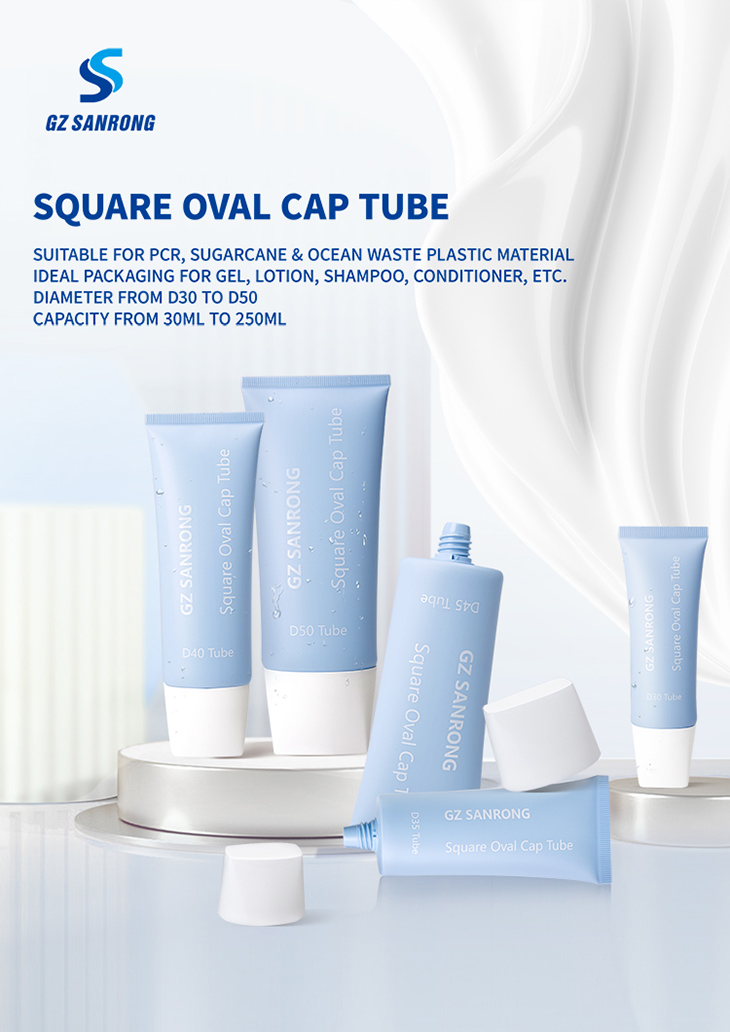
A brand’s silhouette alone can trigger instant recall—think of the unmistakable contour of a classic glass bottle or the sweeping curves of a luxury car. Custom shapes break the mold of generic rectangles and circles, embedding identity into physical form. When a product’s outline becomes synonymous with the brand itself, recognition happens in a split second, long before a single word or logo is registered. This visual shorthand taps into the brain’s pattern-matching machinery, forging a link between shape and story that sticks.
Shape recognition operates beneath conscious thought, making it a potent tool for standing out in crowded markets. By designing packaging, products, or icons with distinctive geometry, companies create a sensory signature that travels across cultures and languages. A uniquely contoured bottle on a shelf or an app icon with an unconventional edge catches the eye more effectively than a sea of sameness. Over time, these forms become mental shortcuts, allowing customers to identify favorites at a glance and reinforcing loyalty through sheer familiarity.
The real magic of custom shapes lies in their ability to evoke emotion and narrative without exposition. A rugged, angular profile might suggest strength, while soft, organic curves whisper approachability. When design choices mirror a brand’s core values, every interaction reinforces the intended message. This seamless blend of aesthetics and association transforms everyday objects into ambassadors of identity, sparking recognition that feels intuitive rather than manufactured.
Material Choices That Balance Strength and Sustainability
Designing for strength while genuinely caring for the planet has become a quiet obsession in modern material science. It’s no longer about simply picking the strongest metal or the cheapest plastic—now, we look for materials that can bear heavy loads, resist wear, and still decompose or be recycled gracefully when their job is done. Think of engineered bamboo composites, which rival steel in tensile strength but grow back in a fraction of the time, or algae-based bioplastics that offer surprising durability without lingering in landfills for centuries.
Getting this balance right means questioning every assumption about what “strong” actually means. Sometimes strength comes from clever geometry rather than brute mass, or from hybrid materials that layer a tough, renewable fiber over a lightweight recycled core. The real art lies in understanding the entire lifecycle: a material might be incredibly robust in use, but if its extraction scars landscapes or its disposal releases toxins, it fails the sustainability test. That’s why architects and product designers are increasingly drawn to things like mycelium composites, which can be grown into precise shapes, are surprisingly resilient, and return to the soil as harmless organic matter.
The most successful choices often come from listening to the context—what works for a coastal boardwalk might be all wrong for a desert shelter. Local sourcing can slash transportation emissions while tapping into materials that have already proven themselves in that climate. Field testing matters more than lab numbers; seeing how a naturally treated timber holds up after five seasons of rain and sun tells you much more than a standardized strength rating. Ultimately, picking materials that balance strength and sustainability feels less like a technical checklist and more like matching a personality to a place, finding that rare combination of resilience, beauty, and respect for the living world.
Design Techniques That Make Unboxing an Experience
Ever notice how the slow tear of a perforated seal instantly builds anticipation? That deliberate pause isn’t accidental—it’s a design choice that transforms a routine task into a moment of discovery. By adding subtle friction, like a ribbon that needs to be pulled or a cleverly hidden opening mechanism, you invite the user to slow down and savor each step. The packaging itself becomes a storyteller, hinting at what’s inside without revealing everything at once. Layers of tissue, custom inserts, and tactile materials work together to delay gratification just enough, making the final reveal feel earned rather than rushed.
Texture plays a bigger role than most realize in shaping that first physical encounter. A matte finish with a spot of gloss, a soft-touch coating, or an unexpected material like cork or fabric signals quality long before the product is seen. When every surface feels intentional—from the outer box to the inner tray—the brain connects that sensory pleasure to the brand itself. Even the sound matters: a magnetic closure that snaps shut with authority, or a gentle rustle as tissue paper unfolds, creates an acoustic signature that’s surprisingly memorable. These sensory cues don’t just decorate the experience; they build a subconscious narrative around the product’s value.
Small, unexpected touches can turn a box into a keepsake. Maybe it’s a hidden message printed on the underside of a flap, a reusable pouch that serves another purpose, or a cleverly designed insert that transforms into a phone stand. When the packaging has a second life, it lingers in the user’s space, quietly reinforcing your brand for weeks or months. The goal is to create a moment of genuine delight—something so thoughtful that the recipient feels compelled to share it. That instinct to snap a photo or show a friend doesn’t come from flashy logos; it comes from design that respects the user’s intelligence and celebrates the act of opening as part of the gift itself.
Cost-Effective Custom Tooling for Small to Medium Batches
Traditional custom tooling often comes with a hefty price tag that only makes sense for massive production runs. For small to medium batches, the key is to rethink the approach entirely. Instead of pouring money into hardened steel molds meant for millions of cycles, we focus on modular designs, rapid prototyping materials, and processes that slash upfront costs without sacrificing part quality. This shift in mindset opens the door for businesses that need flexibility, not a lifetime commitment to a single design.
One practical strategy involves using hybrid tooling, combining 3D-printed cores and cavities with off-the-shelf mold bases. This reduces both lead time and expenditure, often bringing tooling costs down by 60-70% compared to conventional machining. For urethane casting or low-pressure injection molding, silicone or aluminum tools can be produced in days rather than weeks, letting you iterate quickly or respond to market demand without breaking the bank. It’s about matching the tooling life to the actual production volume, rather than over-engineering from the start.
Another angle is leveraging soft tooling and bridge production methods during the ramp-up phase. This allows you to test the waters with a few hundred parts, gather real-world feedback, and then decide whether to scale up or pivot. By postponing heavy investments until demand is proven, you avoid the trap of sinking capital into tools that might end up gathering dust. The result is a leaner, more responsive manufacturing setup that aligns costs with actual needs, making custom parts accessible even for niche products or seasonal runs.
Future-Proofing Products with Adaptive Packaging Solutions
Adaptive packaging isn't just about adjusting box sizes—it's a mindset that keeps products relevant as markets shift. Brands now embed flexibility into the design itself, using modular inserts or resealable formats that can be updated without overhauling the entire line. This approach reduces waste and allows for quick iterations, whether it's a new flavor launch or a seasonal rebrand. Instead of static containers, companies treat packaging as a living system that evolves alongside consumer habits and supply chain realities.
The real power lies in materials that react to their environment. Imagine a label that changes color when a product is near expiry, or a film that adjusts permeability based on humidity. These smart touches aren't gimmicks—they extend shelf life and build trust. By integrating such features early, products can navigate regulatory changes or unexpected logistics hurdles without a complete redesign. It's about building in resilience so the packaging remains functional and appealing no matter what the future brings.
FAQ
It turns a simple container into a memorable brand touchpoint. With tailored shapes, colors, and textures, your product stands out instantly on crowded shelves, creating a visual connection that off-the-shelf options can't match.
By engineering the design to cradle your specific item, it minimizes movement and absorbs shocks. Unlike generic boxes, it can include custom inserts, reinforced corners, or cushioning that fits perfectly, reducing damage and returns.
Absolutely. Modern options include recycled materials, bio-based plastics, and designs that use less material without compromising strength. It's about smart engineering that reduces waste and carbon footprint while maintaining protective qualities.
Design transforms a routine action into a brand moment. From easy-open features to hidden messages inside the lid, every detail can surprise and delight customers, encouraging social sharing and repeat purchases.
It can be, especially with advances in digital printing and low-volume molding. Rather than buying in bulk, many suppliers now offer short runs that let small brands access premium-looking packaging without huge upfront investment.
Start with a clear brand guide, then work with designers to translate key elements—like logos, color palettes, and values—into the packaging structure and graphics. Prototypes and samples help refine until it feels like a natural extension of your brand.
While any product can benefit, industries like beauty, food, electronics, and pharmaceuticals see huge gains. These sectors often require precise protection, compliance with safety standards, and strong visual appeal to influence buyer decisions.
When packaging feels thoughtful and premium, it creates a positive emotional response. Customers associate that quality with your brand, making them more likely to repurchase, and they often keep reusable containers, keeping your brand in sight daily.
Conclusion
Custom plastic packaging does far more than shield products during transit—it serves as a tactile brand ambassador the moment a customer lays eyes on it. By moving beyond generic boxes or clamshells, brands can leverage unique shapes, textured surfaces, and clever structural elements to stand out on crowded shelves. A memorable silhouette or an unexpected opening mechanism can imprint a brand’s identity instantly, often before the logo is even processed. Thoughtful design turns unboxing into a sensory journey: the soft snap of a precision fit, the reveal of a product framed by custom contours, or a layered presentation that builds anticipation. These details communicate quality and care, forging an emotional connection that static packaging simply cannot achieve.
Behind this tailored experience lies a careful selection of materials and manufacturing methods. Modern polymers allow for a balance between durability and environmental responsibility, with recycled content, bio-based resins, and lightweighting strategies reducing a package’s footprint without sacrificing strength. For smaller production runs, advances in rapid tooling and modular mold systems have made custom solutions accessible and affordable, removing the barrier once posed by high upfront costs. Furthermore, adaptive packaging designs incorporate features like reusable closures or expandable compartments, helping products stay relevant longer and adapt to evolving consumer needs. This holistic approach ensures that packaging not only protects and promotes but also aligns with a brand’s long-term vision.
Contact Us
Contact Person: Alex Wu
Email: [email protected]
Tel/WhatsApp: 86-20-37965868
Website: https://www.gzsanrong.com/en.html