
Complete Rolling Mill Lines: Essential Factory Equipment for Modern Metal Production
2026-03-11
In the fast-paced world of modern metal production, efficiency and precision are paramount. The backbone of this industry lies in advanced machinery, with complete rolling mill lines standing out as the essential equipment that shapes metals into the products we rely on daily. This blog post delves into the critical role of these systems, exploring how they drive innovation and productivity. At GRM, we specialize in designing and implementing these cutting-edge lines, ensuring they meet the rigorous demands of today's factories. Join us as we uncover the technology behind seamless metal processing and how it fuels industrial progress. Dive in to learn how investing in the right equipment can transform your operations and set you ahead of the curve.
Steel Forming with Precision: Rolling Mill Line Essentials
Precision in steel forming hinges on the seamless integration of advanced rolling mill lines, where every component—from entry conveyors to final cooling beds—operates in harmony to achieve tight tolerances and consistent quality. Modern systems leverage automated controls and real-time monitoring to adjust parameters like temperature and pressure, ensuring each steel sheet or profile meets exact specifications without costly rework.
Key essentials include robust roll stands designed for high durability and minimal deflection, paired with sophisticated lubrication systems that reduce friction and wear. These elements work together to enhance surface finish and dimensional accuracy, making the mill line not just a production tool but a cornerstone of reliable manufacturing in industries from automotive to construction.
By focusing on energy-efficient drives and adaptive feedback loops, rolling mill lines can adapt to varying steel grades, maximizing output while minimizing waste. This adaptability transforms precision from a static goal into a dynamic process, empowering manufacturers to respond swiftly to market demands without compromising on quality.
Innovative Design for High-Speed Custom Metal Production
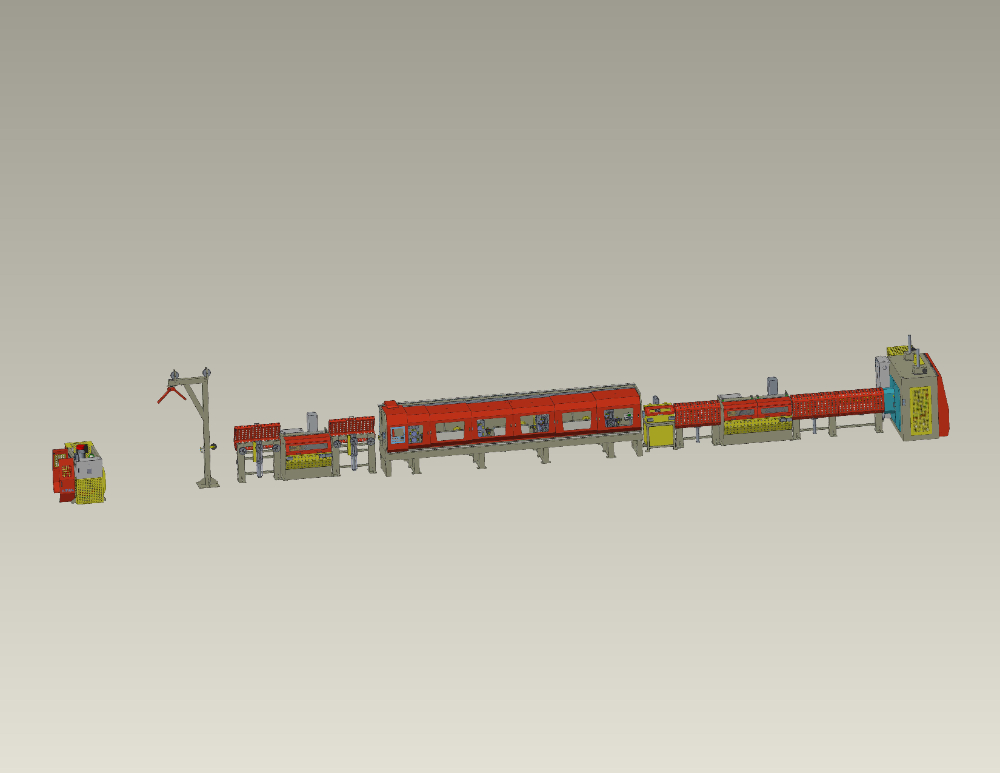
Our approach to high-speed custom metal production breaks away from traditional methods by integrating advanced computational modeling and agile manufacturing systems. This allows us to swiftly adapt to client specifications while maintaining precision and reducing lead times. By leveraging proprietary algorithms, we optimize material usage and tool paths, ensuring each fabricated piece meets exacting standards without compromising on speed.
Key to this innovation is the seamless synergy between automated robotics and real-time quality control mechanisms. We employ AI-driven sensors that continuously monitor production parameters, instantly detecting and correcting deviations. This not only accelerates throughput but also enhances consistency across batches, offering clients a reliable and efficient solution for custom metal parts that was previously unattainable in the industry.
Furthermore, our design philosophy emphasizes sustainability alongside speed. We utilize energy-efficient processes and recycled materials where feasible, minimizing waste and environmental impact. This holistic approach sets us apart, delivering high-speed custom metal production that is not only faster and more accurate but also more responsible, catering to the evolving demands of modern manufacturing sectors.
Durable Equipment That Boosts Factory Efficiency and Output
Investing in durable equipment isn't just about avoiding breakdowns—it's a strategic move that transforms factory operations. High-quality, robust machinery minimizes unplanned downtime, ensuring production lines keep humming even under intense schedules. This reliability allows managers to plan with confidence, allocate resources efficiently, and meet tight deadlines without last-minute scrambles. Over time, this translates to a smoother workflow where every piece of equipment works in harmony, reducing bottlenecks and maximizing throughput.
Beyond preventing interruptions, durable tools often come with advanced features that elevate output quality. For instance, precision-engineered CNC machines or automated assembly units maintain consistent performance, cutting down on defects and material waste. This means fewer reworks and a higher yield of market-ready products, directly boosting factory output while keeping costs in check. Workers can focus on optimization rather than troubleshooting, fostering an environment where continuous improvement becomes the norm.
Ultimately, choosing durable equipment pays dividends in long-term efficiency and sustainability. These robust systems typically have longer lifespans and require less frequent replacements, reducing capital expenditure over the years. They also adapt better to evolving production needs, securing a competitive edge by future-proofing operations. In a fast-paced industry, this resilience isn't just an advantage—it's the foundation for growth and innovation.
Advanced Technology in Modern Rolling Mill Configurations
Modern rolling mills have undergone a significant transformation, with advanced technologies enabling higher precision, efficiency, and adaptability. Innovations in automation and control systems, such as AI-driven real-time monitoring, allow for precise adjustments to rolling parameters on the fly, minimizing material waste and optimizing output quality. These systems integrate seamlessly with hydraulic and electric drives, ensuring consistent performance across diverse production runs, from heavy-duty steel plates to delicate aluminum foils.
Another key advancement lies in the adoption of smart sensors and IoT connectivity, which provide granular data on equipment health and process dynamics. By leveraging predictive analytics, mills can anticipate maintenance needs and prevent costly downtime, while adaptive roll gap control enhances dimensional accuracy in finished products. This technological synergy not only boosts throughput but also supports sustainable practices by reducing energy consumption and emissions, aligning with evolving industry standards.
Furthermore, the integration of additive manufacturing and modular design principles has revolutionized mill configurations, allowing for customized setups tailored to specific materials and production goals. These flexible systems facilitate rapid reconfiguration for small-batch orders or experimental alloys, fostering innovation in metallurgy. As a result, modern mills are not just processing hubs but dynamic ecosystems that drive competitiveness in global markets through continuous improvement and technological prowess.
Enhancing Quality Control Across Metal Manufacturing Processes
Improving quality control in metal fabrication demands more than just routine checks; it involves integrating innovative technologies like real-time monitoring systems and advanced sensors. These tools help detect deviations early, ensuring materials meet rigorous standards from casting to finishing.
By adopting data-driven approaches, manufacturers can analyze process variables to reduce waste and enhance consistency. This proactive strategy not only boosts product reliability but also cuts costs by minimizing rework and scrap.
Ultimately, a robust quality control framework fosters continuous improvement, keeping companies competitive in a fast-paced market while meeting evolving customer expectations for precision and durability.
Tailored Solutions for Diverse Industrial Applications and Needs
One of the key strengths of Tailored Solutions for Diverse Industrial Applications and Needs lies in their adaptability to unique operational contexts. Instead of offering one-size-fits-all approaches, they prioritize understanding specific challenges such as varying production scales, regulatory environments, and resource constraints. For example, a manufacturing plant might require custom automation systems that integrate seamlessly with existing legacy equipment, while a pharmaceutical facility could need specialized solutions for maintaining strict hygienic standards. By designing with these nuances in mind, these solutions ensure that each industry can operate more efficiently and sustainably, addressing its distinct pain points without compromising on performance or compliance.
Moreover, Tailored Solutions enhance innovation by fostering collaboration between technical experts and end-users. This interactive process often leads to breakthroughs in areas like energy management or waste reduction, which are critical for modern industries facing pressure to reduce their environmental footprint. In the renewable energy sector, for instance, custom-engineered components can optimize power generation from sources like solar or wind, adapting to local climatic conditions. Similarly, in logistics, tailored software platforms might streamline supply chains by predicting disruptions and automating routing decisions. Such innovations not only boost productivity but also create competitive advantages, allowing businesses to stay ahead in rapidly evolving markets by leveraging solutions that are uniquely suited to their operational landscapes.
Ultimately, the value of Tailored Solutions extends beyond immediate technical gains to long-term strategic benefits. They empower industries to scale operations flexibly, respond to market shifts, and integrate emerging technologies like AI or IoT without extensive overhauls. Whether it's a small agricultural producer implementing precision farming tools or a large aerospace company developing advanced materials, these customized approaches ensure that solutions grow alongside the businesses they serve. This fosters resilience and adaptability, making Tailored Solutions not just a service but a strategic partnership that drives continuous improvement and success across diverse industrial landscapes.
FAQ
A complete rolling mill line is an integrated system of machinery that processes metal slabs or billets into finished products like sheets, strips, or bars through rolling. It's called 'essential' because it enables high-volume, precise shaping crucial for industries from automotive to construction, making modern metal manufacturing efficient and scalable.
Modern lines incorporate automation, like computer-controlled rolling and real-time monitoring, which reduces manual labor and errors. They also feature advanced cooling and finishing systems that speed up production and enhance metal quality, leading to higher output with less waste.
Key components include a furnace for heating metal, roughing and finishing stands for shaping, cooling beds for temperature control, and coiling or shearing units for final products. Each part ensures smooth transitions, maintaining consistency and strength in the metal throughout the process.
They're versatile and can be tailored for various metals such as steel, aluminum, and copper. Adjustments in settings like temperature and pressure allow customization, making these lines adaptable to diverse production needs without major overhauls.
Recent innovations include AI-driven predictive maintenance to prevent downtime, energy-efficient designs that cut costs, and enhanced sensors for better quality control. These advancements aim to boost sustainability and precision in metal production.
By optimizing material usage and reducing scrap, they lower raw material costs. Energy-efficient systems and recycling capabilities minimize environmental impact, while automation reduces operational expenses, aligning with eco-friendly and economical goals.
Challenges include high initial investment and the need for skilled operators. Solutions involve phased implementation, training programs, and partnering with suppliers for support, ensuring a smooth transition and long-term reliability.
They're widely used in automotive, aerospace, and construction for parts like car bodies and structural beams. Their products are preferred due to consistent quality, durability, and the ability to meet strict industry standards efficiently.
Conclusion
Complete rolling mill lines represent the cornerstone of contemporary metal manufacturing, integrating precision steel forming with innovative designs to meet the demands of high-speed custom production. These systems ensure accurate shaping of metals through advanced configurations that enhance efficiency and output, while durable equipment components minimize downtime and boost factory performance. By incorporating cutting-edge technology, modern rolling mills facilitate seamless operations across diverse industrial applications, from automotive to construction, offering tailored solutions that address specific production needs and scalability requirements.
Furthermore, these essential factory setups prioritize quality control throughout metal manufacturing processes, leveraging automation and real-time monitoring to maintain consistency and reduce defects. This focus on precision and reliability not only improves product standards but also supports sustainable practices by optimizing resource use. As industries evolve, complete rolling mill lines continue to adapt, driving innovation in metal production and solidifying their role as indispensable assets for achieving competitive advantage in global markets.
Contact Us
Contact Person: Rayna
Email: [email protected]
Tel/WhatsApp: 86 -173 1474 6343
Website: https://www.grmrollingmill.com/