Cold Laser Original Manufacturer: Your Partner in Advanced Pain Management
2026-05-14
When chronic pain holds patients back, cold laser therapy opens a door to recovery—non-invasive, drug-free, and increasingly preferred. But not all devices deliver equal results. Behind every effective treatment lies a manufacturer that masters both science and craftsmanship. Enter GUANG TAI, an original cold laser manufacturer with deep-rooted expertise in pain management technology. In a market flooded with generic alternatives, their precision engineering and clinical focus give you an edge. This blog unpacks why partnering directly with a dedicated source like GUANG TAI can redefine your approach to advanced pain relief.
Engineering Pain Relief: The Art of Precision Cold Lasers
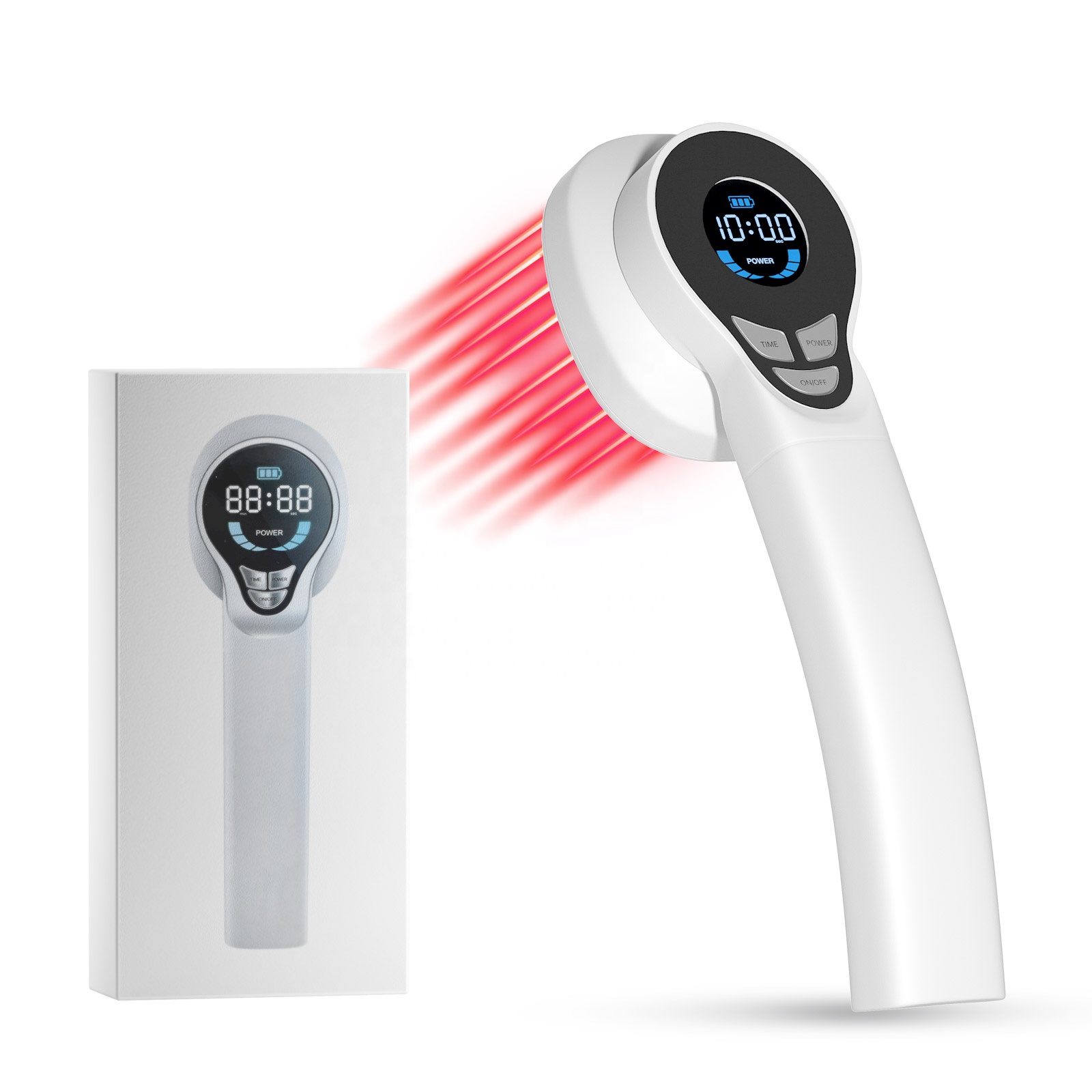
Cold laser therapy isn’t magic—it’s meticulous engineering disguised as a beam of light. Every parameter, from the wavelength that slips past skin without heating it to the precise joules delivered per square centimeter, is calibrated to coax cells into repair mode. Unlike the brute force of pharmaceuticals, these devices operate in a narrow therapeutic window where too little does nothing and too much stalls healing. It’s a balancing act that took decades to refine, blending photobiology with optical design to create tools that feel almost invisible to the patient but work profoundly beneath the surface.
The real artistry lies in how engineers tame light to reach deep tissues without collateral damage. Most cold lasers cluster around 600 to 1000 nanometers—a sweet spot where photons penetrate far enough to hit inflamed joints or torn ligaments, yet get absorbed by cytochrome c oxidase inside mitochondria. That interaction nudges ATP production upward, dials down oxidative stress, and rebalances cellular signaling. But getting it right demands more than textbook physics; it requires tailoring beam profiles, pulse frequencies, and spot sizes to specific conditions. A shoulder tendinopathy needs a different light recipe than a nerve entrapment, and the best devices let clinicians paint treatment areas with near-surgical accuracy.
What often gets lost in the discussion is how this precision transforms the patient experience. There’s no sting, no downtime—just a faint warmth or nothing at all. Yet that quiet delivery hides layers of innovation: continuous versus super-pulsed modes, multi-diode arrays that sculpt the energy distribution, and real-time feedback loops that prevent overdosing. These aren’t gadgets built for compliance alone; they’re a testament to the idea that true pain relief can be engineered into a beam so carefully focused that the body reads it not as an intrusion, but as a signal to heal.
From R&D to Reality: How We Shape Therapy Outcomes
The journey from a promising molecule to a tangible treatment is messy, often unpredictable, and rarely a straight line. In our labs, early-stage research isn’t just about identifying targets—it’s about challenging assumptions before they become expensive failures. We deliberately stress-test candidate therapies in disease models that mirror the complexity of real-world patients, not idealized scenarios. This means embracing the nuance of human biology early, so we can focus resources on approaches with genuine potential to change lives.
But no amount of benchtop brilliance matters if it can’t survive the transition to clinical trials. That’s why we’ve reimagined how R&D connects to real-world application. Instead of treating early development and clinical practice as separate phases, we weave in clinical insights from day one. Feedback from physicians, patient-reported outcomes, and even historical trial data shape our protocols long before the first human dose. This constant loop between the lab and the clinic helps us refine endpoints, anticipate hurdles, and design therapies that actually fit into patients’ lives.
The real measure of success isn’t a regulatory approval—it’s a meaningful improvement in day-to-day health. By the time a therapy reaches the market, it has already been sculpted by the realities of use: practical dosing schedules, manageable side effects, and compatibility with other treatments. That’s how we turn raw scientific discovery into outcomes people can feel, not just statistics on a label. The distance from R&D to reality is where we do our best work.
Built Around Your Needs: Custom Solutions for Providers
Every provider faces a unique set of challenges, and off-the-shelf tools rarely fit perfectly. That’s why we take a different approach—starting with your workflows, your pain points, and your goals. Instead of forcing you to adapt to rigid software, we shape our solutions around how your team actually works, making the tools feel like a natural extension of your operations.
From the initial conversation, we focus on listening. Whether you’re managing complex scheduling, coordinating multidisciplinary care, or streamlining back-office tasks, we map out a solution that mirrors your processes. The result is a platform that doesn’t just check boxes but actively reduces friction, cuts down on manual work, and lets you redirect energy toward patient care.
And because needs evolve, our partnership doesn’t stop at launch. We stay close, gathering feedback and refining features to keep pace with changes in your practice. This ongoing collaboration means your system grows with you, not against you—so you’re always equipped with tools that feel genuinely built for the way you work.
Clinical Impact: Stories of Restoration and Recovery
Behind every clinical breakthrough are individuals whose lives have been quietly transformed. The path to recovery rarely follows a straight line, yet for many, the first tangible signs of restoration arrive in small, deeply personal moments: a steady heartbeat after years of irregular rhythms, the return of a voice once lost to nerve damage, or the simple ability to walk without pain. These milestones often pass unnoticed by the outside world, but they mark the kind of progress that reshapes entire futures.
One story that continues to resonate is that of a middle-aged father who, after a decade of living with unmanageable tremors, found reprieve through a precisely targeted intervention. The change didn’t happen overnight, but over weeks, he reclaimed tasks that most take for granted—writing his own name, holding a cup steady, buttoning a shirt. His children, who had never seen him perform these actions without assistance, slowly watched the man they knew emerge from behind the symptoms. It’s in these everyday victories that the true weight of clinical impact is felt, far beyond the data points on a study chart.
Recovery, however, isn’t solely about physical restoration. For some, it means regaining confidence and independence that had eroded over years of dependence on others. A retired teacher, once sidelined by chronic vertigo, described her return to gardening as “an act of defiance against what my condition took from me.” These narratives remind us that clinical progress cannot be fully measured by statistics alone; its meaning lies in the laughter of a family dinner that was once chaotic with anxiety, or the quiet satisfaction of resuming a forgotten hobby. Such stories accumulate quietly, forming a mosaic of lives renewed through accessible treatment paths—not just managed, but genuinely restored.
Seamless Integration: Support That Goes Beyond the Product
True integration means our support doesn't stop at installation. We embed ourselves into your workflow, learning the nuances of your operations so that every solution feels like it was designed for you, not just bolted on.
Our team acts as an extension of yours, anticipating needs before they become tickets. From real-time monitoring to proactive optimization, we ensure the product evolves with your business, not in spite of it.
When challenges arise, you won't find yourself lost in a generic help queue. We assign specialists who already understand your context, turning potential roadblocks into opportunities for refinement, and keeping your momentum intact.
Driving the Future of Non-Invasive Pain Management
The landscape of pain relief is shifting away from invasive procedures and toward technologies that work in harmony with the body’s own mechanisms. We’re seeing a surge in approaches that prioritize the nervous system’s role in pain perception, using targeted stimulation to recalibrate how signals are processed. This isn’t just about masking pain; it’s about retraining the brain and peripheral nerves to reduce hypersensitivity over time. By focusing on neuroplasticity, these methods offer a path to lasting relief without the risks of surgery or long-term medication use.
What sets the next generation of non-invasive treatments apart is their ability to adapt in real time. Closed-loop systems, for instance, read the body’s physiological responses and adjust stimulation parameters on the fly, ensuring comfort and efficacy for each individual. Combined with wearable form factors, these tools allow patients to manage pain throughout their daily lives, reclaiming mobility and independence. The data gathered also feeds into broader clinical insights, helping refine protocols without adding burden to the patient.
As research deepens our understanding of the biopsychosocial nature of pain, device-based therapies are becoming more personalized. Customizable frequency patterns, intensity levels, and even integration with biofeedback are shifting treatment from a standard prescription to a tailored experience. This evolution is driven by the belief that effective pain care must respect the complexity of each person’s condition—meeting them where they are and adapting as their needs change.
FAQ
It means we handle everything from initial design and engineering to final assembly and quality testing. We don’t rely on third-party components—every part of our systems is developed under one roof to guarantee consistency and performance.
The therapy uses specific light wavelengths to stimulate cellular repair and reduce inflammation. It’s a non-invasive method that targets the root causes of discomfort, helping the body heal naturally without the need for drugs or surgery.
We work closely with clinics to tailor solutions to their patient needs. Instead of simply shipping out devices, we provide ongoing training and clinical support, so practitioners feel confident integrating the technology into their treatments.
Absolutely. The versatility of our systems allows them to address everything from fresh sports injuries to long-standing arthritis pain. Treatment parameters can be adjusted to match the tissue depth and severity of the condition.
Our team offers hands-on workshops and detailed protocol guides. Many clients also appreciate the direct access to our engineers for technical questions—it’s a collaborative process long after the initial purchase.
Safety is built into the design with features like automatic shutoffs and calibrated output. We meet international medical device standards, and all units undergo rigorous testing before shipment. Additionally, treatment protocols are designed to eliminate overuse risks.
While our primary focus is professional-grade equipment for clinics, we do have portable models that practitioners can loan to patients for convenient at-home maintenance between sessions. However, initial assessment and guidance by a trained therapist are always recommended.
We’ve refined the diode arrangement to improve energy penetration and uniformity. The newest software also helps practitioners customize sessions based on patient feedback, making treatments more efficient and comfortable.
Conclusion
As a cold laser original manufacturer, we bridge advanced engineering with real-world pain management needs. Our devices are crafted with precision, transforming rigorous R&D into tangible therapy outcomes that empower providers. The art of engineering pain relief involves fine-tuning wavelengths, power densities, and treatment protocols to maximize therapeutic effect while ensuring safety. From early prototypes to patient-ready products, we navigate every stage with a focus on quality and efficacy. We don't just build equipment; we co-create customized solutions adapted to diverse clinical workflows. This means practitioners in orthopedics, sports medicine, and rehabilitation can integrate our lasers seamlessly, delivering targeted, non-invasive relief that restores function and quality of life for patients seeking alternatives to pharmaceuticals or surgery.
Beyond the product, our partnership encompasses comprehensive support, from seamless integration into your practice to ongoing education and technical assistance. Clinical stories of restoration and recovery illustrate how our cold laser systems reduce chronic pain, accelerate healing, and revive hope. Patients who once faced limited mobility now return to daily activities, reinforcing our commitment to continuous innovation. By focusing on the human impact—every regained step, every pain-free night—we shape the future of non-invasive therapy together. Our integrated support model ensures providers never feel alone: training, troubleshooting, and software updates are part of our lifelong commitment. We are dedicated to advancing pain management with proven, gentle solutions that put patient well-being first, driving a new era of accessible, effective care.
Contact Us
Contact Person: Leon Yi
Email: [email protected]
Tel/WhatsApp: +86 17363316873
Website: https://zzgt.en.alibaba.com/