

Box-Type Transformer Supplier Selection Tips for Industrial Power Systems
2026-09-09
Selecting the right box-type transformer supplier can make or break your industrial power system’s reliability—yet most procurement teams still rely on outdated checklists. From enclosure integrity under harsh environments to thermal performance and after-sales responsiveness, the wrong choice often hides in plain sight. Whether you’re planning a new installation or replacing aging assets, knowing what to ask before you commit saves months of downtime and unplanned costs. At Chang Song, we’ve seen too many projects derailed by supplier shortcuts—so this guide cuts through the noise with practical, field-tested selection criteria that go beyond the datasheet.
Start by Mapping Out Your Load Profile and Fault Current Limits
Get a real feel for your system's normal operating envelope before you think about protection settings. Pull actual load data from meters or logs—nameplate values alone can mislead you. Watch for motor inrush, intermittent loads, and seasonal peaks that push current higher than the average. A solid load profile tells you where the thermal and instantaneous pickup points should sit, and it keeps you from setting them so low that normal operations cause trips.
Then move to the fault side. Calculate the available short-circuit current at every bus you plan to protect, not just at the service entrance. Include transformer impedance, cable length, and motor contribution. You need both the maximum bolted fault current to verify equipment ratings and the minimum fault current at the far end of feeders to make sure the protection actually sees the fault. This upper and lower fault current window shapes your entire protection strategy.
Once the load profile and fault current envelope are mapped, device selection becomes straightforward. Match interrupting ratings to the highest available fault current, set pickup levels above load peaks but well below minimum fault values, and check coordination between series devices. This method eliminates guesswork and gives you a system that trips only when it should.
Look at Total Cost of Ownership, Not Just the Purchase Price
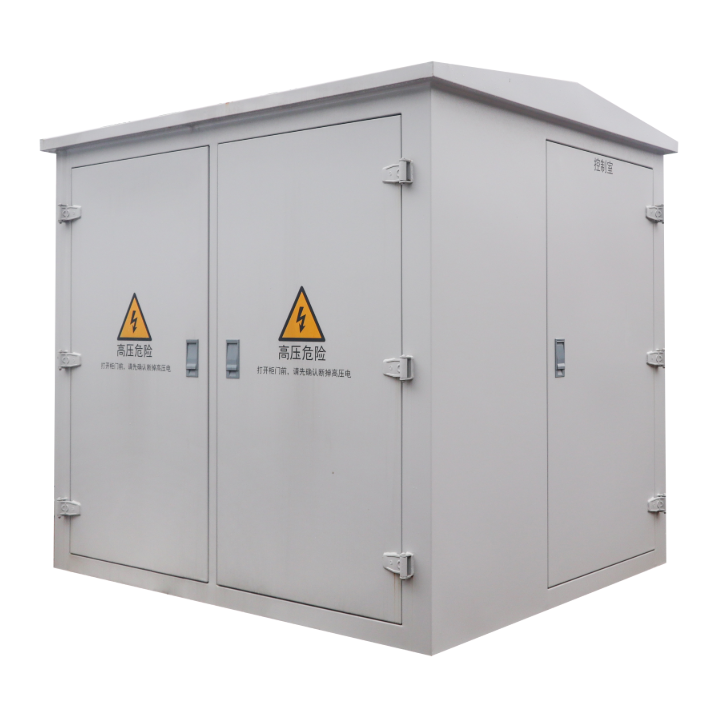
Many buyers fixate on the sticker price and stop there. That's a costly habit. A printer might be cheap, but if each ink cartridge costs almost as much as the device and needs replacing every month, the 'bargain' evaporates quickly.
Total cost of ownership forces you to add up everything: energy use, maintenance, software subscriptions, training time, downtime, and eventual disposal. A slightly pricier option with better durability and lower running costs often beats a cheap model within the first year.
Before committing, sketch out a realistic usage scenario. For equipment, estimate how many hours it will run, what consumables it needs, and how much support you'll rely on. For software, look beyond the license fee—implementation, customization, and employee adaptation all carry hidden price tags.
Ask How the Enclosure Handles Heat, Moisture, and Corrosive Air
When evaluating an enclosure, don't settle for a vague “weatherproof” rating. Ask what internal temperature rise the design tolerates at peak solar load, and whether the ventilation or cooling strategy actually prevents condensation rather than just moving air around. A cabinet that bakes in direct sun can degrade seals and shorten component life even if it keeps rain out.
Moisture is rarely a single threat. In coastal or washdown settings, humidity condenses on cold surfaces at night, then mixes with salt or chemical residue to accelerate corrosion. Request details on gasket materials, drainage paths, and any pressure-equalization vents. If the manufacturer can't explain how the enclosure manages dew point swings or how water escapes from the base, that's a warning sign.
For corrosive air—think hydrogen sulfide near wastewater, chlorine in pool equipment rooms, or sulfur compounds in industrial zones—standard powder coating won't hold up. Push for specifics on substrate preparation, coating thickness, and whether stainless steel or fiberglass is recommended for your exposure level. An honest vendor will ask about your chemical environment before quoting a price.
Request Test Reports from Real Factory Acceptance Tests
Don’t settle for marketing cut sheets that repeat the same vague performance claims. Ask the vendor for factory acceptance test (FAT) reports from machines they have actually shipped in the past twelve months, not from a lab prototype or a friend’s facility. Real reports carry serial numbers, test dates, and the names of the engineers who signed off. If a supplier hesitates or offers only a blank template, treat that as a warning sign about how confident they are in their own production consistency.
A useful FAT report should show raw measurement data, not just pass/fail checkboxes. Look for torque curves, leak rates, vibration readings, cycle times, or whatever parameters matter for your application. Ask for the last three reports from comparable equipment, even if you have to agree to keep customer names confidential. Compare those numbers against the quoted specs and note any deviations that were recorded during testing. Suppliers that document minor hiccups and their corrections are often more trustworthy than ones with suspiciously perfect reports.
Finally, request the report before placing the order, and make it part of your purchase agreement. Let the vendor know you may verify the data with a follow-up call to the test engineer or a site reference. This small step filters out companies that inflate specs on paper but cannot prove repeatable results under real factory conditions.
Check Whether the Supplier Can Support Future Capacity Expansion
Scaling operations over time often reveals hidden constraints that were not apparent during initial engagement. A supplier’s willingness to expand capacity is not just about adding more machines or hiring extra staff; it involves examining their production line flexibility, lead time resilience, and access to raw materials during peak demand. When evaluating this aspect, look for evidence of past capacity increases and how smoothly those transitions occurred. Suppliers who proactively share their expansion roadmap or have dedicated contingency plans demonstrate a forward-thinking mindset that can protect your business from sudden bottlenecks.
Beyond the physical infrastructure, consider the supplier’s financial stability and investment appetite. Capacity expansion typically requires capital expenditure, and a supplier under margin pressure may delay or resist necessary upgrades. Ask direct questions about their recent investments in equipment, automation, or workforce training. A partner who routinely reinvests in their operations is more likely to accommodate your future growth without compromising on quality or delivery timelines.
Finally, evaluate how the supplier handles fluctuating order volumes today. A supplier that struggles with moderate demand spikes will likely collapse under significant future growth. Request data on their current utilization rate and their process for managing rush orders. A robust supplier will have clear escalation protocols, cross-trained teams, and the ability to temporarily outsource non-core tasks. This operational elasticity is the real indicator of whether they can walk alongside you as your business expands.
Review After-Sales Response Times and Spare Parts Stock Levels
A closer look at how quickly service teams pick up a reported issue often reveals gaps that standard performance dashboards miss. In many equipment-heavy industries, the first meaningful reply can arrive within hours, yet actual resolution depends on whether the right technician is available and whether the fault is diagnosed correctly on the first visit. Tracking only the initial acknowledgement creates a false sense of readiness; it is the time from first contact to confirmed repair that shapes customer trust.
Spare parts stock levels tell a similar story. Holding too much inventory ties up cash and warehouse space, while holding too little turns a simple fix into a week-long wait. The most useful reviews compare part consumption patterns with failure histories, not just with past sales. A critical seal or sensor may be inexpensive but, if absent, can stop an entire line. Matching safety stock to real demand patterns and supplier lead times, rather than relying on fixed reorder points, keeps response promises honest.
Regular joint reviews between service managers and supply planners help both sides see the same picture. When response-time targets are set without input from inventory control, frontline teams often promise more than the warehouse can support. Conversely, when stock levels are adjusted only by cost, urgent repairs suffer. A short monthly review of actual response times alongside part availability creates a feedback loop that gradually removes the guesswork from after-sales support.
FAQ
Look beyond the datasheet. Verify that the supplier has built units for similar load profiles and harsh environments. Ask for reference installations at plants with comparable power quality issues, not just standard commercial projects.
Request temperature-rise test reports at the specific enclosure ventilation conditions you will use. A unit that passes open-air tests may overheat inside a compact outdoor enclosure, so insist on factory tests that mimic the intended installation.
The enclosure is not just a metal box. Check weld quality, gasket sealing, and door interlock reliability. For dusty or corrosive sites, ask for ingress protection ratings and paint thickness, and confirm the supplier can pre-install cable entry plates matching your conduit layout.
Industrial networks often have high fault currents. Ask the supplier to provide calculated or tested short-circuit withstand values for the low-voltage side, not just a generic standard reference. A supplier who hesitates to share these calculations may be hiding undersized busbars or weak bracing.
Check if they stock critical spares like HV fuses, tap changer parts, and gaskets regionally. Ask about their average on-site response time for warranty issues and whether they offer commissioning supervision. A low upfront price means little if a failed gasket leaves you waiting for months.
Poorly documented terminals force electricians to open panels and re-cable, adding labor. Some suppliers charge extra for lifting lugs, oil drain valves, or cooling fan brackets. Request a full bill of materials with all mechanical accessories listed before comparing quotes.
Yes. Noise limits in plant areas are often set by occupational health regulations. Ask for guaranteed sound power levels at rated load, and verify the supplier measures them with the cooling fans running. A transformer that meets electrical specs may still require expensive acoustic barriers later.
Many industrial systems use 480V, 600V, or 690V secondaries with unusual taps. A supplier who only stocks 400V designs may force you to accept a poor impedance match. Confirm they can wind custom ratios with the exact vector group and short-circuit impedance your protection study requires.
Conclusion
Choosing a box-type transformer supplier for an industrial power system starts well before you compare datasheets. Begin by pinning down your actual load profile and available fault current limits—without that baseline, even a well-built unit can end up mismatched to the site's real electrical stresses. Then shift attention to total cost of ownership. The sticker price rarely tells you much; efficiency losses, cooling penalties, maintenance intervals, and expected service life often matter far more over a decade of operation. It's also worth asking hard questions about the enclosure. Heat, humidity, and corrosive air are not abstract concerns in many plants, and the difference between a powder-coated steel box and a properly sealed, ventilated design shows up only after months of exposure.
Don't accept a supplier's word on performance alone—ask for test reports from genuine factory acceptance tests, including temperature rise, short-circuit withstand, and dielectric checks, not just a generic compliance sheet. Equally important is whether the supplier can support future capacity expansion. A transformer sized precisely for today's load may become a bottleneck if the supplier cannot offer paralleling options, tap changers, or a larger frame in the same footprint. Finally, look closely at after-sales commitments. Response times measured in days, regional spare parts depots, and stocked fuses, bushings, and protection relays can keep a minor fault from turning into a plant-wide shutdown. A supplier with strong factory support and local inventory is usually worth more than a marginal price saving.
Contact Us
Contact Person: Tonglun Chen
Email: [email protected]
Tel/WhatsApp: 8618906642555
Website: https://www.cncsele.com