

Best Tactile Switches Supplier: Top Picks for a Satisfying Typing Experience
2026-06-28
The subtle click, the gentle bump—tactile switches define how a keyboard feels under your fingers. Whether you're coding for hours or crafting prose, the right switch can turn tedious typing into a rhythm worth enjoying. Yet, with so many options on the market, finding a dependable supplier is half the battle. That's where names like KEJIAN ELECTRONICS come into play, blending precision engineering with real-world user priorities. Ahead, we've rounded up top picks that promise a satisfying typing journey, each with a distinct character. Let's dive in and discover which one deserves a spot in your setup.
What Makes a Tactile Switch Truly Satisfying?
A truly satisfying tactile switch isn’t just about a bump you can feel—it’s about how that bump communicates with your fingertips. The magic lies in the precise moment of actuation: a clean, crisp tactile event that occurs exactly when the switch registers a keypress. When the stem passes over the tactile leaf, the resistance peaks and then collapses in a smooth, rounded drop. That sharp yet not jarring transition creates a feeling of certainty and control. It’s the difference between typing on a keyboard that feels alive under your hands versus one that feels mushy and vague.
Sound plays an equally critical role, often overlooked in the pursuit of tactility alone. The acoustics of the switch—the pitch, tone, and duration of the bump’s sound—shape the perception of satisfaction. A deeper, thockier bottom-out paired with a quiet but present tactile event can make each press feel substantial and deliberate. Materials matter here: a polycarbonate housing yields a brighter, sharper sound, while nylon absorbs higher frequencies for a deeper resonance. The ideal tactile switch balances sound and feel so they complement rather than fight each other, turning typing into a rhythmic, almost musical experience.
Finally, subtle details like spring weight and stem polish elevate a good tactile switch to a great one. A slightly heavier spring or a progressive force curve can make the bump feel more pronounced without introducing fatigue. Lubrication applied sparingly to the legs—not so much that the bump is smoothed away—enhances smoothness while preserving that essential tactile edge. Even the housing alignment and factory tolerances contribute to a consistent, wobble-free travel. When all these elements align, the switch doesn’t just work; it delights in a way that’s difficult to articulate but immediately felt.
Hallmarks of a Reliable Switch Supplier
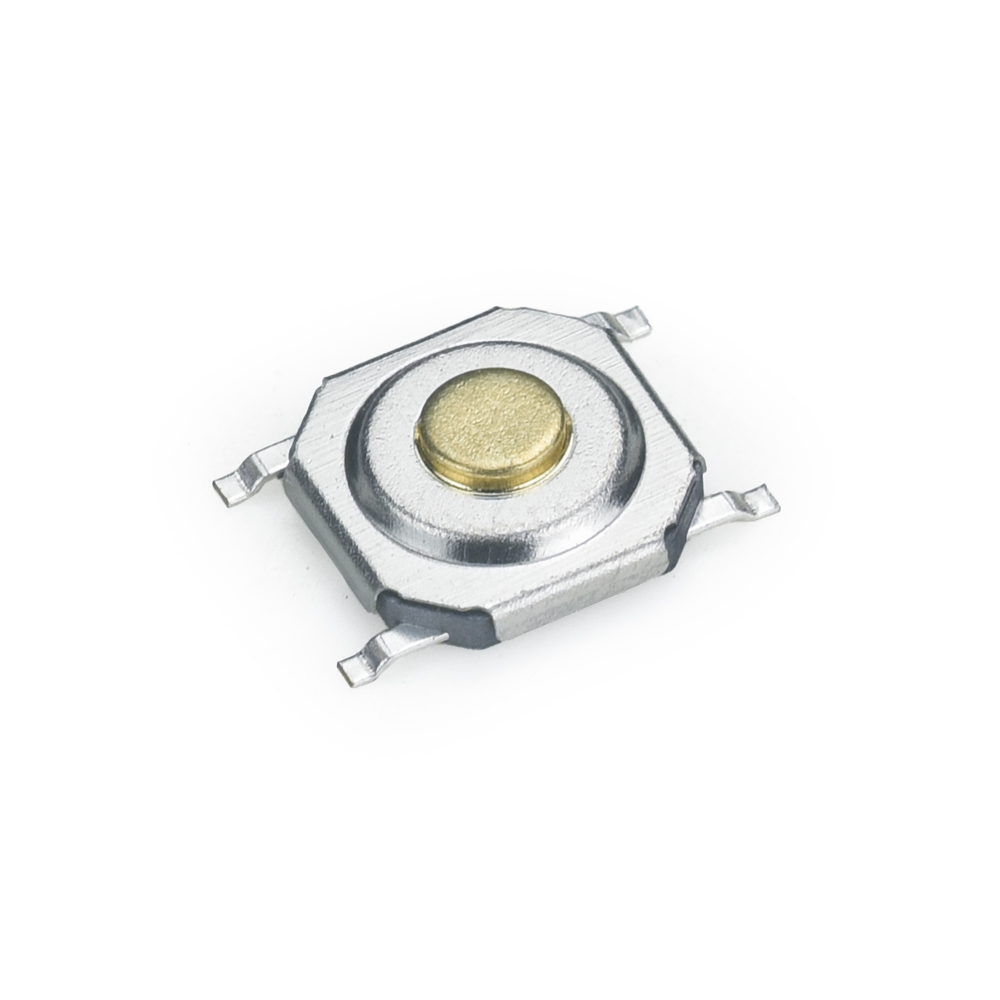
A supplier worth their salt doesn't just ship switches—they back them up with rigorous testing and a willingness to adapt when required. You'll know you're dealing with a genuine partner when they discuss integration challenges openly, rather than just pushing a spec sheet. It’s the ongoing dialogue that separates a transactional vendor from someone who actually cares about your project's long-term health.
Beyond product reliability, look for a supplier that keeps buffer stock for your critical components and communicates promptly if lead times shift. Their documentation—like step-by-step integration guides and straightforward failure analysis reports—should be something you actually want to read. A reliable supplier also invests in their own manufacturing processes, continuously refining them to catch defects before they ever leave the floor.
Under-the-Radar Brands Worth Your Attention
Some of the most exciting things in fashion, home goods, and tech aren't coming from the names you hear every day. Small, independently spirited brands are carving out niches with obsessive attention to detail, transparent sourcing, and a refusal to compromise on aesthetics. They don't have giant marketing budgets, so you won't stumble upon them in a glossy ad—but once you find them, they tend to stick.
Take the Tokyo-based leather studio that still hand-stitches wallets like it's 1923, or the Oregon ceramics workshop where every mug is thrown on a wheel and glazed in colors inspired by coastal fog. These aren't mass-produced novelties; they're objects with a story, often shipped in packaging so thoughtful you'll keep it. The joy is in the discovery, and in knowing you're supporting a real person's craft.
What unites them isn't a particular trend but an ethos: longevity over disposability, quiet confidence over logo worship. Whether it's a French skincare line using only five ingredients from a family farm or a Colombian sneaker startup turning recycled fishing nets into ridiculously comfortable shoes, these brands prove that great design doesn't need to shout. Pay a little attention, and you might find your next favorite thing hiding in plain sight.
Balancing Act: Tactility Without the Fatigue
A surface that invites touch yet refuses to tire the hand is something of a quiet miracle. The secret often lies in the micro-contours—subtle undulations that spread pressure so evenly you almost forget you’re holding anything at all. It’s not about softness in the squishy sense; it’s about a calculated give, a material intelligence that works with your grip instead of pushing back against it.
Think of a well-worn pebble from a riverbed, its shape the result of patient erosion. There’s no fatigue from holding it because every part of its surface is a negotiation between your palm and the stone’s own history. Good tactility borrows from this natural logic, creating a conversation rather than a conflict. The friction is just right—enough to secure, never enough to strain.
The materials that pull this off often escape easy categorization. A composite might layer a dense, supportive core with an outer skin that feels almost organic to the touch. The result is something that communicates stability without bulk, warmth without weight. It’s the kind of object you find yourself picking up again and again, not because you need to, but because the act of handling it is its own small reward.
The Silent Revolution: Tactile Switches Go Stealth
Mechanical keyboard enthusiasts have long cherished the distinct feedback of tactile switches—that reassuring bump that confirms every keystroke. But the accompanying click or clack? Not always welcome, especially in shared spaces. Enter a new wave of switches that deliver that same bump without the noise. It’s not just about adding dampeners; it’s a complete rethinking of switch mechanics, where silicone, foam, and clever stem design muffle the sound while keeping the feel intact.
This shift hasn’t happened overnight. Early attempts at silence often left switches feeling mushy or undefined, a compromise most typists refused to make. Now, manufacturers have refined the balance. Take, for instance, switches like the Gazzew Boba U4 or Zilent V2—they’re nearly whisper-quiet yet offer a crisp, rounded tactility that rivals their clicky counterparts. The magic lies in the materials and tolerances, which absorb the impact without dulling the sensation.
For many, this quiet evolution means finally being able to use a mechanical keyboard anywhere—open-plan offices, libraries, or late-night sessions without disturbing anyone. It’s a silent revolution indeed: tactile switches have ditched the clatter while holding onto their soul, proving that stealth doesn’t have to mean sacrifice.
Future-Proofing Your Typing Experience
Typing tools can quickly become outdated as operating systems evolve and communication habits shift. The real trick is choosing something that adapts alongside you, not a static layout that works for today but feels clunky tomorrow. Look for designs that emphasize custom layers, variable key mappings, and updatable firmware—these allow you to tweak your setup without buying new hardware every time there's a software update or you switch devices.
Another angle is to focus on build quality and understated modularity. A well-constructed keyboard with hot-swappable switches and open-source programming options means you're not locked into a single feel or function. You can experiment with different switch types as your preferences change, or remap keys to fit niche workflows years down the line. It’s the kind of flexibility that keeps the experience fresh without forcing a complete overhaul.
FAQ
A great supplier offers consistent quality, responsive customer support, and a diverse lineup of switches that cater to different preferences, from light and crisp bumps to heavier, more pronounced feedback.
If you enjoy feeling a noticeable bump when a key actuates without the loud click of a clicky switch, tactile switches strike the perfect balance. Many typists find them less fatiguing over long sessions while still providing satisfying feedback.
It depends on your priorities. Premium switches often use higher-grade materials, tighter tolerances, and smoother factory lubing, which can transform the typing feel. If you type for hours daily, the upgrade is usually noticeable and worthwhile.
Look for switches with dampeners or those specifically designed as 'silent tactile,' such as Zilents or U4 Bobas. Pairing them with a well-built keyboard and desk mat further reduces noise, keeping your colleagues happy.
Light tactiles have a subtle bump and low spring weight, ideal for fast typists who want minimal resistance. Heavy tactiles offer a pronounced, large bump and higher weight, popular among users who want a deliberate, almost typewriter-like feel.
Absolutely. Many enthusiasts use lighter switches for modifiers or frequently pressed keys and heavier ones for alphas. It’s a fun way to customize the feel, though it requires a hot-swap board or soldering skills.
Read community reviews on forums and social media, check if they provide detailed specifications and sound tests, and see how they handle returns or defects. A supplier that actively engages with the mechanical keyboard community is often a safer bet.
Conclusion
A truly satisfying tactile switch isn't just about the bump—it's the harmony of a crisp, rounded feedback that registers each keystroke without jarring your fingers, paired with a sound signature that's more whisper than clack. The best suppliers obsess over this balance, refining stem geometry and leaf tension until the actuation feels almost intuitive. But beyond the specs, reliability matters: consistent factory lubing, tight housing tolerances, and materials that won't degrade after a few months of heavy use. Some of the most compelling options now come from under-the-radar brands that prioritize enthusiast-grade polish over mass-market appeal, offering hand-assembled batches with unique spring weights and exotic materials that larger names rarely touch.
The real art, though, lies in marrying tactility with endurance—switches that deliver a pronounced bump without turning a long typing session into a finger workout. This is where progressive springs and dampened stems shine, softening bottom-out impact while keeping that satisfying feedback loop intact. Meanwhile, the silent revolution has transformed expectations: pre-lubed dampeners and innovative housing designs now hush the upstroke and downstroke so effectively that open-office keyboards can finally match the feel of their clackier cousins. Looking ahead, hot-swap sockets and modular switch designs let you experiment without soldering, while new contactless magnetic or optical actuation hints at a future where your typing experience evolves as your preferences do—ensuring your investment today won't feel obsolete tomorrow.
Contact Us
Contact Person: Anna lin
Email: [email protected]
Tel/WhatsApp: +86 13567768885
Website: https://www.kjele.com/